Custom Color Matching for Aerospace
Precision Cerakote ceramic coatings for aerospace, defense, and industrial components.
Why Aerospace Needs Precision Color Matching
Where color variance costs $50,000 per aircraft
The challenge
Harsh environments demand coatings that hold.
The solution
ColoradoKote ceramic coating stops corrosion cold.
Why ColoradoKote Color Matching for Aerospace
Delta E ≤1 proven across 90,000 parts

Delta E ≤1 verified by spectrophotometer
Every production lot is measured in L*a*b* color space before parts are coated. ColoradoKote does not rely on visual comparison under inconsistent lighting. The spectrophotometer provides objective, repeatable measurement against the master color standard. This eliminates the subjective judgment that allows Delta E drift above 1.0 and into rejection territory.
90,000-part program with zero color rejections
A commercial aircraft cabin interior program required consistent color across 90,000 parts and 10 aircraft over three years. ColoradoKote delivered every batch within Delta E ≤1 with zero rejections. On similar programs, anodizing alternatives produced 8-12% rejection rates, costing $50,000 to $200,000 per aircraft in rework. This program eliminated those costs entirely.
Formula lock for program duration
Custom Cerakote formulas are developed through iterative refinement, typically two to four cycles, and locked once they achieve Delta E ≤1 against the master standard. Environmental controls in the spray booth hold temperature within 5 F and humidity within 10%, ensuring consistent color development through cure. When replacement parts are ordered in year five, they match year one production.
Federal Standard 595 and 200+ color options
ColoradoKote matches to Federal Standard 595 at Delta E ≤2 for military and government aerospace programs. The standard Cerakote catalog offers 200+ colors, and custom development reaches Delta E ≤1 within 2-3 weeks. UV stability holds Delta E below 2 after 2,000 hours of accelerated weathering per ASTM G154, protecting color integrity throughout aircraft service life. Sample retention at 10-year archive supports multi-year program continuity.
Color Matching Specs for Aerospace Programs
How We Match Color for Aerospace Parts
AS9100 documented from color standard capture through multi-year program support
Color Standard Capture and Formula Development
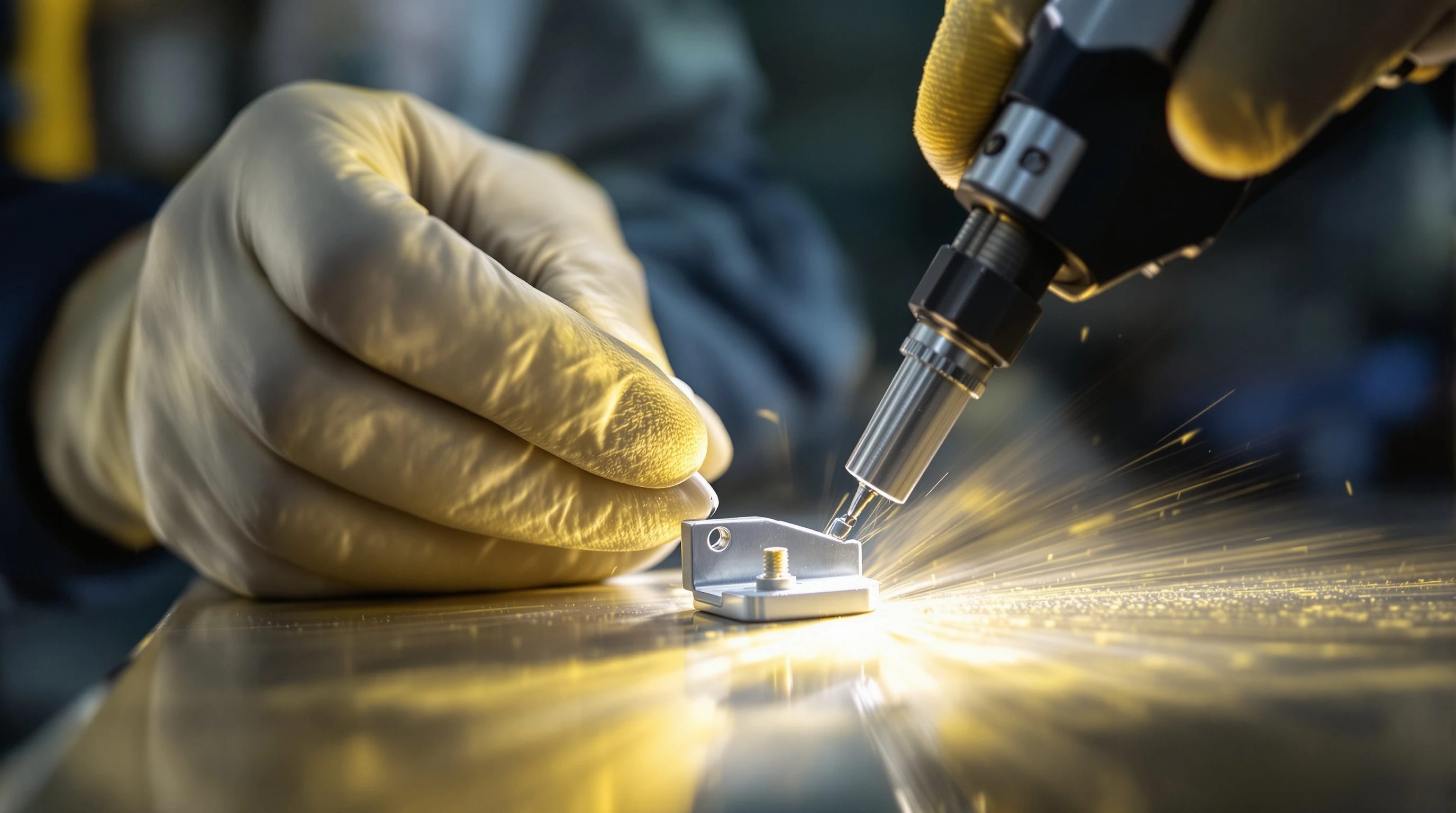
Your color standard, whether a physical sample, Pantone number, RAL value, or Federal Standard 595 chip, is measured with a spectrophotometer to capture L*a*b* values under D65 standardized lighting. A custom Cerakote formula is developed through iterative refinement, typically two to four cycles, until it achieves Delta E ≤1 against the master standard. The formula is locked and documented for the full program duration. The master standard is photographed, archived in climate-controlled storage, and linked to your part number and coating specification.
Batch Validation and Production Coating
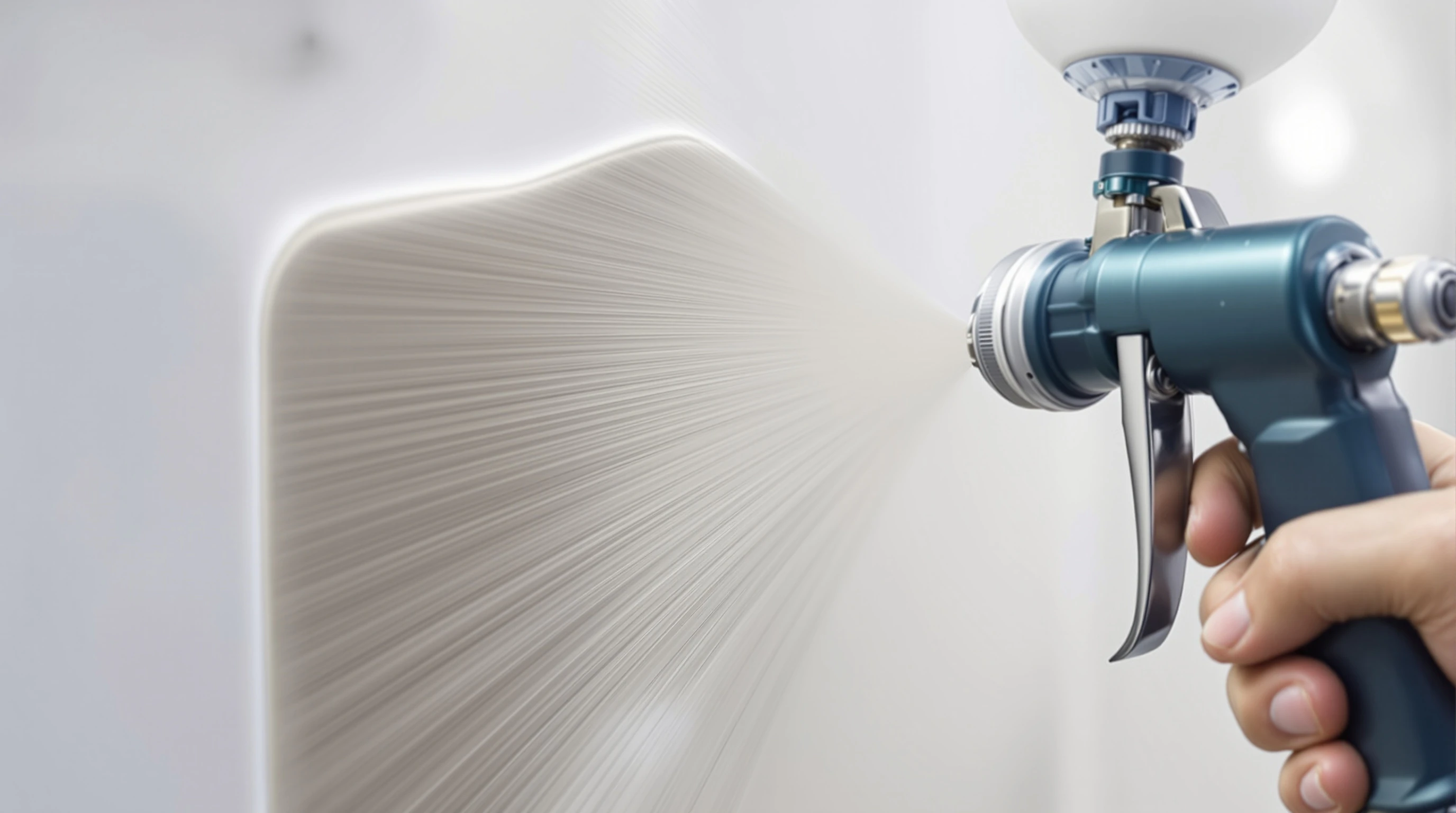
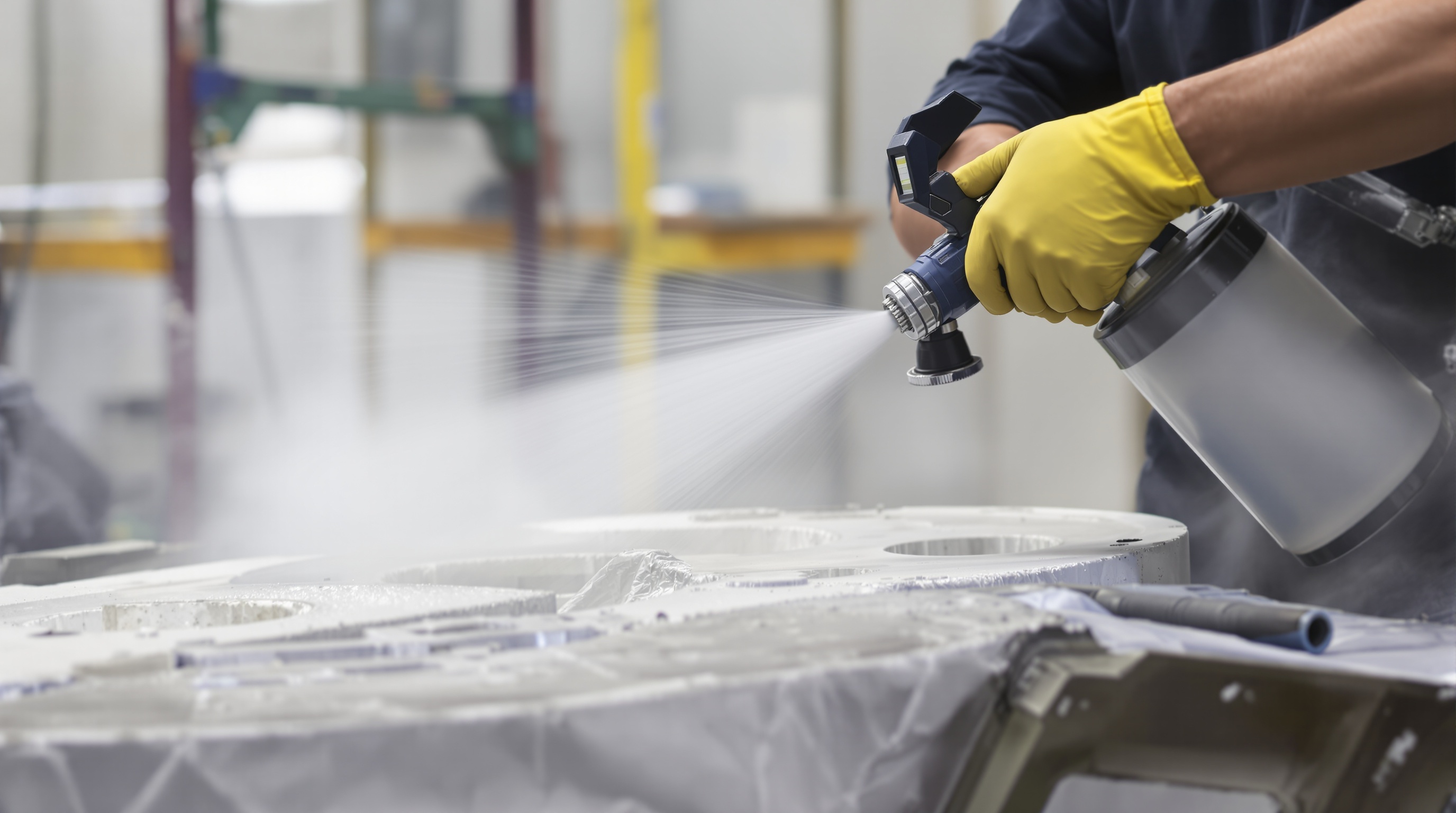
Before any production parts enter the spray booth, a test panel is coated and cured using production parameters, then measured against the master standard by spectrophotometer. If Delta E exceeds 1.0, the formula is micro-adjusted and re-tested. No production parts are coated until the batch achieves Delta E ≤1. Cerakote is applied in climate-controlled spray booth held within 5 F of target temperature and 10% of target humidity. Each coating batch is tracked by lot number, date, and applicator.

Verification, Documentation, and Retention
The first coated part from every production lot is measured by spectrophotometer against the master standard. Delta E is recorded in the AS9100 quality system. Parts are inspected under a D65 lighting booth that simulates natural daylight. Your Certificate of Conformance includes L*a*b* color data alongside thickness, adhesion, and visual inspection results. One coated part from each lot is archived in climate-controlled storage with a 10-year retention period for program continuity.

Proven Color Consistency for Aerospace
Color consistency is verified through objective spectrophotometric measurement in L*a*b* color space, not visual assessment under variable lighting conditions. Every production lot is measured under AS9100 controls, and results are documented on your Certificate of Conformance with full lot traceability.
Delta E ≤1 across 90,000 parts
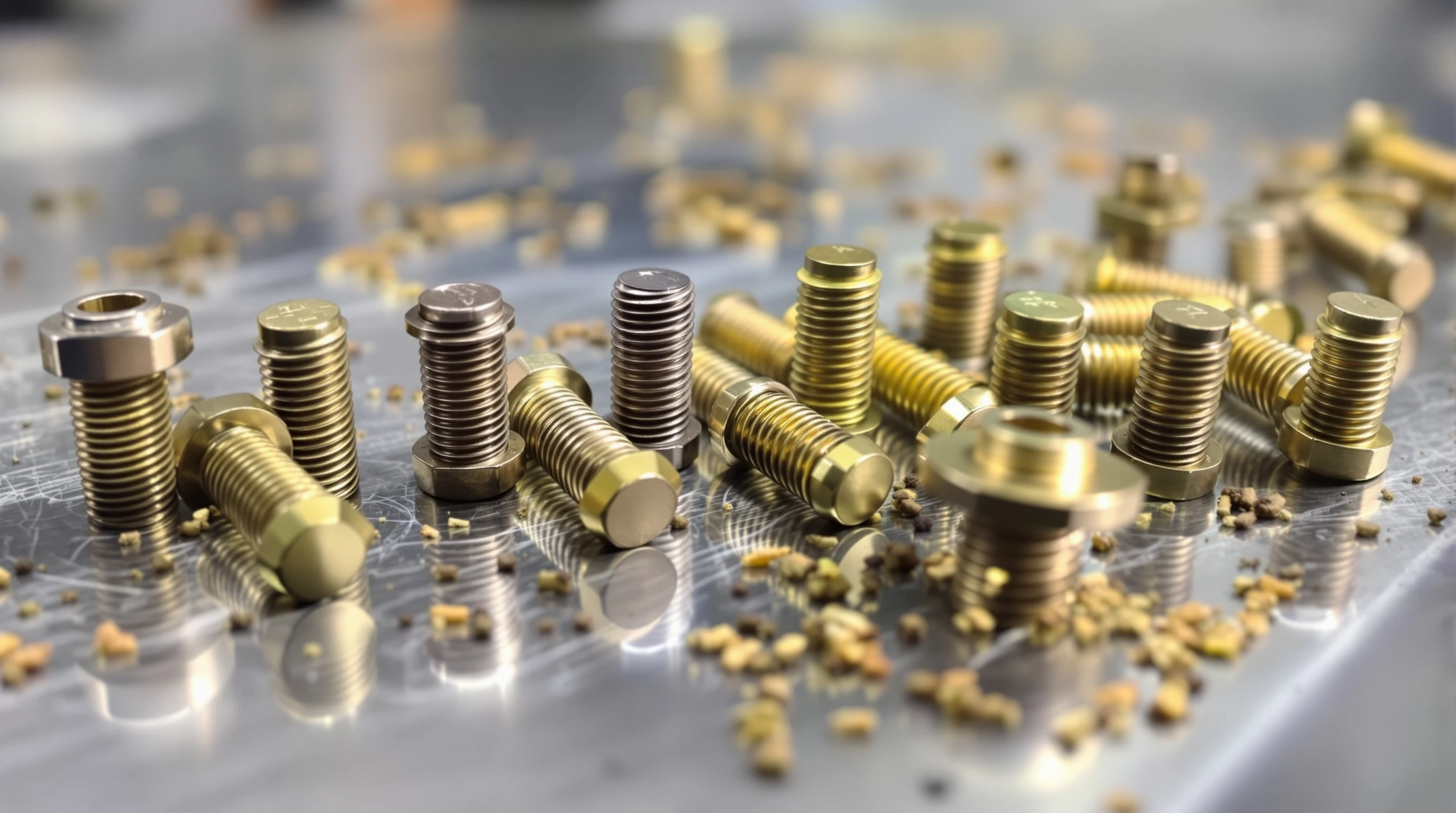
Over three years and 10 aircraft, ColoradoKote maintained Delta E ≤1 on every production lot of a commercial aircraft cabin interior program. Zero color rejections. Zero quality holds. On similar programs using anodizing, suppliers reported 8-12% rejection rates and Delta E exceeding 5. The rework costs of $50,000 to $200,000 per aircraft from anodizing color variance were eliminated entirely through spectrophotometric Cerakote matching.
Color consistency (90,000-part proof)
Other services to consider
Explore what else we offer.

Weight Reduction for Oil and Gas Equipment
Thick coatings add mass to equipment transported to remote wellsites and offshore platforms. Cerakote at 0.5-2 mils saves 200-400g per part versus powder coating. ISO 9001 certified.

Weight Reduction for Medical Device Components
Surgical instruments must be light enough for hours of precise use. Cerakote at 0.5-2 mils saves 200-400g per part versus powder coating without compromising protection. ISO 9001 certified.

Weight Reduction for Maritime Equipment
Heavy coatings add mass to marine hardware that affects vessel performance and handling. Cerakote at 0.5-2 mils saves 200-400g per part versus powder coating. ISO 9001 certified.
Weight Reduction for Industrial OEM Components
Thick coatings add unnecessary mass to engineered equipment. Cerakote at 0.5-2 mils delivers 200-400g savings per part versus powder coating while preserving tolerances. ISO 9001 certified.
Certified and compliant for your industry
Start Your Color Matching Program
Submit your color standard for evaluation. We respond within 24 hours with approach and pricing.
Frequently Asked Questions
Find answers about our coating processes and technical capabilities
Yes. Aluminum marine components receive chemical conversion coating per MIL-DTL-5541 followed by Cerakote ceramic topcoat for comprehensive corrosion protection. This combined stack addresses galvanic corrosion concerns and provides the salt spray resistance marine hardware demands. We process both individual replacement parts and production batches for marine equipment manufacturers.
Yes. ColoradoKote specializes in additive manufacturing post-processing for SLS nylon, MJF polymer, and metal AM parts including DMLS stainless steel and titanium. Our surface preparation protocols address the inherent roughness of AM parts, transforming layer lines and powder texture into smooth, production-grade finishes. We work with prototyping houses and production AM facilities across aerospace, medical, and industrial sectors.
Cerakote delivers 9H pencil hardness and 4,000 cycles per mil abrasion resistance, significantly outperforming conventional epoxy and urethane coatings on high-wear surfaces. Impact resistance of 160/160 inch-pounds means the coating withstands mechanical shock without chipping or delamination. At 0.5 to 2 mils film build, Cerakote protects wear surfaces while preserving the tight clearances industrial equipment demands.
Yes. Cerakote delivers 3,000 hours salt spray resistance (ASTM B117) at 0.5-2 mils, while powder coating achieves only 500-1,500 hours at 4-6 mils. This means you get superior corrosion protection at a fraction of the coating weight. For applications where every gram matters, such as aerospace structures, UAVs, and performance vehicles, Cerakote provides the protection of a heavy coating system in a lightweight package.
Industrial components subject to abrasion, impact, and chemical exposure receive aggressive SSPC-SP 10 blast preparation at 80-100 PSI. The 2-4 mil anchor profile ensures Cerakote bonds with maximum adhesion on pump housings, valve bodies, hydraulic cylinders, and wear surfaces. For components returning for recoating, we strip the existing finish and re-blast to achieve a fresh bonding surface. Proper preparation on industrial parts directly extends service intervals.