
Corrosion Resistance for Aerospace
Precision Cerakote ceramic coatings for aerospace, defense, and industrial components.
Corrosion Destroys Aerospace Components
Salt fog, fluids, and galvanic attack are constant threats
The challenge
Harsh environments demand coatings that hold.
The solution
ColoradoKote ceramic coating stops corrosion cold.
Why Cerakote for Aerospace Corrosion Protection
Molecular-level barrier across all aerospace substrates

4,000+ Hours Salt Spray Resistance
ASTM B117 verified. 4x to 10x the protection of anodizing. Molecular-level ceramic barrier blocks moisture, chemicals, and ionic attack on flight-critical hardware.
Multi-Substrate Protection
Single coating system protects aluminum, steel, titanium, and composites. Eliminates galvanic corrosion risk at dissimilar metal interfaces in mixed-material aerospace assemblies.
Chemical & Fluid Resistance
Resists hydraulic fluids (Skydrol), de-icing agents, cleaning solvents, and fuel exposure. Maintains barrier integrity through the chemical environments aerospace components encounter daily.
Thin-Film Precision at 0.5-2 Mils
Maintains critical tolerances on precision aerospace hardware. No dimensional rework after coating. Lighter than powder coating alternatives by 60-80%.
Corrosion Resistance Specifications

How We Deliver Aerospace Corrosion Protection
AS9100 controlled from surface preparation through final verification
Substrate Analysis & Preparation
Alloy identification determines optimal preparation protocol. Controlled media blasting creates ideal adhesion profile. Ultrasonic cleaning removes contaminants. Critical surfaces masked per engineering requirements.

Ceramic Coating Application
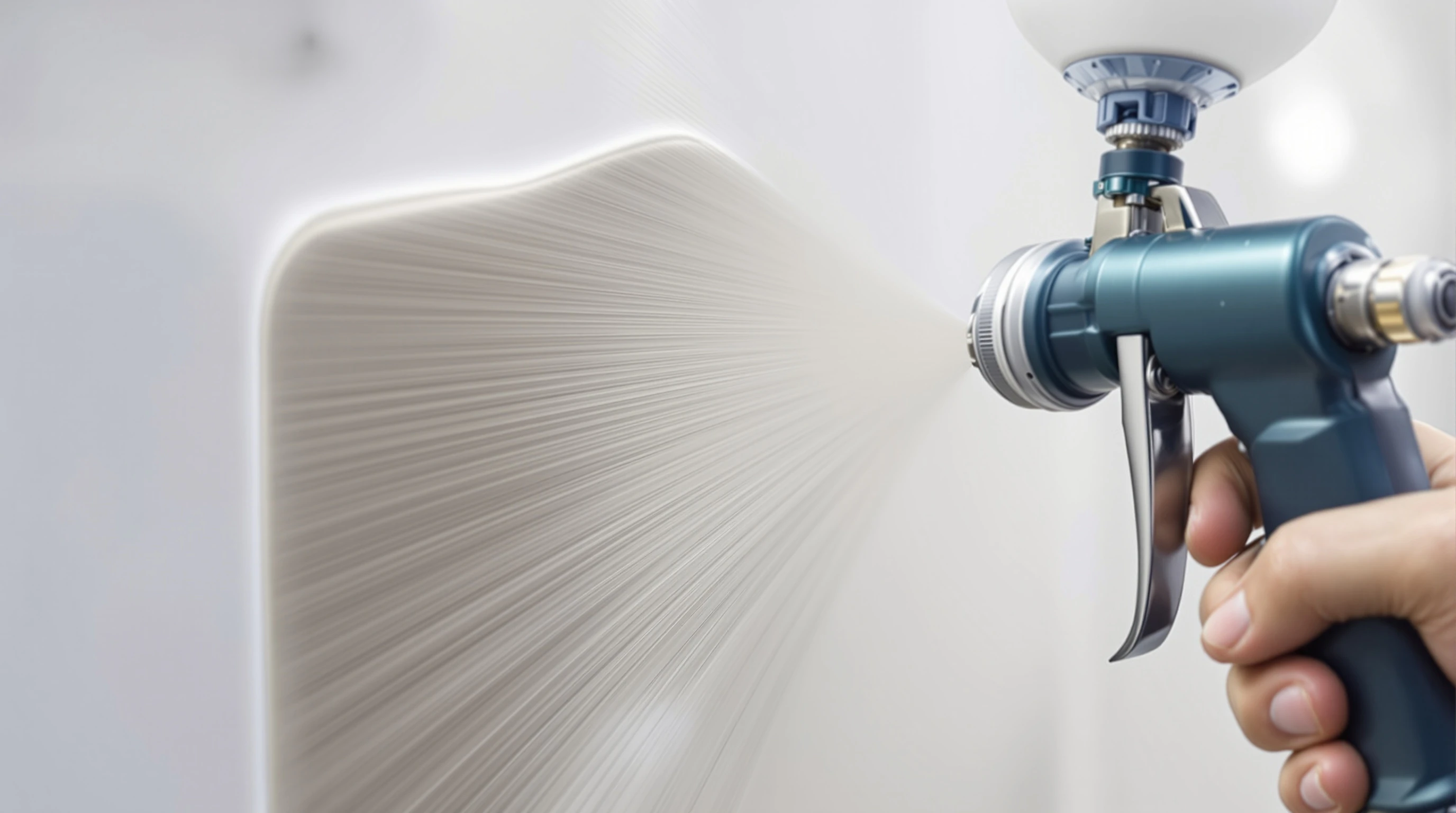
Cerakote applied in controlled layers at specified thickness. Full coverage verified on complex aerospace geometries. DFT measurements confirm 0.5-2 mil specification on each component.
Cure, Test & Document
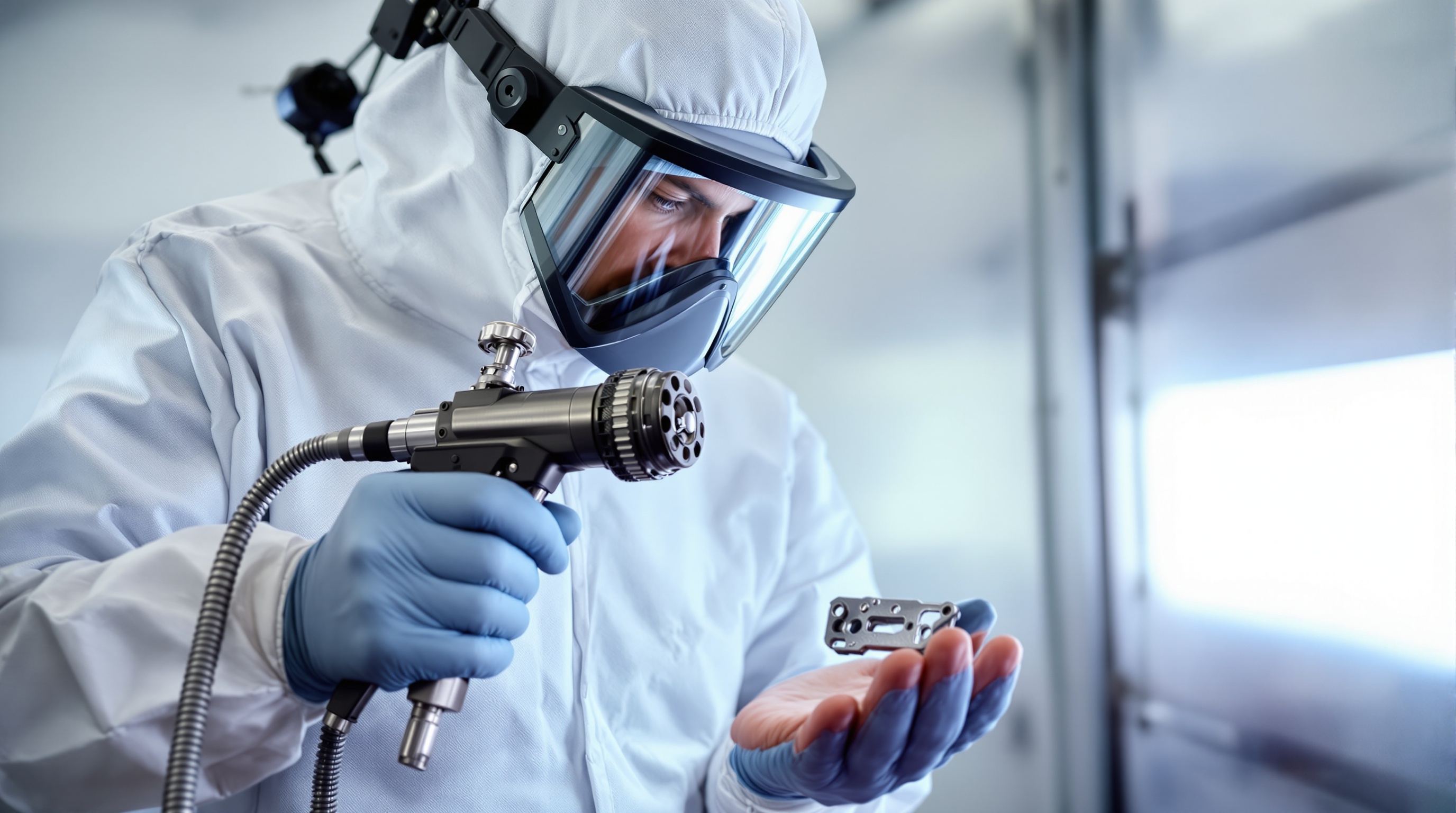
Temperature-controlled cure cycle. Post-cure adhesion testing (cross-hatch per ASTM D3359). Thickness verification. Certificate of Conformance with material traceability, test data, and lot documentation.

Verified Corrosion Performance Data
All corrosion claims verified through independent ASTM B117 salt spray testing, not manufacturer assertions. Test data documented under AS9100 process controls.
Real-world protection
Cerakote-coated aerospace components maintain barrier integrity through salt fog, fluid exposure, and thermal cycling that destroys anodized and painted finishes in a fraction of the time.
Hours salt spray resistance
Pencil hardness rating

Other services to consider
Explore what else we offer.

Weight Reduction for Oil and Gas Equipment
Thick coatings add mass to equipment transported to remote wellsites and offshore platforms. Cerakote at 0.5-2 mils saves 200-400g per part versus powder coating. ISO 9001 certified.

Weight Reduction for Medical Device Components
Surgical instruments must be light enough for hours of precise use. Cerakote at 0.5-2 mils saves 200-400g per part versus powder coating without compromising protection. ISO 9001 certified.

Weight Reduction for Maritime Equipment
Heavy coatings add mass to marine hardware that affects vessel performance and handling. Cerakote at 0.5-2 mils saves 200-400g per part versus powder coating. ISO 9001 certified.
Weight Reduction for Industrial OEM Components
Thick coatings add unnecessary mass to engineered equipment. Cerakote at 0.5-2 mils delivers 200-400g savings per part versus powder coating while preserving tolerances. ISO 9001 certified.
Certified and compliant for your industry

Protect Your Aerospace Components
Send your part details and corrosion requirements. We respond within 24 hours with approach and pricing.
Frequently Asked Questions
Find answers about our coating processes and technical capabilities
Additive manufacturing enables topology optimization and lattice structures specifically to minimize weight. Applying 4-6 mils of powder coating negates some of that design intent. Cerakote at 0.5-2 mils adds negligible mass while providing 3,000 hours salt spray resistance (ASTM B117), 4,000 abrasion cycles per mil (ASTM D4060), and a production-grade surface finish. The coating protects the part without undermining the engineering rationale for printing it.
Yes. Our controlled blasting at 40 to 60 PSI followed by Cerakote application transforms the granular texture of SLS, MJF, and metal AM parts into smooth, uniform surfaces suitable for OEM product integration. The over 200 available colors and Delta E 1.5 matching let AM parts blend seamlessly with conventionally manufactured components in the final assembly. This eliminates the visual tell that a part was 3D printed.
Chemical conversion coating per MIL-DTL-5541 provides a critical corrosion barrier for aluminum components exposed to oil and gas environments, including saltwater, H2S, and hydrocarbon exposure. Type I delivers 168-240+ hours of salt spray resistance (ASTM B117) as a standalone treatment. For extreme downhole or offshore conditions, we recommend adding a Cerakote topcoat for 3,000 hours of salt spray protection at just 0.5-2 mils.
The 2-4 mil anchor profile created by blasting gives Cerakote mechanical interlocking sites across the entire substrate surface. On wear components subject to sliding contact, impact, or particle erosion, this mechanical bond keeps the coating in place under forces that would delaminate a coating applied to a smooth surface. Combined with Cerakote's 4,000 cycles per mil abrasion resistance, proper blast preparation delivers maximum wear life.
The Cerakote color catalog includes 200+ standard colors across the H-Series, Elite, and V-Series product lines. Standard colors ship from NIC Industries inventory, which means no custom formulation lead time. For applications requiring a specific non-standard color, custom formulation through Cerakote is possible but involves higher cost and additional development time. We help you identify the closest standard color match before recommending custom formulation.