
Corrosion Resistance for AM Parts
Precision Cerakote ceramic coatings for aerospace, defense, and industrial components.
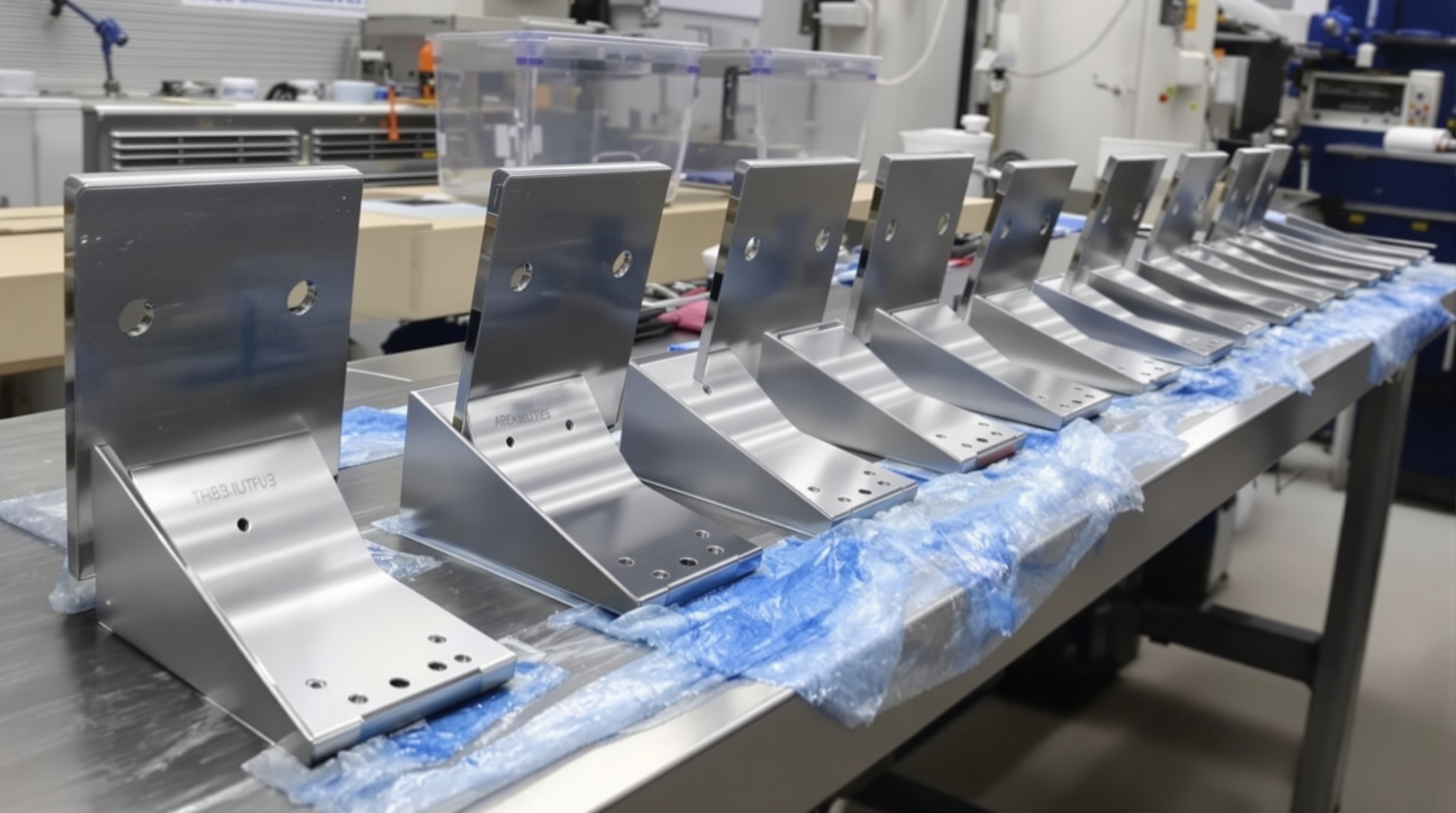
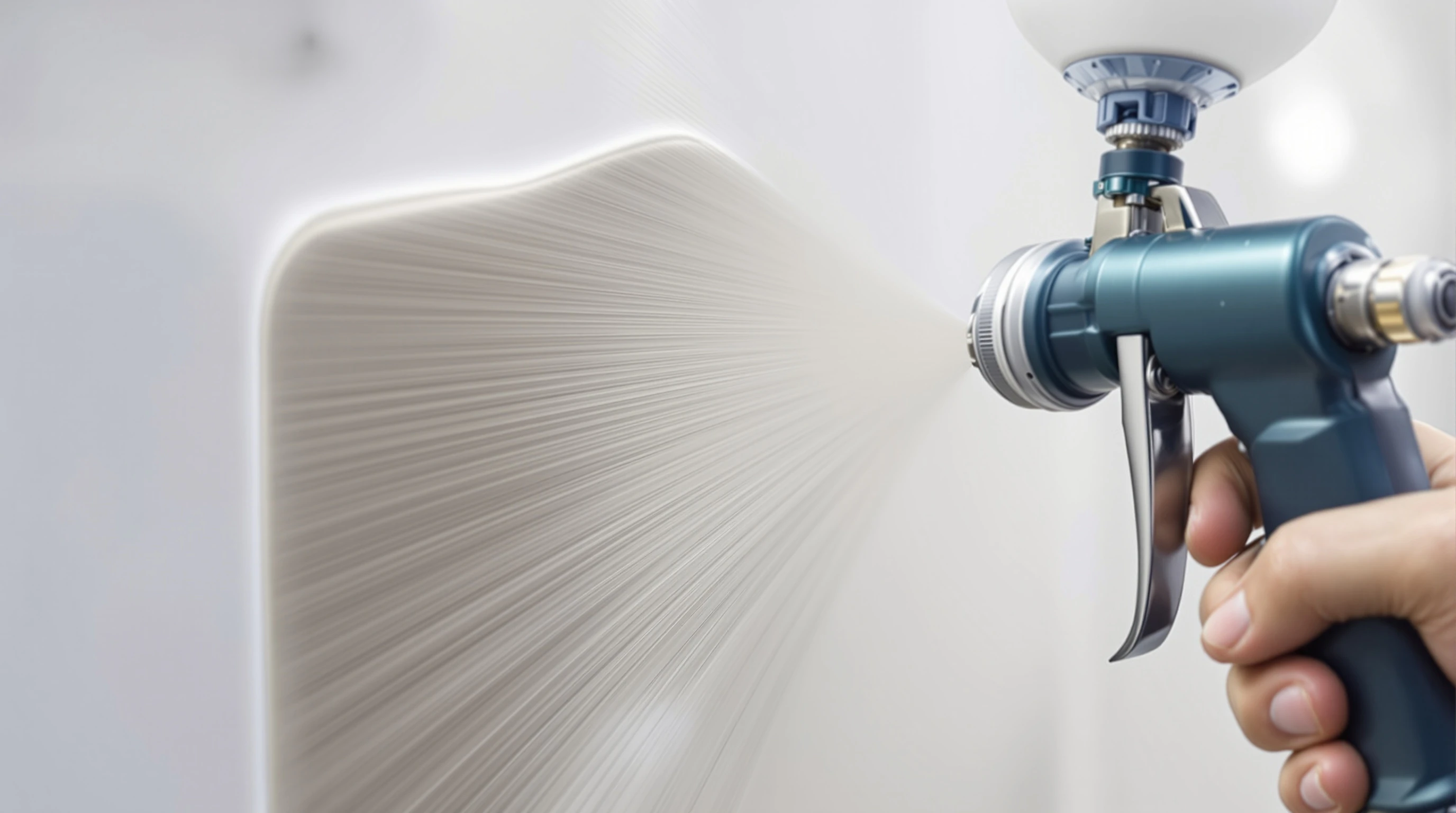
Metal AM Parts Corrode Faster Than Wrought Alloys
Porosity and surface roughness accelerate attack
The challenge
Harsh environments demand coatings that hold.
The solution
ColoradoKote ceramic coating stops corrosion cold.
Why Cerakote for AM Corrosion Protection
Seal porosity and protect in one application

4,000+ Hours Salt Spray Resistance
ASTM B117 verified. Seals micro-porosity inherent in metal AM processes while creating a corrosion barrier that outperforms the base metal's natural resistance.
Porosity Sealing
Cerakote fills the micro-voids and surface imperfections inherent in DMLS, SLM, and binder jet metal AM processes, eliminating moisture ingress points that initiate corrosion from within.
Surface Finish Improvement
Reduces AM surface roughness from Ra 6-15 μm to under 3 μm while adding corrosion protection. Two problems solved in one coating application.
Dimensional Precision
0.5-2 mil application adds minimal dimensional impact (+0.001-0.002"). Preserves the geometric accuracy that additive manufacturing delivers.
AM Corrosion Protection Specifications
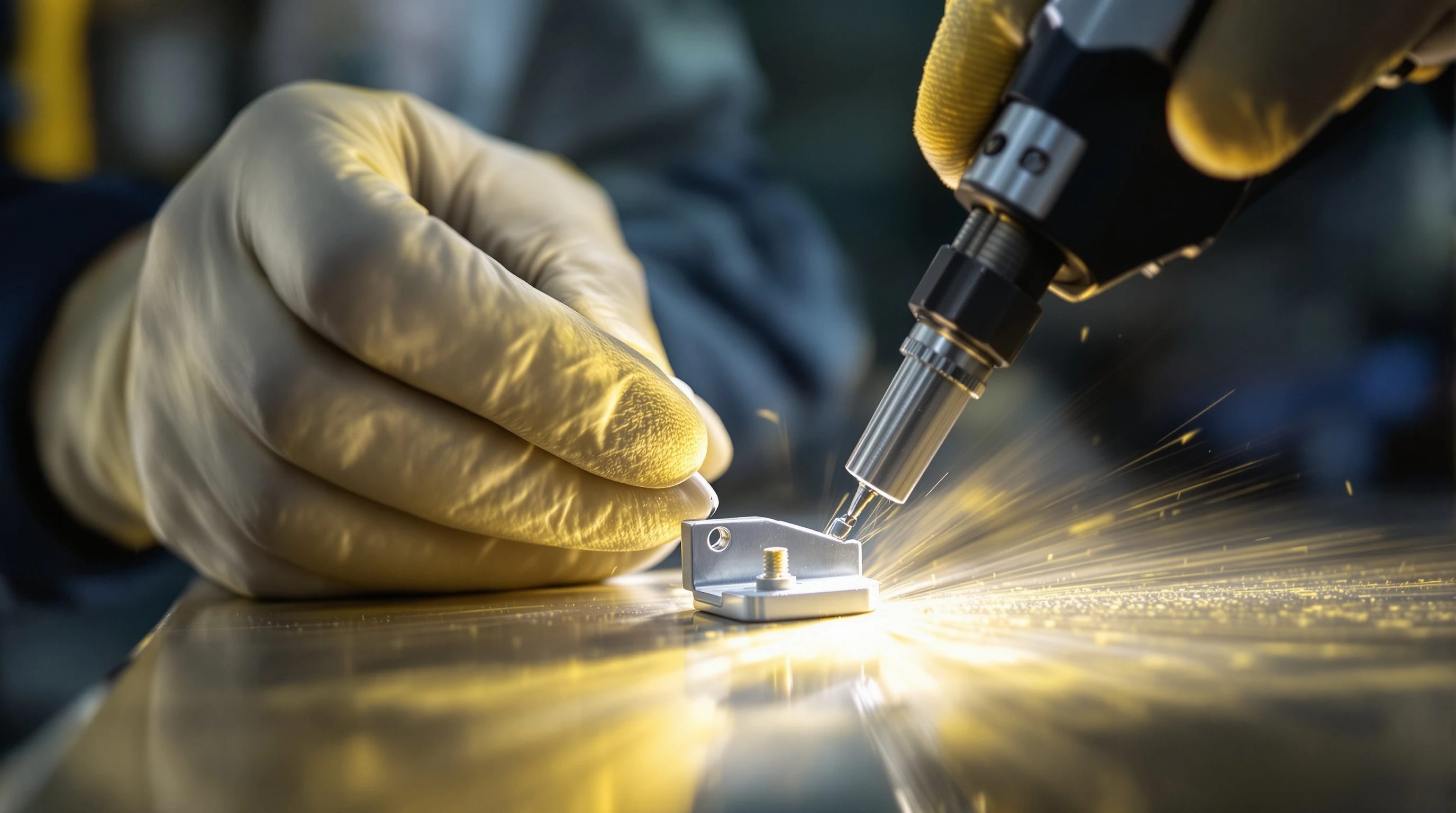
How We Protect AM Parts From Corrosion
Material-specific protocols for metal AM substrates
AM Material Assessment
Parts evaluated for AM process type, alloy, density, and surface condition. Porosity level assessed to determine preparation and coating approach for optimal corrosion barrier.
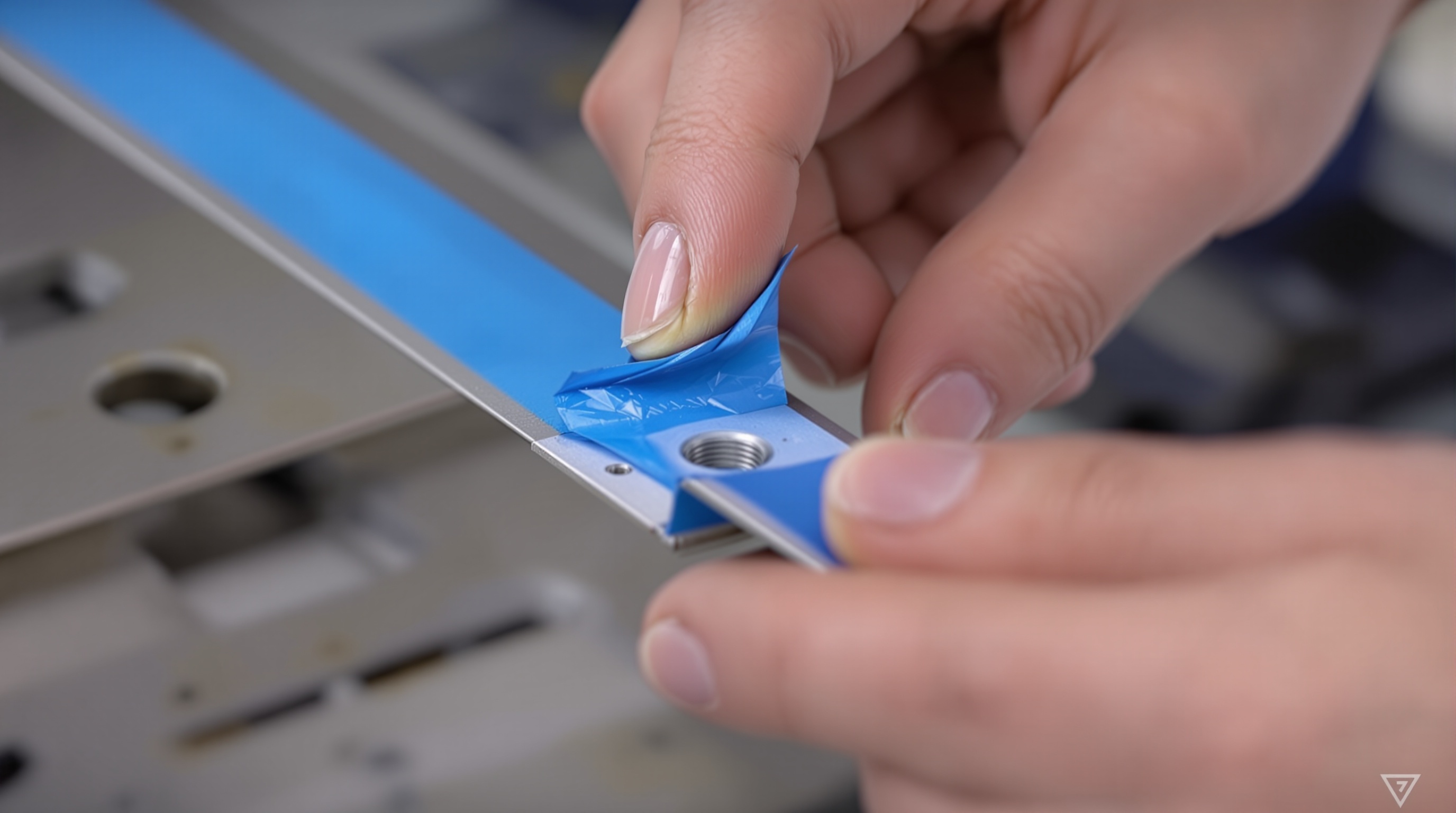
Surface Preparation & Conditioning
Media blasting optimized for AM surface geometry. Support removal areas addressed. Ultrasonic cleaning removes residual powder and oils trapped in surface porosity.

Coating, Cure & Verification
Cerakote applied to seal porosity and create corrosion barrier. Cure temperature matched to metal AM substrate. Post-cure inspection includes adhesion, thickness, and surface quality verification.
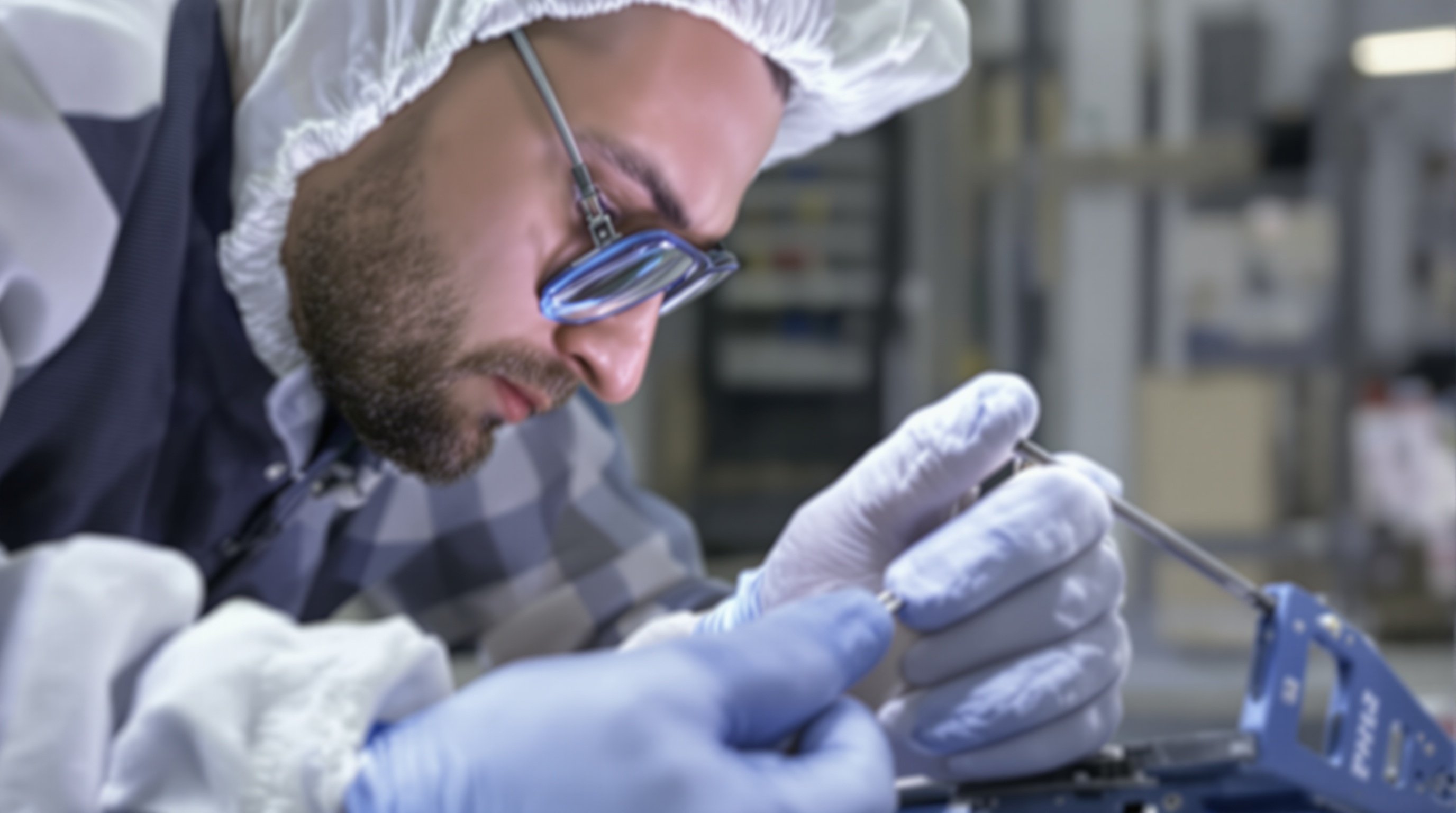
Verified AM Corrosion Protection
Corrosion resistance verified through ASTM B117 salt spray testing on AM substrates. Results demonstrate significant improvement over uncoated metal AM surfaces.
Protection beyond base metal
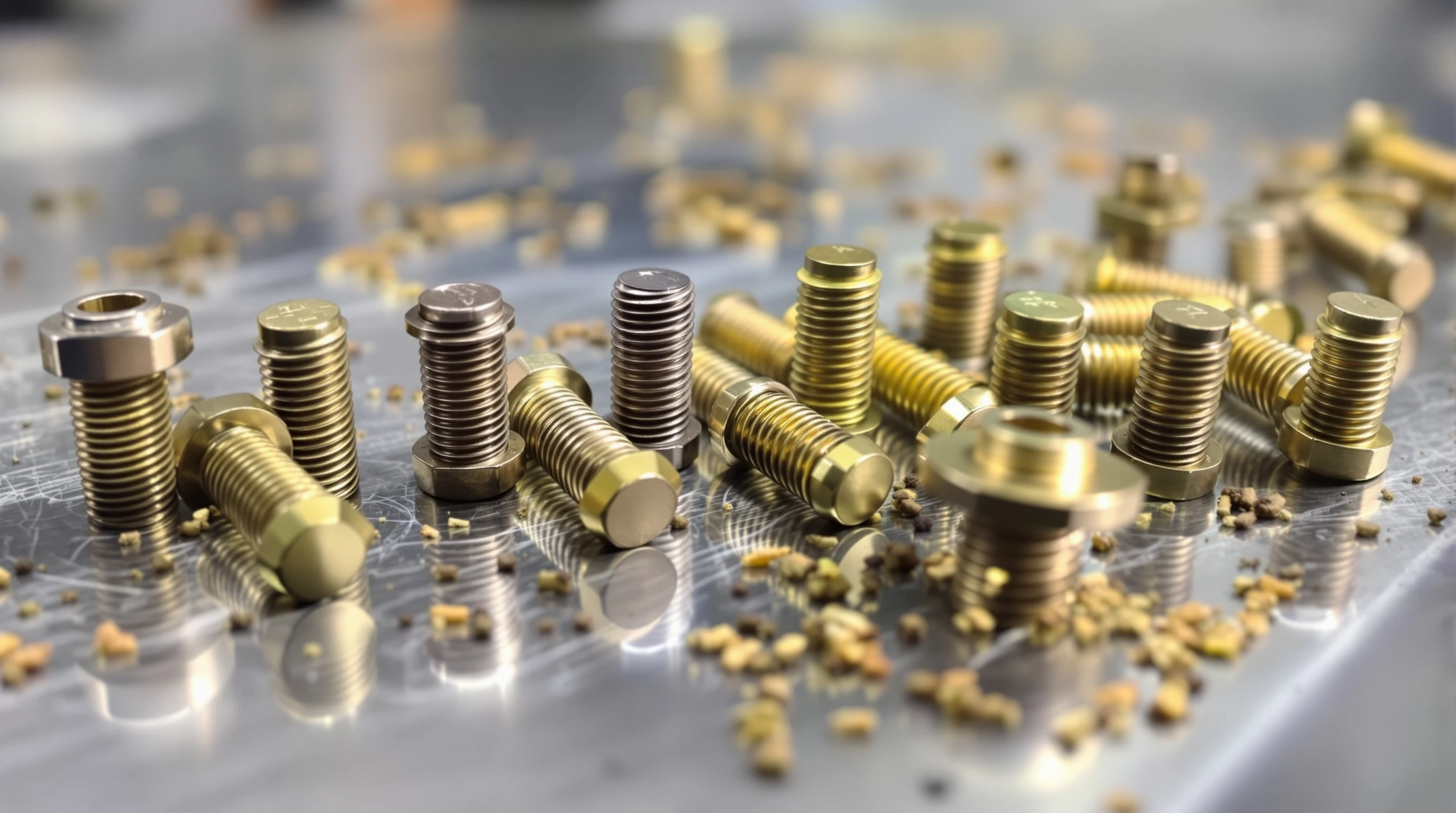
Cerakote-coated AM parts exceed the corrosion resistance of wrought equivalents by sealing the porosity that makes AM surfaces vulnerable to accelerated attack.
Hours salt spray resistance
Other services to consider
Explore what else we offer.

Weight Reduction for Oil and Gas Equipment
Thick coatings add mass to equipment transported to remote wellsites and offshore platforms. Cerakote at 0.5-2 mils saves 200-400g per part versus powder coating. ISO 9001 certified.

Weight Reduction for Medical Device Components
Surgical instruments must be light enough for hours of precise use. Cerakote at 0.5-2 mils saves 200-400g per part versus powder coating without compromising protection. ISO 9001 certified.

Weight Reduction for Maritime Equipment
Heavy coatings add mass to marine hardware that affects vessel performance and handling. Cerakote at 0.5-2 mils saves 200-400g per part versus powder coating. ISO 9001 certified.
Weight Reduction for Industrial OEM Components
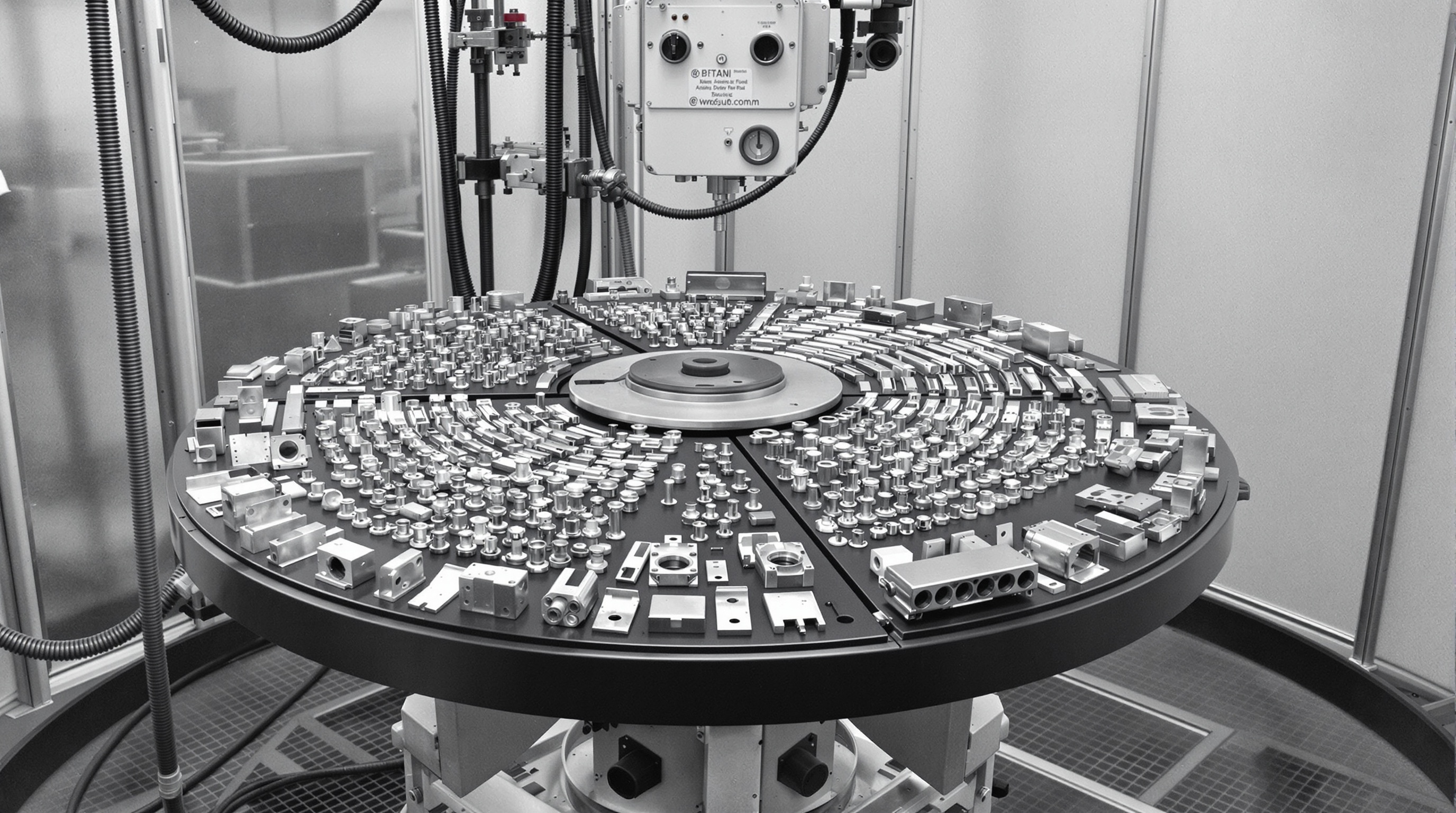
Thick coatings add unnecessary mass to engineered equipment. Cerakote at 0.5-2 mils delivers 200-400g savings per part versus powder coating while preserving tolerances. ISO 9001 certified.
Certified and compliant for your industry

Protect Your AM Parts From Corrosion
Send your AM part details and material specs. We respond within 24 hours with coating approach and pricing.
Frequently Asked Questions
Find answers about our coating processes and technical capabilities
Passivation per ASTM A967 is a standard requirement for medical-grade stainless steel instruments, implants, and device components. The process removes free iron and surface contaminants that could cause corrosion or biocompatibility issues in clinical environments. ColoradoKote's passivation adds no dimensional change, preserving the precision tolerances that surgical instruments and implantable hardware demand.
Cerakote provides 9H pencil hardness and 4,000 cycles per mil abrasion resistance, protecting instrument surfaces through thousands of sterilization cycles and repeated clinical use. The coating's chemical resistance withstands autoclave temperatures and enzymatic cleaning solutions without degradation. At 0.5 to 2 mils thickness, Cerakote preserves the precise tolerances surgical instruments require for proper function.
Yes. We routinely execute non-disclosure agreements for customers with proprietary designs, controlled technical data, or confidential specifications. Our ITAR registration demonstrates our facility's capability to handle controlled information, and we extend the same confidentiality discipline to all customer relationships. Contact us to initiate an NDA before shipping proprietary components or specifications.
We apply Cerakote in flat, matte, satin, semi-gloss, and high-gloss finish profiles across our full color range. Textured finishes are also available for grip enhancement or aesthetic requirements. Each finish option maintains the same 3,000-hour salt spray protection and 9H hardness as the standard coating, so you do not sacrifice performance for appearance.
H-Series is the standard workhorse: 3,000 hours salt spray (ASTM B117), 4,000 abrasion cycles per mil (ASTM D4060), cured at 250-300 degrees F, rated to 500 degrees F continuous. Elite adds a ~0.11 coefficient of friction for dry lubrication on moving parts with the same protection. V-Series is air-cured and rated to 2,000 degrees F for exhaust components and high-temperature applications. We help you select the right series based on your operating environment and performance requirements.