Corrosion Resistance for Automotive R&D
Precision Cerakote ceramic coatings for aerospace, defense, and industrial components.
Prototype Corrosion Undermines Durability Testing
Road spray and salt exposure attack unprotected test components
The challenge
Harsh environments demand coatings that hold.
The solution
ColoradoKote ceramic coating stops corrosion cold.
Why Cerakote for Automotive Prototype Corrosion
One coating system for every prototype material

4,000+ Hours Salt Spray Resistance
ASTM B117 verified across steel, aluminum, and 3D-printed prototype substrates. Protects components through extended durability testing without premature corrosion interference.
Multi-Material Protection
Single coating protects steel, aluminum, titanium, carbon fiber, and 3D-printed components with identical corrosion resistance. One vendor, one process, all substrates.
Chemical & Fluid Resistance
Resists brake fluid, coolant, fuel, road de-icer, and cleaning chemicals. Maintains barrier through the fluid exposures automotive prototypes encounter during testing.
Show-Quality Protection
Corrosion resistance with aesthetic finish quality. Prototypes stay presentation-ready through testing cycles that would destroy conventional protective coatings.
Automotive Corrosion Specifications
How We Protect Automotive Prototypes
Substrate-specific preparation for multi-material assemblies
Multi-Material Assessment
Prototype substrates identified and mapped. Each material gets the preparation protocol optimized for Cerakote adhesion and corrosion barrier formation.
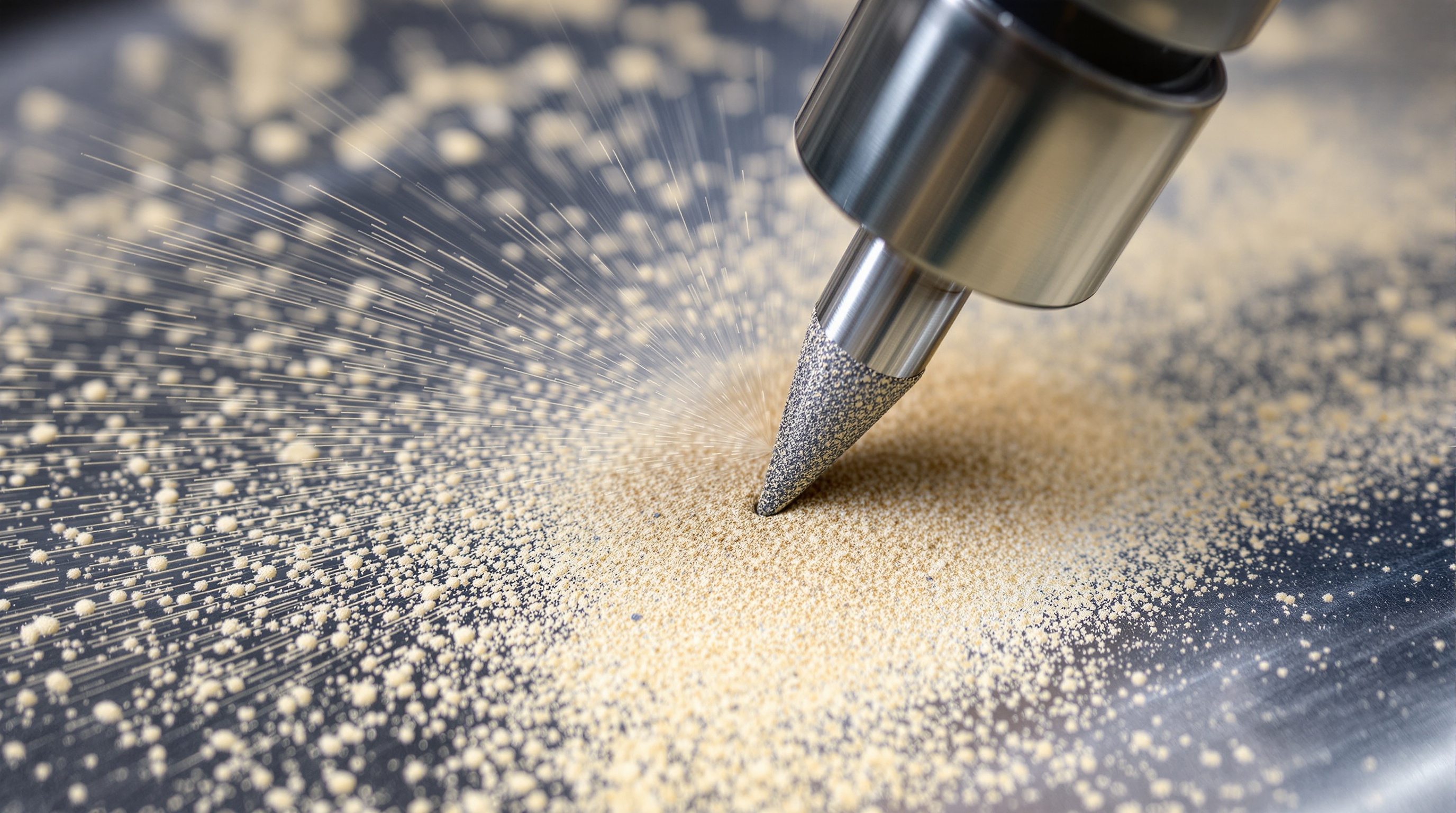
Surface Preparation & Coating
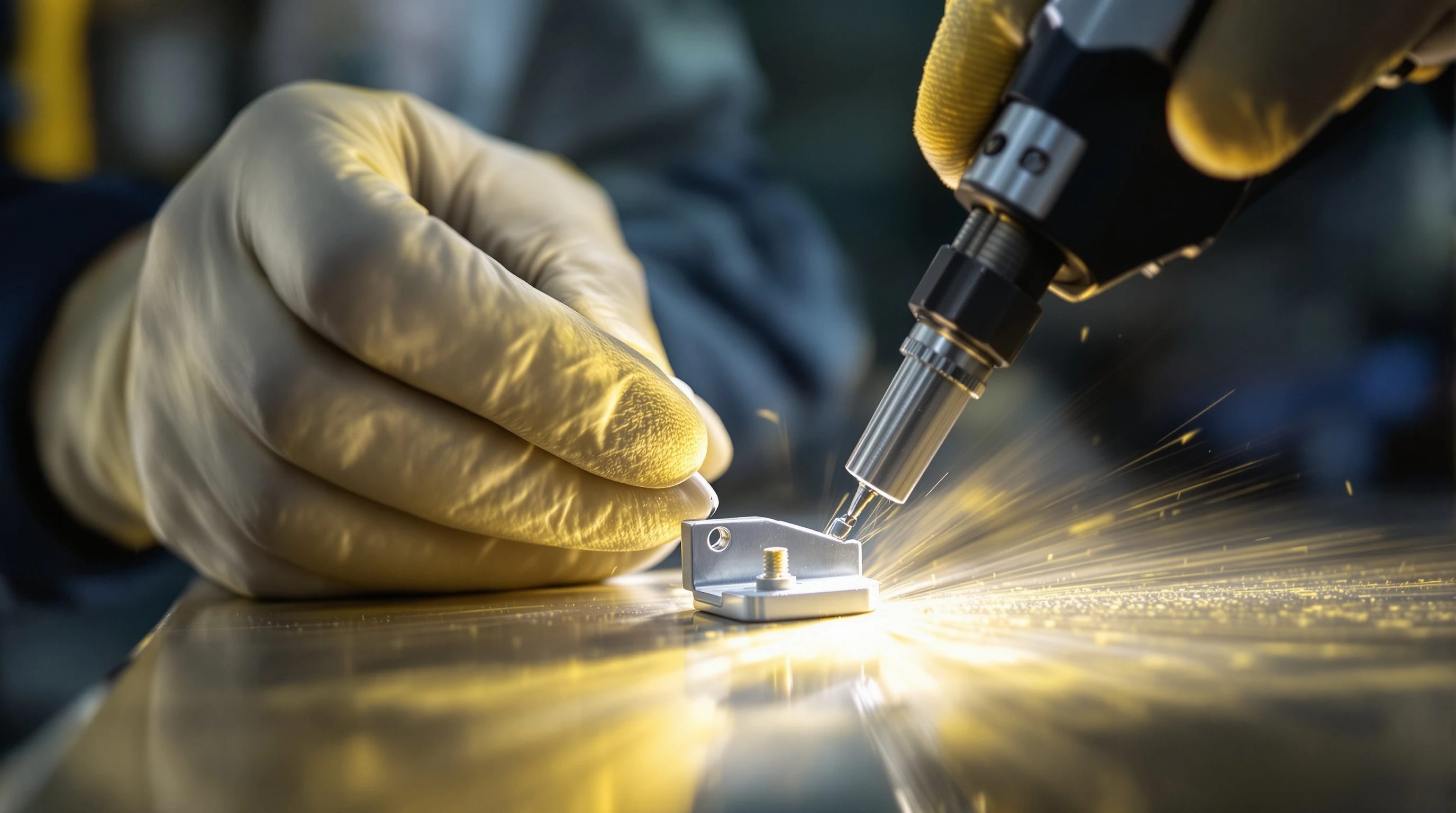
Media blasting tailored to each substrate. Cerakote applied at 0.5-2 mils with color consistency across all materials. In-process thickness verification.

Cure & Quality Verification
Cure temperature matched to substrate requirements. Adhesion testing, thickness verification, and color confirmation. Documentation for prototype program records.

Proven Automotive Corrosion Data
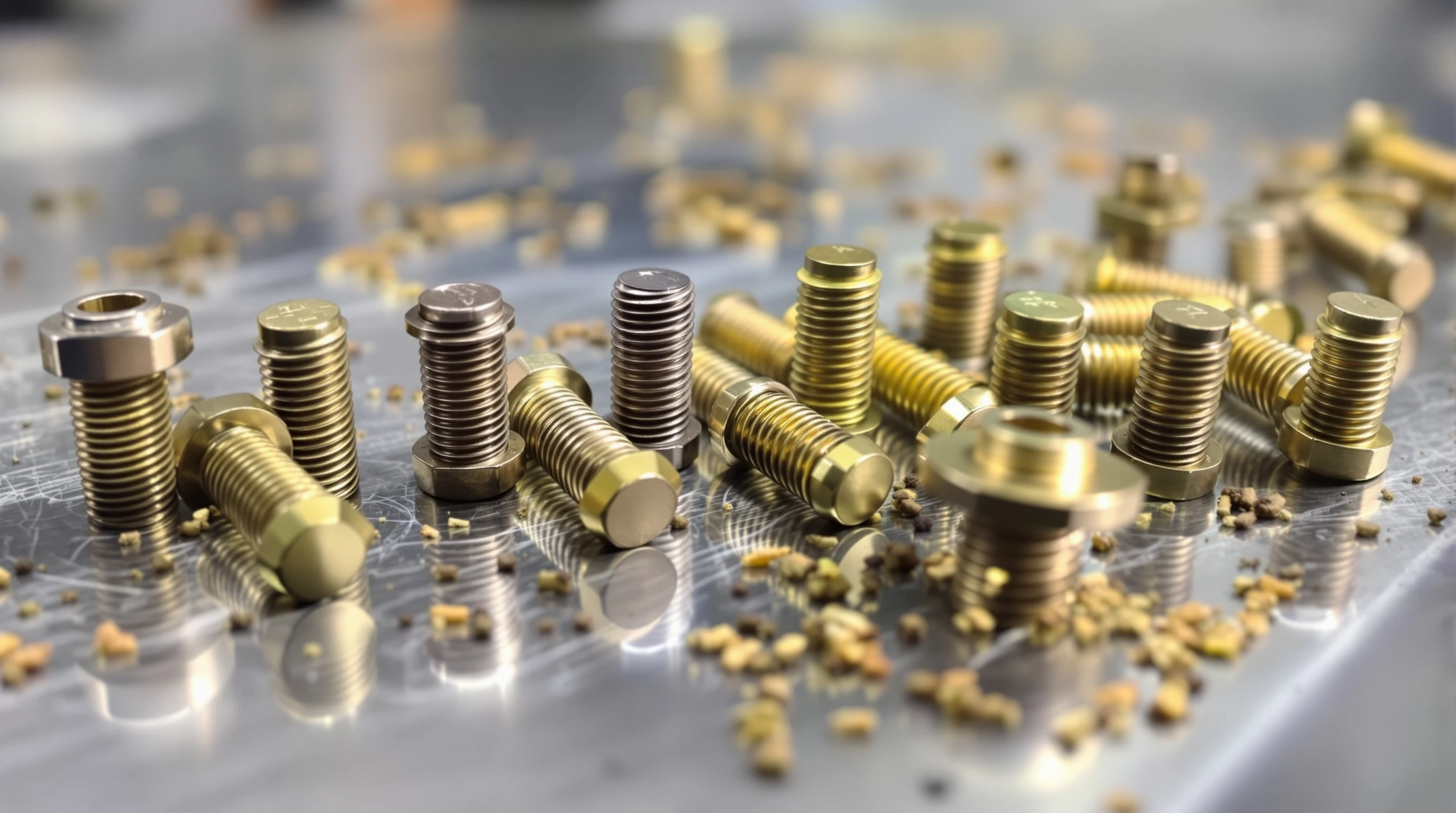
Salt spray resistance verified on automotive-relevant substrates through ASTM B117 testing. Protection data supports engineering evaluation for prototype and pre-production programs.
Hours salt spray resistance
Other services to consider
Explore what else we offer.

Weight Reduction for Oil and Gas Equipment
Thick coatings add mass to equipment transported to remote wellsites and offshore platforms. Cerakote at 0.5-2 mils saves 200-400g per part versus powder coating. ISO 9001 certified.
Weight Reduction for Medical Device Components
Surgical instruments must be light enough for hours of precise use. Cerakote at 0.5-2 mils saves 200-400g per part versus powder coating without compromising protection. ISO 9001 certified.

Weight Reduction for Maritime Equipment
Heavy coatings add mass to marine hardware that affects vessel performance and handling. Cerakote at 0.5-2 mils saves 200-400g per part versus powder coating. ISO 9001 certified.
Weight Reduction for Industrial OEM Components
Thick coatings add unnecessary mass to engineered equipment. Cerakote at 0.5-2 mils delivers 200-400g savings per part versus powder coating while preserving tolerances. ISO 9001 certified.
Certified and compliant for your industry

Protect Your Prototypes
Send your prototype specs and material list. We respond within 24 hours with corrosion protection approach and pricing.
Frequently Asked Questions
Find answers about our coating processes and technical capabilities
Passivation creates the ideal substrate for Cerakote adhesion on stainless steel by providing a chemically clean, contaminant-free surface. This ensures the Cerakote bonds directly to a stable passive layer rather than loose oxides or free iron that could cause delamination. The result is a decorative finish that holds color within Delta E 1.5 and delivers 3,000 hours of salt spray resistance (ASTM B117) over a surface that will not corrode underneath.
We provide full lot traceability and processing documentation to ASTM A967 and AMS 2700 specifications for all oil and gas passivation orders. Our documentation packages meet the requirements of major operators and OEM quality programs. With over 20,000 parts processed and zero quality issues, our process reliability matches the documentation rigor that oil and gas quality departments demand.
Yes. Navigation equipment, radar housings, and marine electronics enclosures require particulate-free and chloride-free surfaces for both coating adhesion and equipment reliability. Ultrasonic cavitation removes salt deposits, corrosion products, and environmental contamination from connector recesses, ventilation features, and mating surfaces. For marine electronics being Cerakote coated for corrosion protection, this thorough cleaning prevents coating defects and ensures the sealed finish protects sensitive electronics from the marine salt spray environment.
Yes. Some applications benefit from a polymer basecoat for flexibility and chemical resistance topped with Cerakote for hardness and abrasion protection. This multi-layer approach addresses applications where no single coating provides all required properties. ColoradoKote designs and applies these combined systems with documented process controls. The full stack, including surface preparation, polymer application, and Cerakote topcoat, ships with complete documentation under our AS9100 quality system.
Yes, and this is one of our most valuable additive manufacturing workflows. Passivation first cleans and protects the stainless substrate, then Cerakote adds 3,000 hours of salt spray resistance (ASTM B117) at just 0.5-2 mils. For AM parts, the thin Cerakote layer preserves fine features and tolerances that thicker coatings like powder coat (4-6 mils) would compromise. Few coating shops offer this passivation-to-Cerakote stack under one roof.