
Corrosion Resistance for Defense
Precision Cerakote ceramic coatings for aerospace, defense, and industrial components.

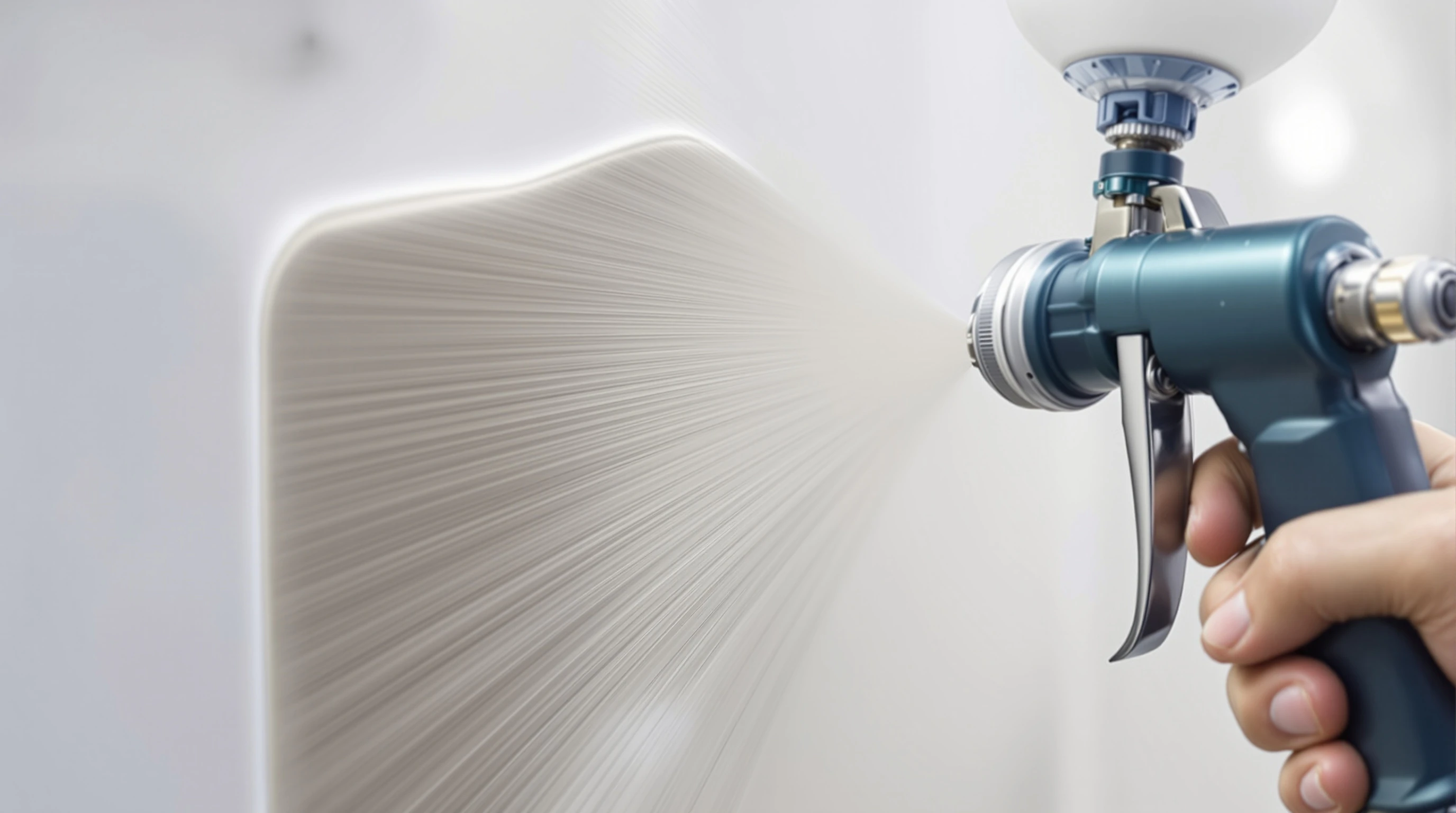
Corrosion Is the Silent Threat to Defense Equipment
Salt, chemicals, and storage degrade mission readiness
The challenge
Harsh environments demand coatings that hold.
The solution
ColoradoKote ceramic coating stops corrosion cold.
Why Cerakote for Defense Corrosion Protection
Mil-spec performance with decontamination survivability

4,000+ Hours Salt Spray Resistance
ASTM B117 verified. Outperforms phosphate, parkerizing, and standard mil-spec paint systems by 4x to 10x in corrosion protection on all defense substrates.
Chemical Decontamination Resistant
Maintains adhesion and barrier integrity through CBRN decontamination protocols. Equipment stays protected after decon procedures that destroy conventional finishes.
Multi-Environment Protection
Single coating system performs in desert, maritime, tropical, and arctic environments. Eliminates theater-specific coating requirements that complicate logistics.
Full ITAR/AS9100 Documentation
Chain-of-custody traceability, material certifications, and test data on every Certificate of Conformance. Meets defense procurement documentation requirements.
Defense Corrosion Specifications

How We Protect Defense Equipment
ITAR-controlled corrosion protection with full traceability
ITAR-Controlled Receiving & Review
Equipment received under ITAR protocols. Mil-spec corrosion requirements verified. Operating environment and chemical exposure conditions documented for coating selection.
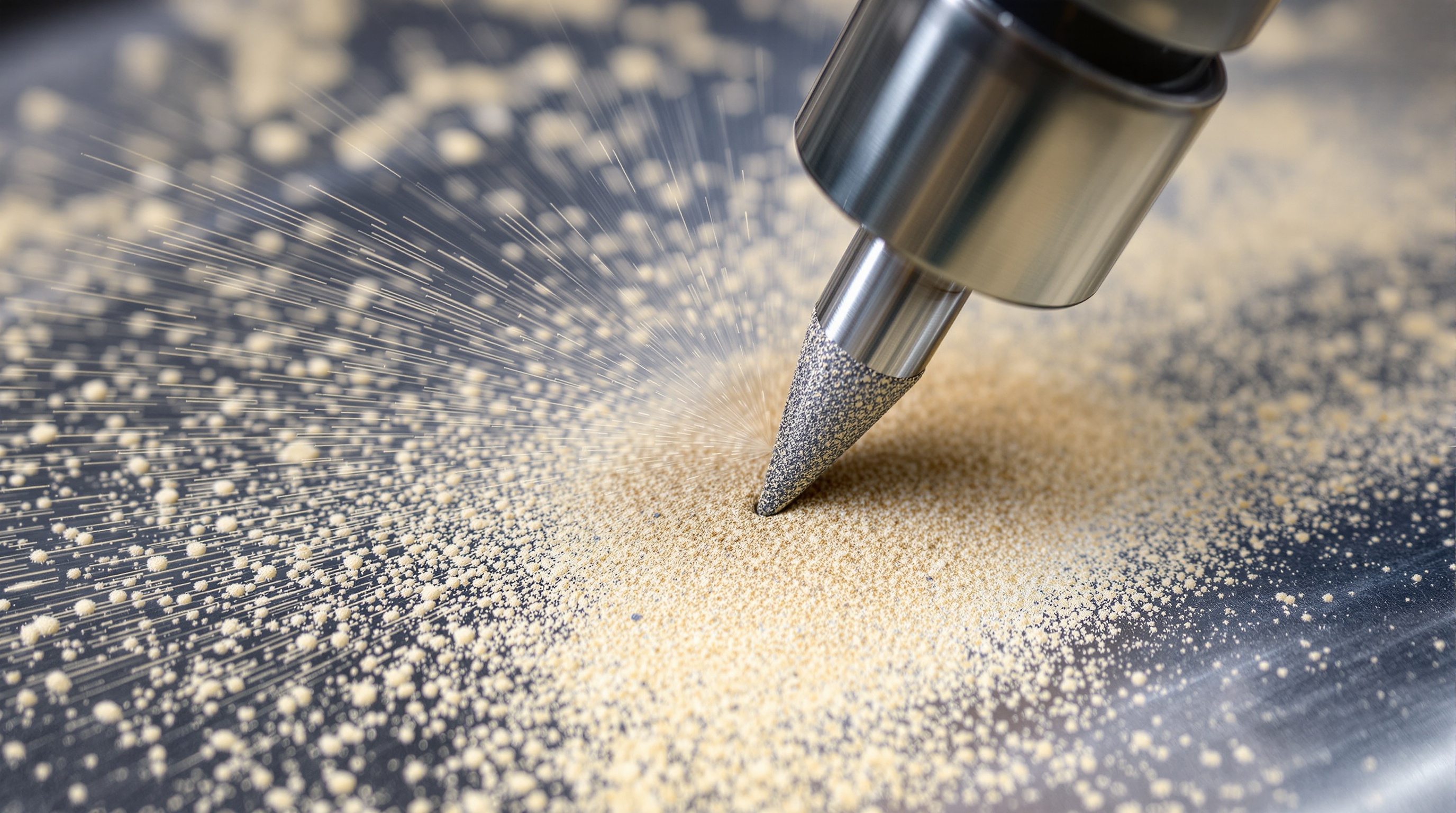
Surface Preparation & Application
Media blasting to specified profile. Cerakote applied at mil-spec thickness with full coverage verification on complex defense geometries and assemblies.

Verification & Documentation
Post-cure adhesion and thickness testing. Certificate of Conformance with ITAR-controlled material traceability, test data, and lot documentation for defense program compliance.

Verified Defense Corrosion Performance
Corrosion and chemical resistance verified through ASTM B117 and chemical exposure testing under controlled conditions. Performance data supports mil-spec evaluation requirements.
Decon survivability tested
Cerakote maintains coating integrity through repeated chemical decontamination cycles, providing ongoing corrosion protection when conventional finishes have been stripped away.
Hours salt spray resistance

Other services to consider
Explore what else we offer.

Weight Reduction for Oil and Gas Equipment
Thick coatings add mass to equipment transported to remote wellsites and offshore platforms. Cerakote at 0.5-2 mils saves 200-400g per part versus powder coating. ISO 9001 certified.
Weight Reduction for Medical Device Components
Surgical instruments must be light enough for hours of precise use. Cerakote at 0.5-2 mils saves 200-400g per part versus powder coating without compromising protection. ISO 9001 certified.

Weight Reduction for Maritime Equipment
Heavy coatings add mass to marine hardware that affects vessel performance and handling. Cerakote at 0.5-2 mils saves 200-400g per part versus powder coating. ISO 9001 certified.
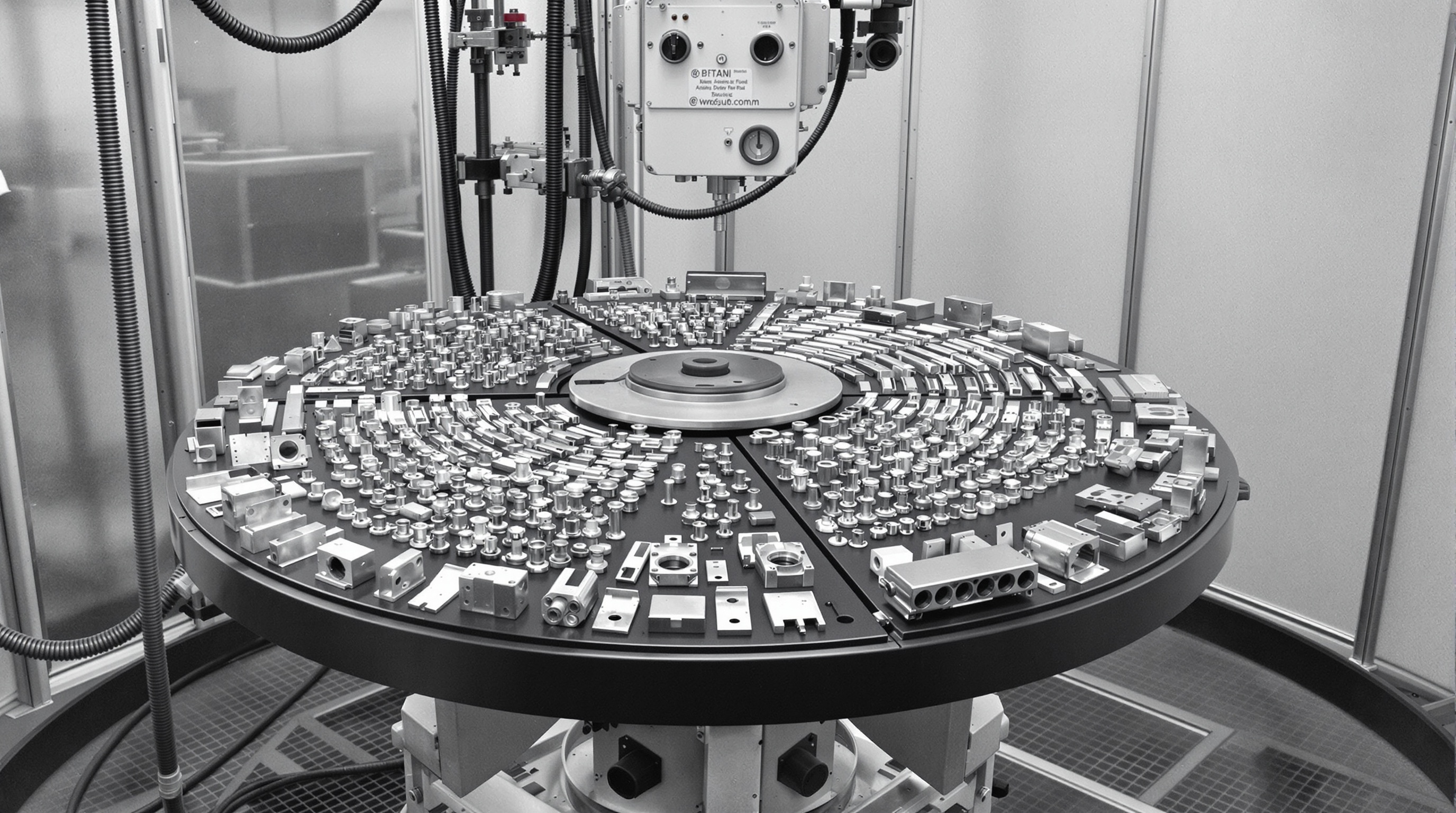
Weight Reduction for Industrial OEM Components
Thick coatings add unnecessary mass to engineered equipment. Cerakote at 0.5-2 mils delivers 200-400g savings per part versus powder coating while preserving tolerances. ISO 9001 certified.
Certified and compliant for your industry

Protect Defense Equipment From Corrosion
Request an ITAR-compliant corrosion protection quote. We respond within 24 hours with approach and pricing.
Frequently Asked Questions
Find answers about our coating processes and technical capabilities
For maximum coating adhesion and longevity, our recommended full preparation stack is: ultrasonic cleaning to remove all chemical and organic contaminants, followed by sandblasting to SSPC-SP 10 with 2-4 mil anchor profile, followed by chemical conversion or passivation where applicable for the substrate material, then Cerakote application. Each step addresses a specific adhesion requirement. Skipping any step reduces the final coating performance. This full stack is what delivers salt spray resistance exceeding 3,000 hours consistently.
H-Series is the standard workhorse: 3,000 hours salt spray (ASTM B117), 4,000 abrasion cycles per mil (ASTM D4060), cured at 250-300 degrees F, rated to 500 degrees F continuous. Elite adds a ~0.11 coefficient of friction for dry lubrication on moving parts with the same protection. V-Series is air-cured and rated to 2,000 degrees F for exhaust components and high-temperature applications. We help you select the right series based on your operating environment and performance requirements.
Yes. Surface-mounted pipeline components, valve actuators, and wellhead equipment face continuous UV exposure alongside chemical contact from production fluids and treatment chemicals. Cerakote maintains color stability through both UV degradation and chemical attack that rapidly fades and chalks conventional paint systems. ColoradoKote verifies color consistency by spectrophotometer on every production lot, ensuring replacement parts match installed equipment even years after the original installation.
Yes. We process DMLS stainless steel, titanium, Inconel, and aluminum AM parts with full surface preparation, passivation or chemical conversion as required, and Cerakote ceramic topcoat. Our AS9100 quality system applies the same traceability and process controls to AM parts as conventionally manufactured components. This matters for aerospace and medical AM applications where documentation rigor is non-negotiable.
Yes. Fertilizers, herbicides, pesticides, and soil amendments contain aggressive compounds that penetrate raw AM surface porosity and attack the substrate from within. Cerakote seals this porosity and provides a continuous chemical barrier that raw PA12, PA11, and metal AM surfaces cannot achieve. For AM components on sprayer systems, chemical application equipment, and seed treatment machinery, the sealed Cerakote finish is the difference between a part that survives one season and one that lasts years.