Corrosion Resistance for Maritime
Precision Cerakote ceramic coatings for aerospace, defense, and industrial components.

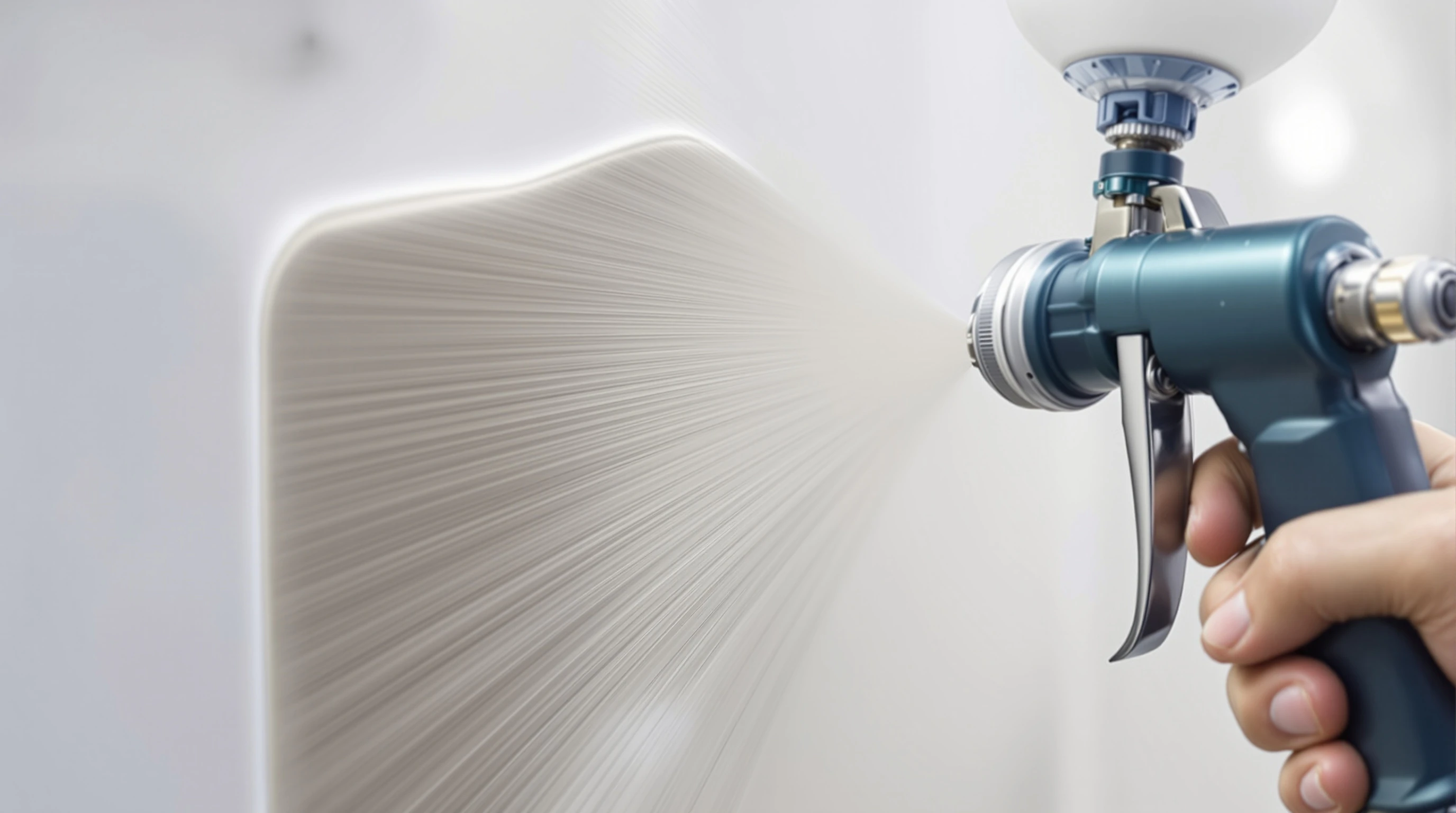
Saltwater Corrosion Is Relentless
Marine environments test every coating to failure
The challenge
Harsh environments demand coatings that hold.
The solution
ColoradoKote ceramic coating stops corrosion cold.
Why Cerakote for Maritime Corrosion
Molecular-level saltwater barrier on all marine metals

4,000+ Hours Salt Spray Resistance
ASTM B117 verified on marine-grade metals. Molecular barrier blocks salt spray, humidity, and direct immersion. Outperforms marine paint by years, not months.
All Marine Metals Protected
Single coating system bonds to stainless, aluminum, bronze, and carbon steel. Eliminates galvanic corrosion risk at dissimilar metal interfaces in marine assemblies.
UV Stable
Resists UV degradation and chalking in direct marine sunlight. Color and gloss retention maintained without the recoating schedule that marine paint demands.
Thin-Film Marine Protection
Full corrosion resistance at 0.5-2 mils. Maintains fit and function on marine hardware, fittings, and fasteners where thick coatings cause interference.
Maritime Corrosion Specifications

How We Protect Marine Equipment
Substrate-specific preparation for maximum saltwater resistance
Marine Substrate Assessment
Material identification determines preparation protocol. Salt deposits and marine contaminants removed. Substrate condition documented for coating approach selection.

Surface Preparation & Application
Media blasting to optimal profile for marine substrates. Cerakote applied at 0.5-2 mils with full coverage on complex marine geometries and hardware.

Cure & Marine Quality Verification
Oven-cured per specification. Adhesion testing and thickness verification. Certificate of Conformance with material traceability for marine equipment records.

Verified Maritime Corrosion Data
Salt spray resistance verified through ASTM B117 testing on marine-grade substrates. Performance data demonstrates protection far exceeding conventional marine paint systems.
Hours salt spray resistance

Other services to consider
Explore what else we offer.

Weight Reduction for Oil and Gas Equipment
Thick coatings add mass to equipment transported to remote wellsites and offshore platforms. Cerakote at 0.5-2 mils saves 200-400g per part versus powder coating. ISO 9001 certified.
Weight Reduction for Medical Device Components
Surgical instruments must be light enough for hours of precise use. Cerakote at 0.5-2 mils saves 200-400g per part versus powder coating without compromising protection. ISO 9001 certified.
Weight Reduction for Maritime Equipment
Heavy coatings add mass to marine hardware that affects vessel performance and handling. Cerakote at 0.5-2 mils saves 200-400g per part versus powder coating. ISO 9001 certified.
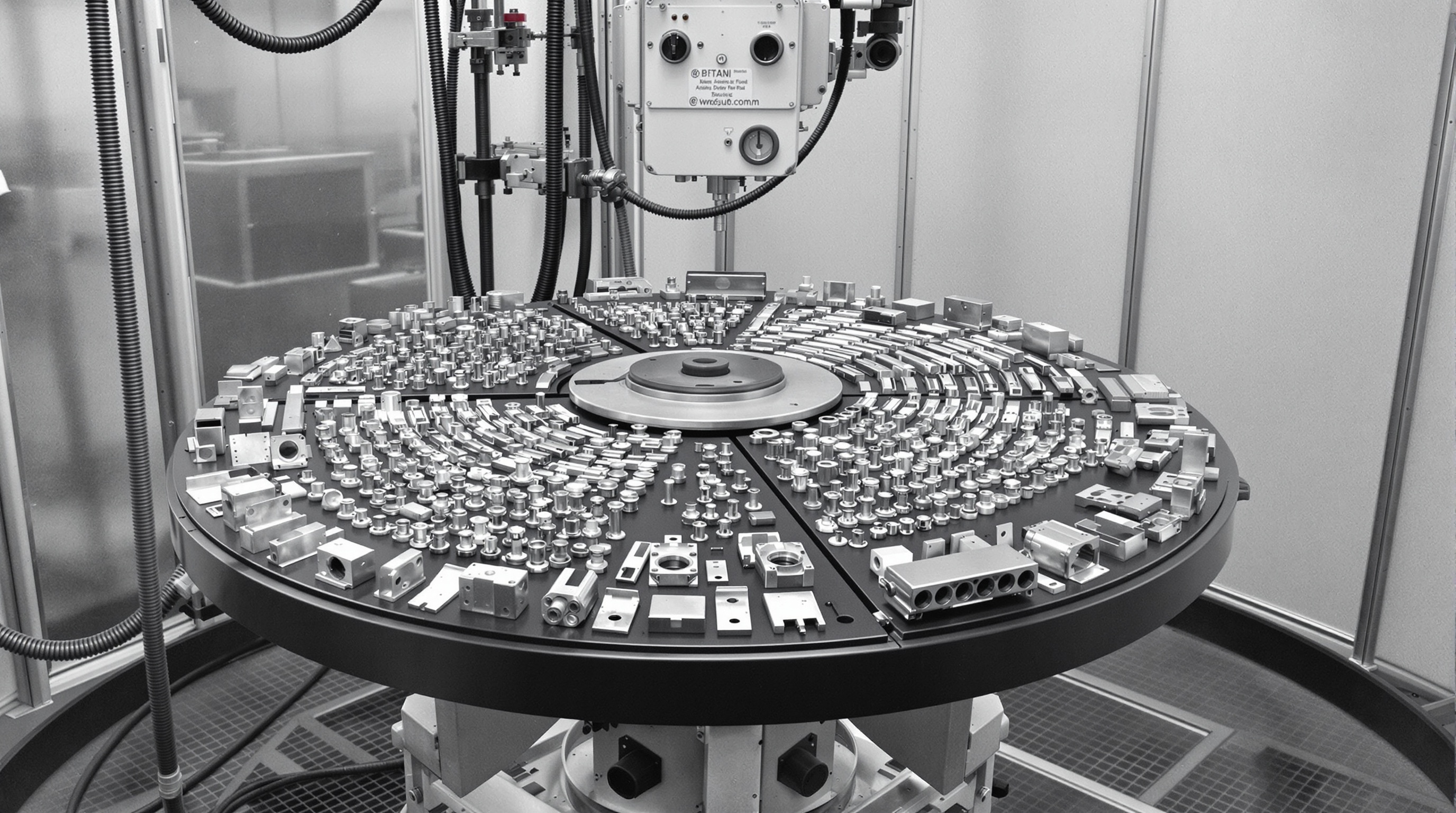
Weight Reduction for Industrial OEM Components
Thick coatings add unnecessary mass to engineered equipment. Cerakote at 0.5-2 mils delivers 200-400g savings per part versus powder coating while preserving tolerances. ISO 9001 certified.
Certified and compliant for your industry
Protect Your Marine Equipment
Send your marine component details. We respond within 24 hours with corrosion protection approach and pricing.
Frequently Asked Questions
Find answers about our coating processes and technical capabilities
Yes. We process DMLS stainless steel, titanium, Inconel, and aluminum AM parts with full surface preparation, passivation or chemical conversion as required, and Cerakote ceramic topcoat. Our AS9100 quality system applies the same traceability and process controls to AM parts as conventionally manufactured components. This matters for aerospace and medical AM applications where documentation rigor is non-negotiable.
Agricultural equipment faces some of the toughest corrosion environments: fertilizers, pesticides, moisture, and soil abrasion. Chemical conversion coating per MIL-DTL-5541 Type I provides 168-240+ hours of salt spray resistance (ASTM B117) on aluminum components, forming a reliable barrier against chemical and moisture attack. For equipment with extended outdoor exposure, adding Cerakote boosts protection to 3,000 hours of salt spray resistance.
Polymer coating creates a continuous, flexible barrier between the metal substrate and corrosive environments. Unlike rigid coatings that can crack under mechanical or thermal stress and expose the substrate, polymer coatings flex with the component while maintaining barrier integrity. This flexibility is the key advantage for corrosion protection in applications involving vibration, thermal cycling, or mechanical deflection. For maximum corrosion protection, we recommend the full surface preparation stack: blast, conversion coating where applicable, then polymer.
Chemical conversion coating and anodizing serve different purposes on agricultural aluminum. Conversion coating is thinner (sub-micron vs. 0.5-3 mils for anodizing), faster to process, and provides excellent paint adhesion as a primer layer. For agricultural parts that need both a corrosion base coat and a durable topcoat, the chem conversion plus Cerakote stack delivers 3,000 hours of salt spray protection while keeping buildup to 0.5-2 mils total.
Yes. We mask threaded holes, bearing surfaces, sealing faces, and critical datum features before coating to preserve your specified dimensions. At 0.5-2 mils thickness, Cerakote adds minimal material to non-masked surfaces, maintaining tolerances that powder coating at 4-6 mils cannot achieve. Masking plans are documented as part of our AS9100 process controls and reviewed against your engineering drawings before production begins. Complex masking requirements are addressed during the quoting process.