
Corrosion Protection for Additive Manufacturing
Precision Cerakote ceramic coatings for aerospace, defense, and industrial components.
The Corrosion Problem in Additive Manufacturing
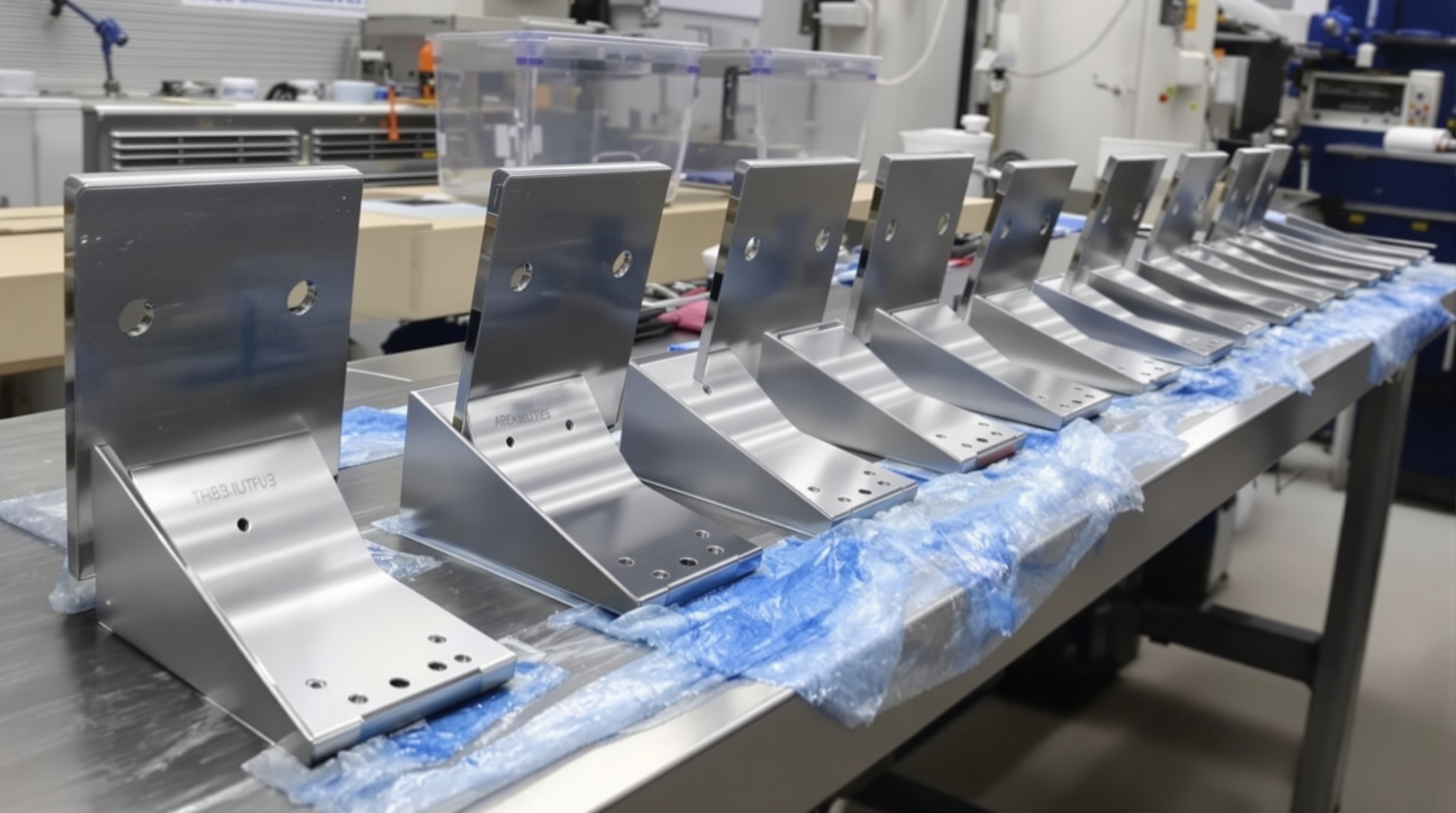
Porosity turns AM parts into corrosion liabilities
The challenge
Harsh environments demand coatings that hold.
The solution
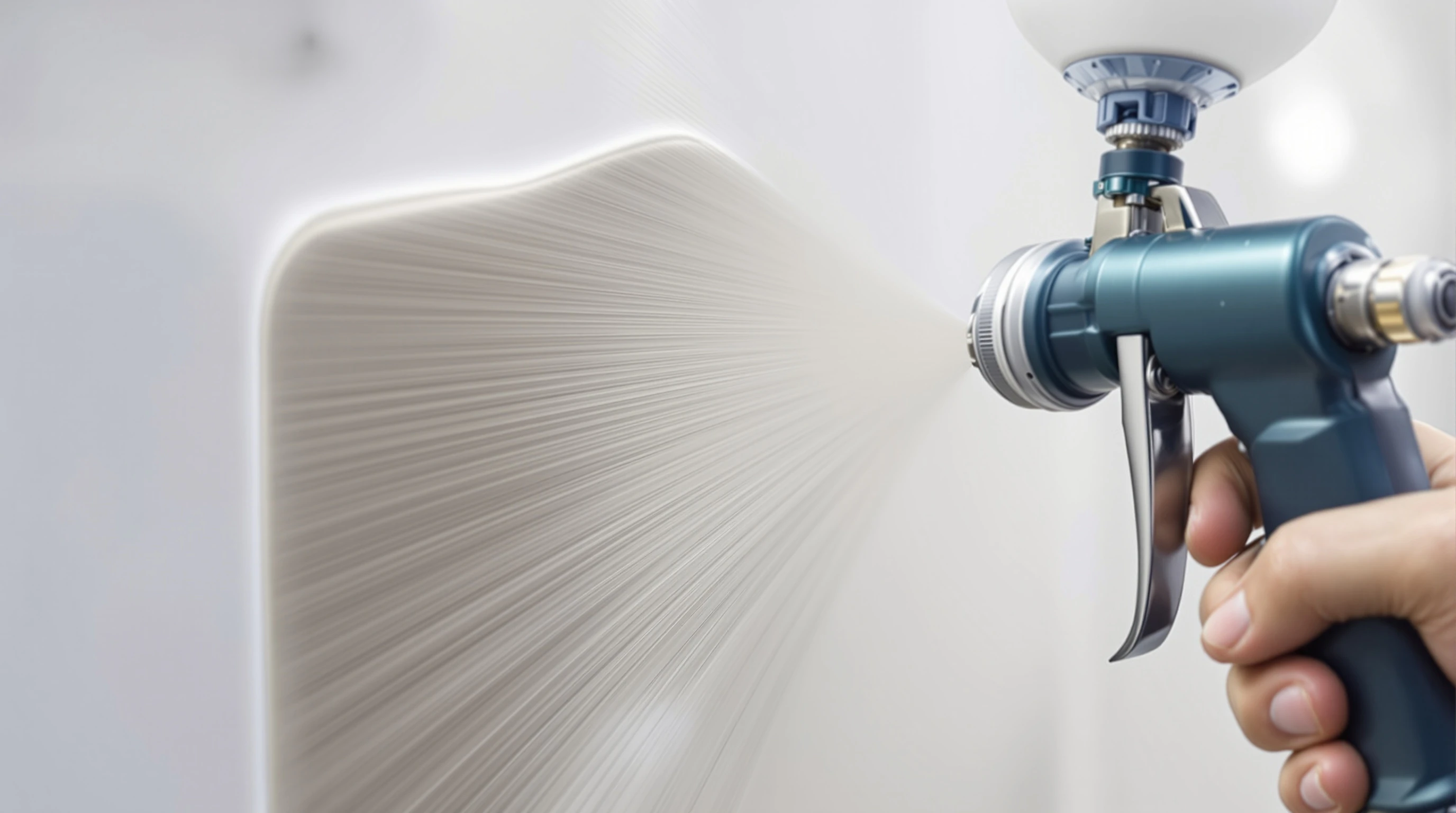
ColoradoKote ceramic coating stops corrosion cold.
Why Cerakote for AM Corrosion Protection
Seal porosity and protect in one step

Porosity sealing with corrosion barrier
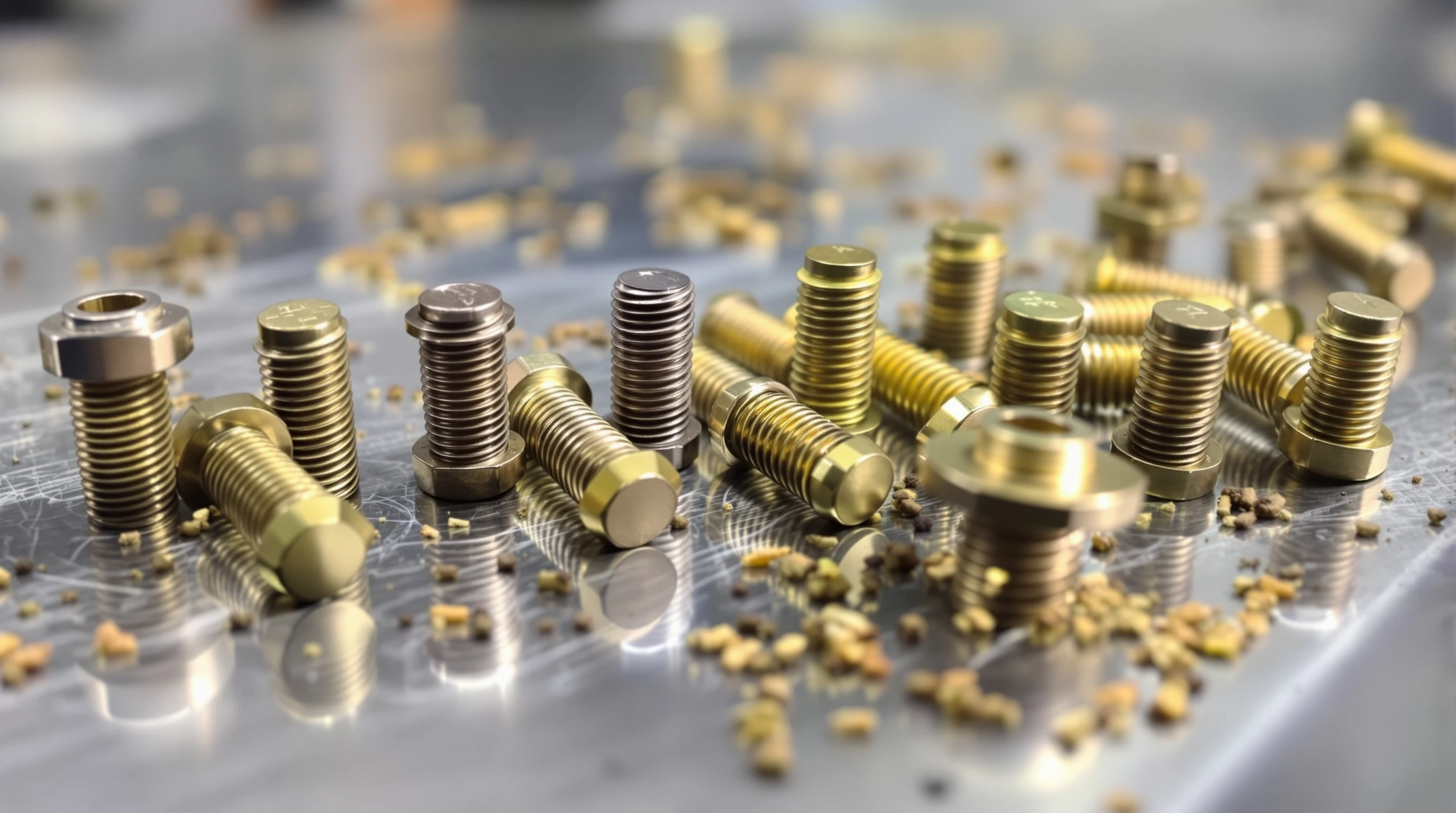
Cerakote fills micro-porosity from powder bed fusion while delivering 4,000+ hours salt spray resistance (ASTM B117). Vapor polishing and tumbling improve cosmetics but leave surfaces chemically unprotected. Cerakote provides both surface sealing and functional corrosion protection in a single coating application.
AM tolerance preservation at 0.5-2 mils
Additive manufacturing enables complex geometries with tolerances of plus or minus 0.005 inches. Cerakote adds 0.001 to 0.002 inches per coated surface, keeping parts within their tolerance envelope. Powder coating at 4-6 mils pushes AM parts outside specification and requires post-machining that eliminates topology-optimized features.
Full traceability for aerospace AM parts
Every AM coating job is documented per AS9100 requirements with material batch numbers, cure parameters, and inspection data. Certificate of Conformance includes before-and-after Ra measurements and dimensional verification by CMM. First article inspection reports are available for new aerospace AM programs.
Multi-substrate compatibility across AM materials
Cerakote bonds to PA12, PA11, glass-filled nylon, AlSi10Mg, Ti-6Al-4V, Inconel, and stainless steel. One coating partner handles your entire AM portfolio regardless of build material or print technology. Polymer parts cure at 250 F, below PA12 heat deflection temperature, preventing warping.
Corrosion Specs for AM Applications
How We Deliver Corrosion Protection for AM Parts
Material-specific protocols for polymer and metal additive manufacturing
AM Material Assessment and Surface Preparation
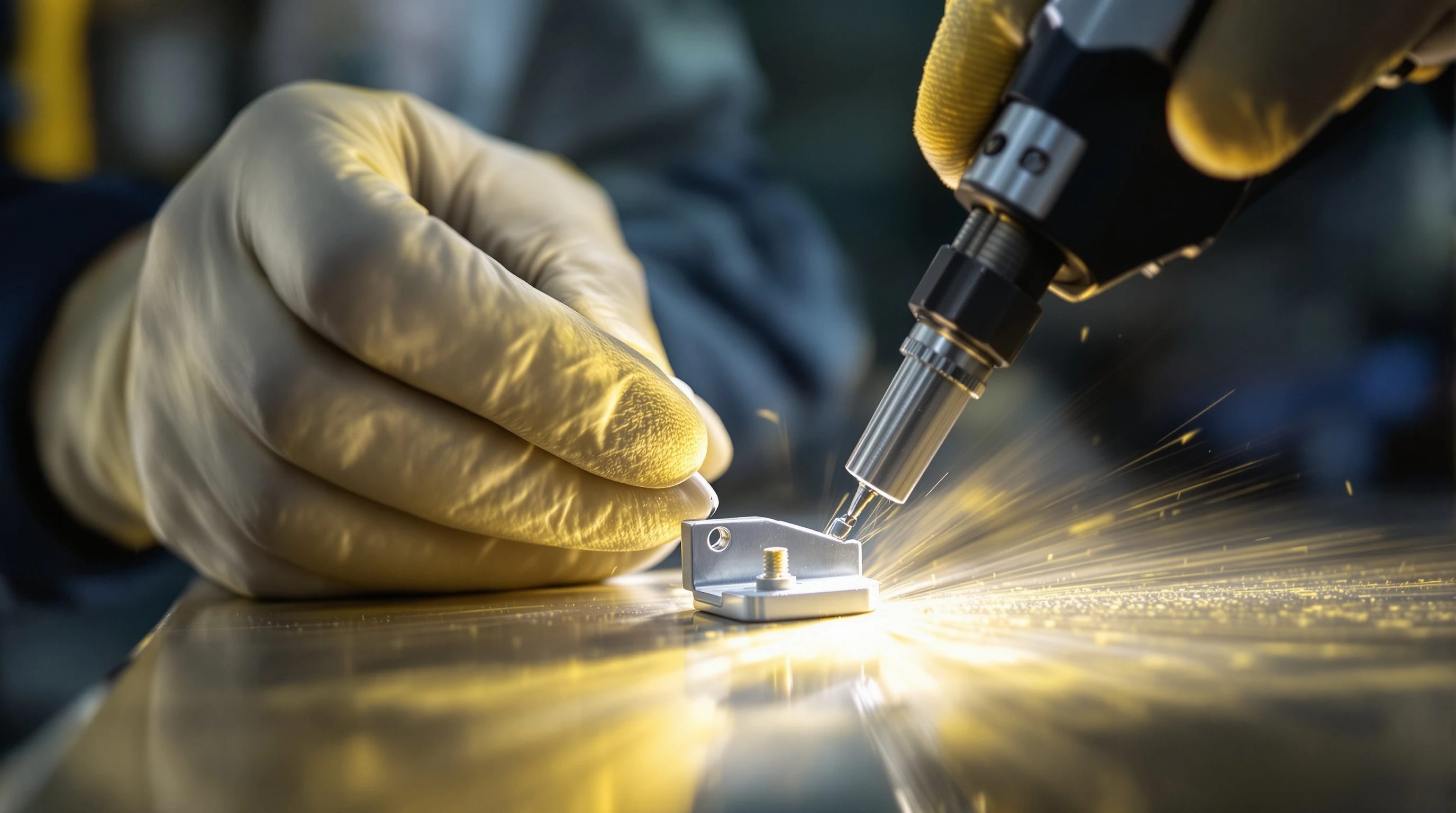
Every AM part begins with substrate identification: PA12, PA11, glass-filled nylon, AlSi10Mg, Ti-6Al-4V, Inconel, or stainless steel. Polymer parts receive low-pressure aluminum oxide blasting at 30-40 PSI to avoid distortion of thin-walled features and lattice structures. Metal AM parts receive tailored blasting to remove support structure witness marks without altering geometry.
Thin-Film Corrosion Barrier Application
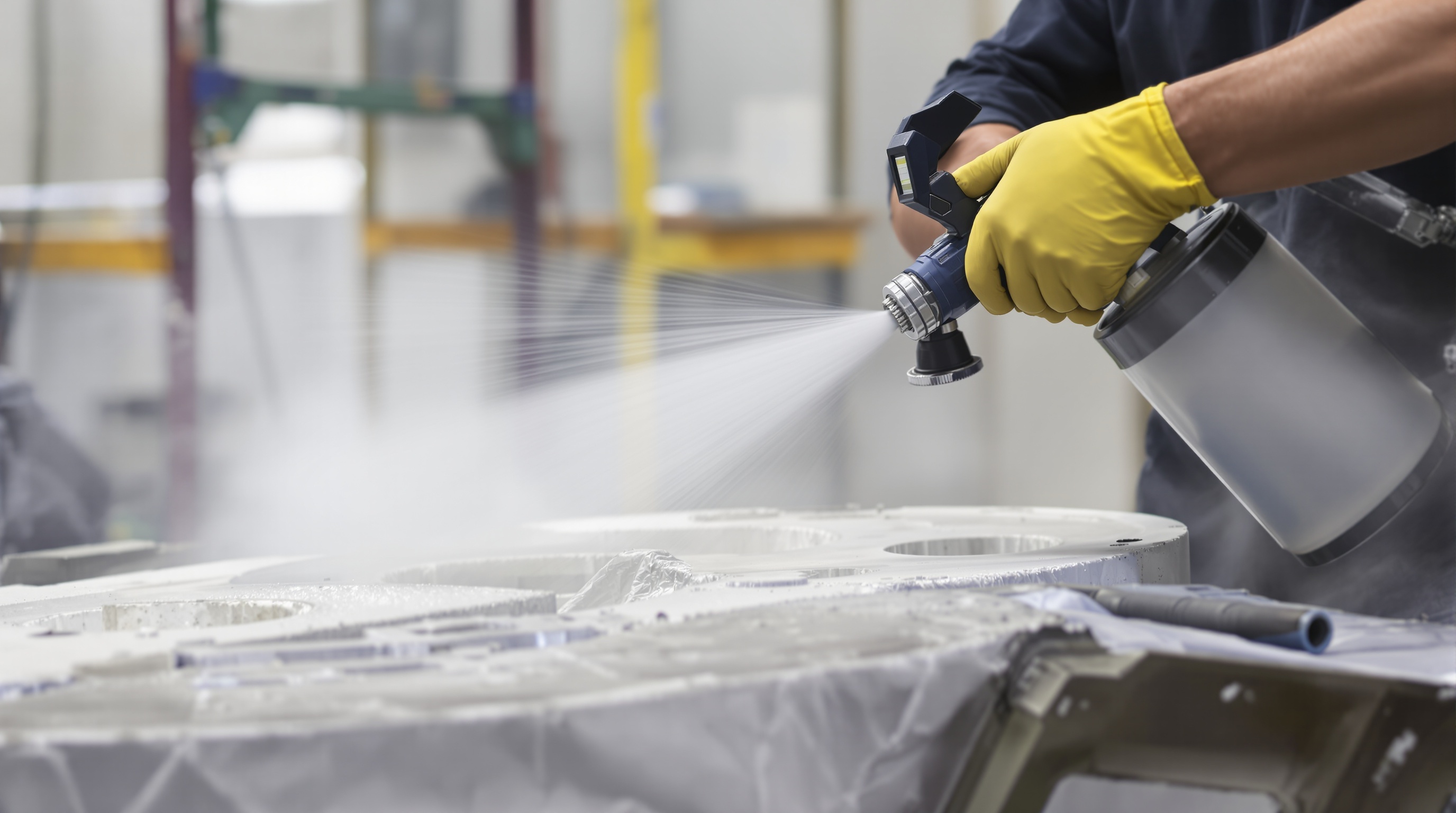
Cerakote is applied at 0.5-2 mil thickness via calibrated HVLP equipment, filling surface porosity while building a continuous corrosion barrier. Polymer parts cure at 250 F, below PA12 heat deflection temperature. Metal parts follow standard cure profiles at 250-300 F. DFT measurements confirm thickness compliance on every part.

Dimensional Verification and Corrosion Documentation
Post-coating CMM measurement confirms parts remain within the plus or minus 0.005 inch tolerance envelope. Before-and-after Ra measurements document surface improvement. Certificate of Conformance includes dimensional data, corrosion test results, material batch records, and cure parameters for full AS9100 traceability.

Proven Corrosion Protection for AM Parts
Corrosion protection on AM parts is verified through the same standardized ASTM testing applied to traditionally manufactured components. Every production batch is documented under AS9100 controls, with results included on your Certificate of Conformance alongside dimensional and surface finish data.
4,000+ hours salt spray resistance
Validated against ASTM B117 on both polymer and metal AM substrates. Cerakote seals the micro-porosity that makes raw AM surfaces vulnerable to moisture infiltration and corrosion initiation. AM production managers can specify additional testing, and we document results alongside standard Ra and dimensional measurements.
Hours salt spray resistance (ASTM B117)
Other services to consider
Explore what else we offer.

Weight Reduction for Oil and Gas Equipment
Thick coatings add mass to equipment transported to remote wellsites and offshore platforms. Cerakote at 0.5-2 mils saves 200-400g per part versus powder coating. ISO 9001 certified.

Weight Reduction for Medical Device Components
Surgical instruments must be light enough for hours of precise use. Cerakote at 0.5-2 mils saves 200-400g per part versus powder coating without compromising protection. ISO 9001 certified.

Weight Reduction for Maritime Equipment
Heavy coatings add mass to marine hardware that affects vessel performance and handling. Cerakote at 0.5-2 mils saves 200-400g per part versus powder coating. ISO 9001 certified.
Weight Reduction for Industrial OEM Components
Thick coatings add unnecessary mass to engineered equipment. Cerakote at 0.5-2 mils delivers 200-400g savings per part versus powder coating while preserving tolerances. ISO 9001 certified.
Certified and compliant for your industry


Protect Your AM Parts
Send part files for a corrosion protection RFP. We respond within 24 hours with pricing.
Frequently Asked Questions
Find answers about our coating processes and technical capabilities
Passivation is the lightest corrosion treatment available for stainless steel because it adds zero thickness and zero weight. It works by optimizing the material's own passive layer rather than adding a coating. For applications where additional protection beyond passivation is needed without bulk, the passivation plus Cerakote stack at 0.5-2 mils provides 3,000 hours of salt spray resistance, roughly one-third the thickness and weight of a powder coat system at 4-6 mils.
Passivation per ASTM A967 is commonly applied to automotive stainless steel exhaust headers, downpipes, turbo housings, and performance hardware. The process removes free iron from welding and fabrication, restoring full corrosion resistance against road salt, moisture, and thermal cycling. For high-heat applications, pairing passivation with Cerakote adds thermal management properties and 3,000 hours of salt spray resistance at just 0.5-2 mils.
Yes. Fertilizers, herbicides, pesticides, and soil amendments contain aggressive compounds that penetrate raw AM surface porosity and attack the substrate from within. Cerakote seals this porosity and provides a continuous chemical barrier that raw PA12, PA11, and metal AM surfaces cannot achieve. For AM components on sprayer systems, chemical application equipment, and seed treatment machinery, the sealed Cerakote finish is the difference between a part that survives one season and one that lasts years.
When a downhole tool or surface component fails, traditional manufacturing replacement can take weeks or months. AM production combined with ColoradoKote's expedited 3-day post-processing delivers finished, coated replacement parts in a fraction of that timeline. The combination of additive manufacturing flexibility and our controlled post-processing sequence, including corrosion protection exceeding 3,000 hours salt spray, means replacement parts meet the same performance standards as originally manufactured components.
Yes. Engine mounts, transmission components, suspension bushings, and exhaust hangers experience constant vibration that can crack rigid coatings. Polymer coating provides corrosion and chemical protection while flexing with the component. For high-performance and racing applications, polymer coating protects components exposed to fuels, brake fluid, and coolant without adding significant weight. The coating maintains adhesion through thousands of thermal and vibration cycles.