Corrosion Protection for Aerospace
Precision Cerakote ceramic coatings for aerospace, defense, and industrial components.
The Corrosion Problem in Aerospace
Where unprotected surfaces ground aircraft
The challenge
Harsh environments demand coatings that hold.
The solution
ColoradoKote ceramic coating stops corrosion cold.
Why Cerakote for Aerospace Corrosion Protection
Performance that exceeds anodizing and plating

Superior salt spray barrier
4,000+ hours salt spray resistance (ASTM B117) versus 336-1,000 hours for anodizing and 1,871 hours for competitor Xylan coating. That is an 87% improvement over the nearest tested alternative. The ceramic-polymer matrix resists de-icing chemicals, hydraulic fluids, and salt-laden coastal air without degradation.
Dimensional precision at 0.5-2 mils
Controlled thin-film application preserves interference-fit dimensions on structural fasteners and close-tolerance assemblies. Parts coat to specification without post-coating machining. Powder coating at 3-5 mils causes dimensional interference that Cerakote eliminates entirely.
AS9100 traceability on every part
Every coating parameter is documented per AS9100 requirements. Certificate of Conformance includes material batch numbers, application data, cure records, and inspection results. First article inspection reports and PPAP documentation are available upon request for new aerospace programs.
All aerospace substrates from one source
Cerakote bonds to aluminum, steel, titanium, Inconel, stainless steel, and composites. One coating system, one quality package, and one supplier qualification covers your entire aerospace parts portfolio regardless of substrate material.
Corrosion Protection Specs for Aerospace

How We Deliver Corrosion Protection for Aerospace
AS9100 documented from surface preparation through final inspection
Substrate-Specific Surface Preparation
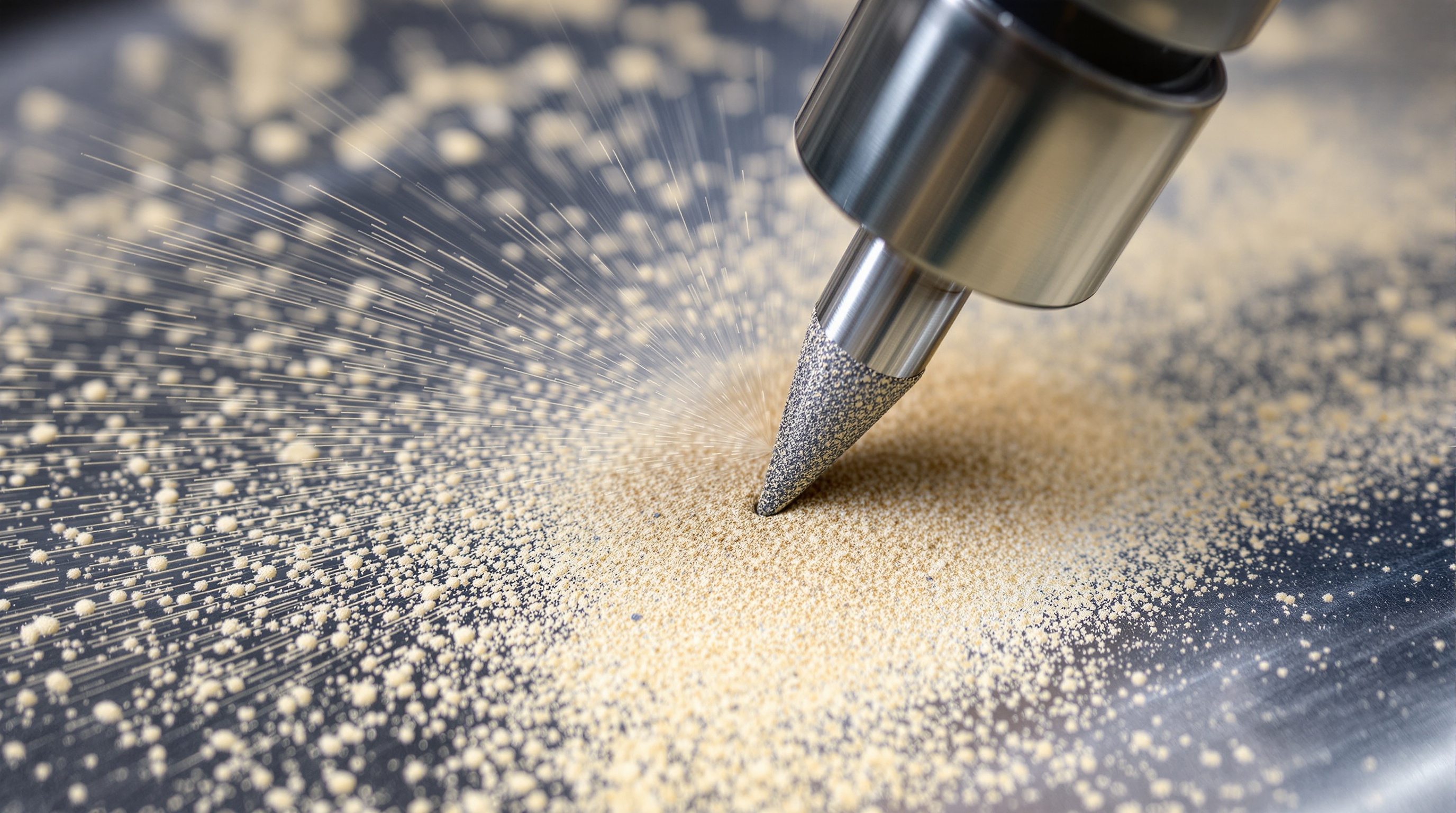
Each aerospace alloy receives tailored preparation for maximum corrosion barrier adhesion. Titanium, aluminum, and steel substrates follow different cleaning and profiling sequences. Ultrasonic cleaning removes contaminants, and precision masking protects critical surfaces, threads, and bearing areas from any coating buildup.
Controlled Corrosion Barrier Application
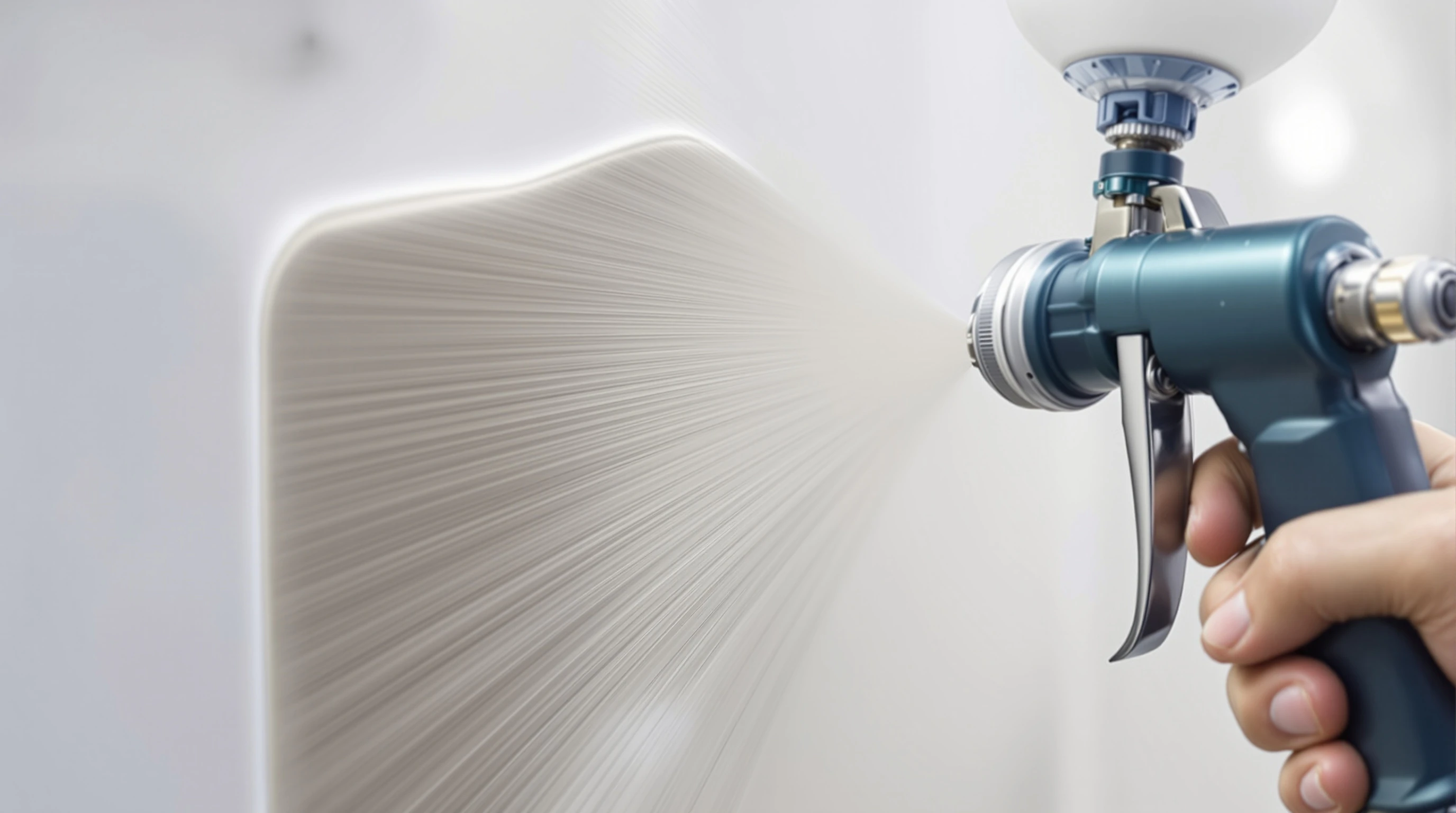
Cerakote is applied via calibrated HVLP equipment in monitored layers targeting 0.5-2 mil thickness. In-process DFT measurements confirm dimensional compliance on every part. Application parameters, including air pressure, distance, and layer count, are documented for full AS9100 traceability.

Precision Curing and Corrosion Verification
Parts cure per the prescribed schedule in temperature-monitored ovens. Final inspection verifies coating thickness, adhesion per ASTM D3359, and visual integrity. Salt spray test coupons from each production batch validate 4,000+ hour corrosion performance. Certificate of Conformance documents all results.

Proven Corrosion Protection for Aerospace
Corrosion protection performance is verified through standardized ASTM testing, not manufacturer claims. Every production batch undergoes the same quality checks under AS9100 controls, and results are documented on your Certificate of Conformance with full lot traceability.
4,000+ hours salt spray resistance
Validated against ASTM B117, the standard used across the aerospace industry to qualify corrosion protection coatings. In comparative testing, competitor Xylan coating was pulled at 1,871 hours due to excessive corrosion, making Cerakote 87% superior. Aerospace customers can specify additional testing requirements, and we document those results alongside our standard quality package.
Hours salt spray resistance (ASTM B117)

Other services to consider
Explore what else we offer.

Weight Reduction for Oil and Gas Equipment
Thick coatings add mass to equipment transported to remote wellsites and offshore platforms. Cerakote at 0.5-2 mils saves 200-400g per part versus powder coating. ISO 9001 certified.
Weight Reduction for Medical Device Components
Surgical instruments must be light enough for hours of precise use. Cerakote at 0.5-2 mils saves 200-400g per part versus powder coating without compromising protection. ISO 9001 certified.

Weight Reduction for Maritime Equipment
Heavy coatings add mass to marine hardware that affects vessel performance and handling. Cerakote at 0.5-2 mils saves 200-400g per part versus powder coating. ISO 9001 certified.
Weight Reduction for Industrial OEM Components
Thick coatings add unnecessary mass to engineered equipment. Cerakote at 0.5-2 mils delivers 200-400g savings per part versus powder coating while preserving tolerances. ISO 9001 certified.
Certified and compliant for your industry
Protect Your Aerospace Parts
Submit a corrosion protection RFP. We respond within 24 hours with approach and pricing.
Frequently Asked Questions
Find answers about our coating processes and technical capabilities
The Cerakote color catalog includes 200+ standard colors across the H-Series, Elite, and V-Series product lines. Standard colors ship from NIC Industries inventory, which means no custom formulation lead time. For applications requiring a specific non-standard color, custom formulation through Cerakote is possible but involves higher cost and additional development time. We help you identify the closest standard color match before recommending custom formulation.
At 0.5 to 2 mils, Cerakote adds minimal dimensional change to coated surfaces, preserving press fits, bearing clearances, thread engagement, and mating surface tolerances. Powder coat at 4 to 6 mils often requires masking critical surfaces or post-coat machining to restore dimensions. Cerakote eliminates this added cost and complexity while still providing full corrosion and wear protection across the entire part surface.
Color consistency on large aerospace programs requires controlled material batches, documented application parameters, and spectrophotometer verification on every production lot. We record coating material lot numbers, spray parameters, cure profiles, and Delta E measurements as part of our AS9100 quality system. This documentation ensures that parts produced on day one of a multi-month program match parts produced on the final day, verified by instrument, not visual judgment alone.
Yes. The Cerakote catalog includes 200+ standard colors. For custom color matching, we work with the Cerakote formulation system to match your specification or physical sample. Color consistency is verified by spectrophotometer to Delta E 1.5, meaning the coated part is visually indistinguishable from the target. Custom color development typically adds 5-7 business days to the initial order while the match is validated and documented.
The ceramic component in Cerakote's hybrid matrix provides the hardness, reaching 9H on the ASTM D3363 pencil hardness scale, while the polymer component provides flexibility and adhesion. This combination resists both sliding abrasion and impact erosion at 4,000 cycles per mil (ASTM D4060). Surface preparation via media blasting at 80-100 PSI creates the mechanical profile that anchors the coating to the substrate, preventing delamination under sustained abrasive contact.