
Corrosion Protection for Agriculture Equipment
Precision Cerakote ceramic coatings for aerospace, defense, and industrial components.


The Corrosion Problem in Agriculture
Where idle storage accelerates equipment failure
The challenge
Harsh environments demand coatings that hold.
The solution
ColoradoKote ceramic coating stops corrosion cold.
Why Cerakote for Agriculture Corrosion Protection
Protection that lasts the full season and beyond

Chemical resistance for agricultural exposure
4,000+ hours salt spray resistance (ASTM B117) combined with resistance to fertilizers, pesticides, and herbicides. Equipment stays protected through the growing season and months of idle storage. This performance far exceeds standard paint and powder coating durability in agricultural chemical environments.
Tolerance preservation at 0.5-2 mils
Thin-film application maintains dimensional accuracy on hydraulic fittings, threaded connections, and mating surfaces. Powder coating at 3-5 mils distorts precision components and requires post-coating thread chasing. Cerakote preserves function without modification.
ISO 9001 quality documentation
Every coating job is documented under ISO 9001:2015 quality controls. Certificate of Conformance includes coating thickness, adhesion results, and material batch numbers. Consistent documentation supports equipment manufacturer quality requirements across production runs.
Multi-substrate compatibility
Cerakote bonds to steel, aluminum, and stainless steel, covering the full range of agricultural equipment substrates. One coating partner and one process replaces multiple material-specific vendors. Color consistency at Delta E ≤1 maintains uniform appearance across mixed-metal assemblies.
Corrosion Specs for Agriculture Equipment

How We Deliver Corrosion Protection for Agriculture
Controlled application for consistent field performance across seasons
Surface Preparation for Agricultural Components
Components are cleaned, degreased, and media-blasted to create the surface profile required for maximum corrosion barrier adhesion. Masking protects threads, bearing surfaces, and hydraulic sealing areas. Proper preparation is the foundation of coating durability in chemical-exposure and soil-contact applications.
Cerakote Corrosion Barrier Application
Thin-film ceramic-polymer hybrid is applied via calibrated HVLP spray at 0.5-2 mil thickness. This controlled thickness preserves dimensional tolerances on hydraulic fittings and mating surfaces while delivering full corrosion protection against agricultural chemicals and moisture.

Quality Inspection and Documentation
Final inspection verifies coating thickness, adhesion, and visual appearance against order specifications. Certificate of Conformance documents all measurements and material batch records. Consistent inspection standards ensure every part meets the same corrosion protection criteria regardless of batch size.

Proven Corrosion Protection for Agriculture
Corrosion protection performance is verified through standardized ASTM testing under ISO 9001 quality controls. Results are documented on your Certificate of Conformance for production traceability.
4,000+ hours salt spray resistance
Validated against ASTM B117. For agricultural equipment, this translates to extended protection through multiple growing seasons and idle storage periods. Components resist the combined chemical and moisture exposure that degrades standard paint and powder coating within months of field service.
Hours salt spray resistance (ASTM B117)

Other services to consider
Explore what else we offer.

Weight Reduction for Oil and Gas Equipment
Thick coatings add mass to equipment transported to remote wellsites and offshore platforms. Cerakote at 0.5-2 mils saves 200-400g per part versus powder coating. ISO 9001 certified.

Weight Reduction for Medical Device Components
Surgical instruments must be light enough for hours of precise use. Cerakote at 0.5-2 mils saves 200-400g per part versus powder coating without compromising protection. ISO 9001 certified.

Weight Reduction for Maritime Equipment
Heavy coatings add mass to marine hardware that affects vessel performance and handling. Cerakote at 0.5-2 mils saves 200-400g per part versus powder coating. ISO 9001 certified.
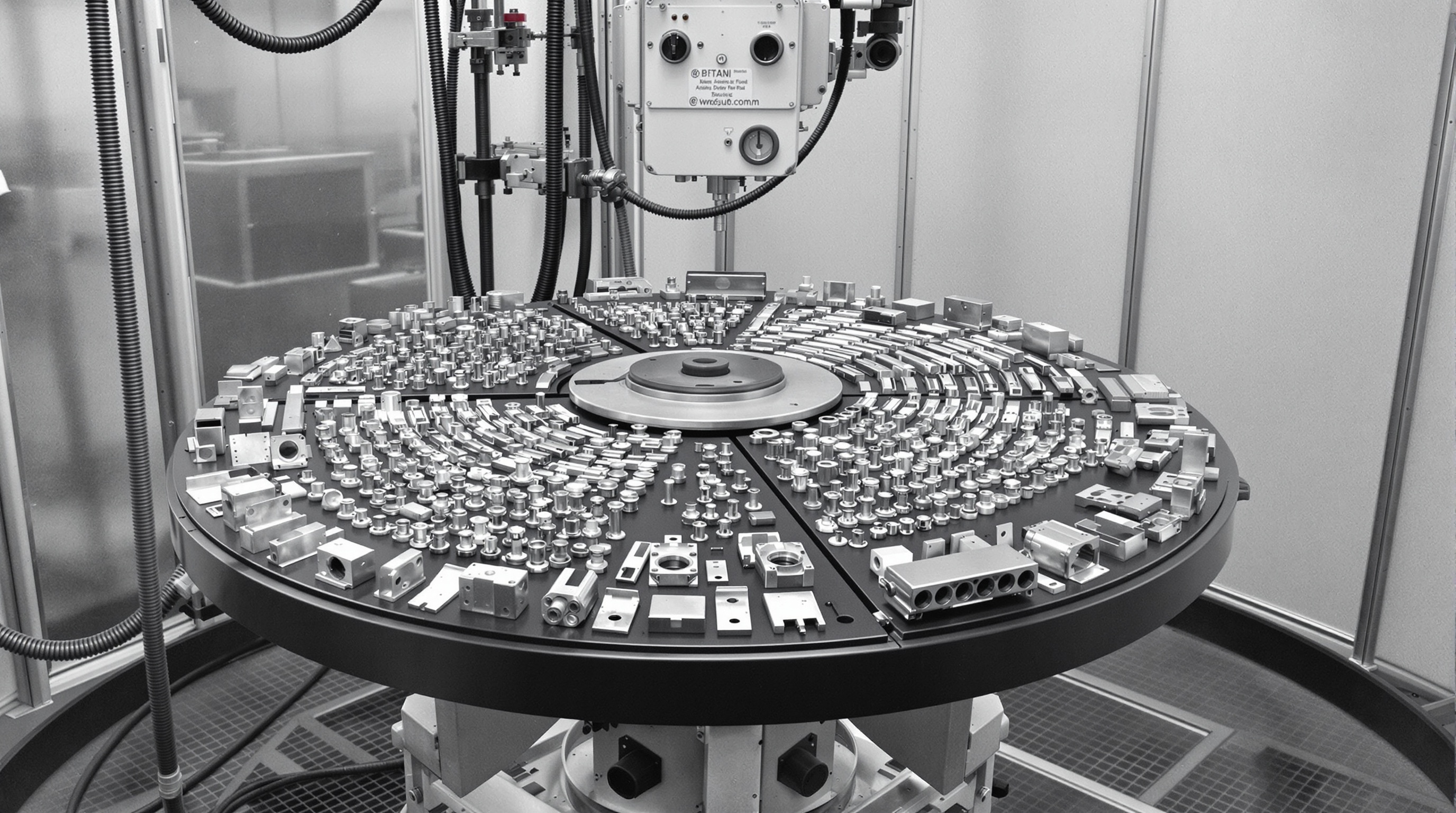
Weight Reduction for Industrial OEM Components
Thick coatings add unnecessary mass to engineered equipment. Cerakote at 0.5-2 mils delivers 200-400g savings per part versus powder coating while preserving tolerances. ISO 9001 certified.
Certified and compliant for your industry


Protect Your Farm Equipment
Submit a corrosion protection RFP. We respond within 24 hours with recommendations.
Frequently Asked Questions
Find answers about our coating processes and technical capabilities
V-Series Cerakote is air-cured and rated to 2,000 degrees F, making it ideal for exhaust manifolds, headers, turbo housings, and heat shields. H-Series protects engine bay brackets, reservoirs, and dress components with 3,000 hours salt spray resistance (ASTM B117) against road salt and chemical exposure. Both series add only 0.5-2 mils of thickness, preserving bolt patterns and gasket surfaces on precision engine components.
AM parts used in functional applications like jigs, fixtures, tooling, and end-use mechanical components benefit from Cerakote's 9H hardness and 4,000 cycles per mil abrasion resistance. The coating transforms the relatively soft surface of SLS nylon or the porous surface of metal AM into a hardened, wear-resistant finish. This extends the service life of AM production tooling and makes printed parts viable for high-wear applications.
Yes. Engine blocks, intake manifolds, valve covers, and exhaust components all receive blast preparation tailored to the substrate material and operating temperature. Exhaust components destined for V-Series Cerakote (rated to 2,000 degrees F) are blasted to ensure adhesion under extreme thermal cycling. Aluminum engine components receive media selected to avoid iron contamination. All automotive blast work follows the same documented process controls as our aerospace operations.
Yes. Valve bodies, flow restrictors, and downhole tool components with internal passages and complex geometries receive targeted blast preparation. Nozzle selection and blast angle are adjusted to reach recessed areas and internal surfaces. Critical sealing surfaces and threads are masked before blasting. The goal is complete SP 10 preparation on all surfaces that will receive coating, while protecting dimensions and features that must remain uncoated.
H-Series is the standard for corrosion protection, delivering 3,000 hours salt spray resistance (ASTM B117) and operating up to 500 degrees F continuous. Elite Series adds the same corrosion performance with a ~0.11 coefficient of friction for moving parts in corrosive environments. V-Series is rated to 2,000 degrees F for high-temperature corrosive service like exhaust systems and flare equipment. We select the series based on your operating temperature, chemical exposure, and whether moving surfaces require dry lubrication.