
Corrosion Protection for Automotive R&D
Precision Cerakote ceramic coatings for aerospace, defense, and industrial components.
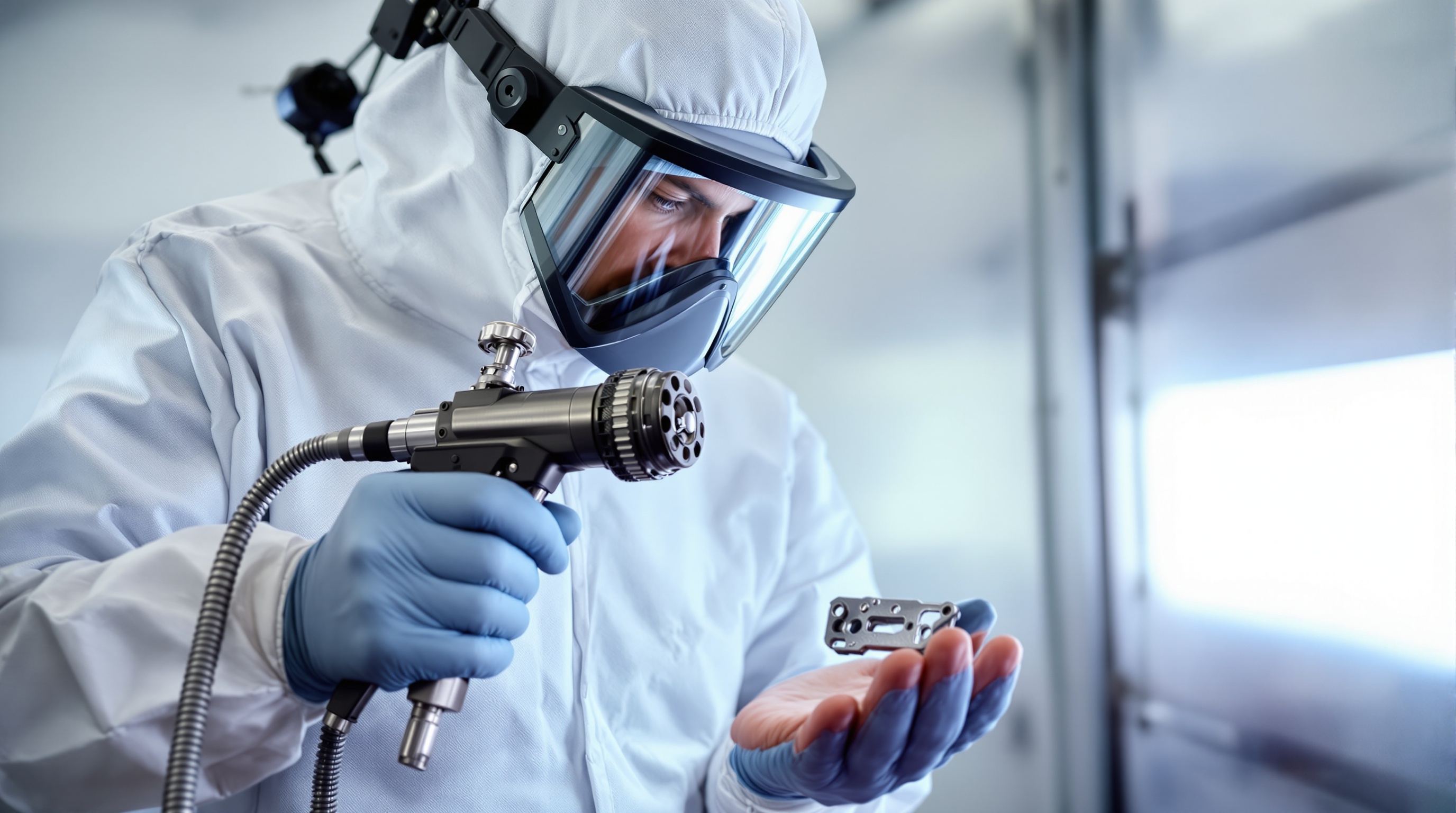
The Corrosion Problem in Automotive R&D
Prototypes must pass production-grade testing
The challenge
Harsh environments demand coatings that hold.
The solution
ColoradoKote ceramic coating stops corrosion cold.
Why Cerakote for Automotive Corrosion Protection
Production-grade protection on prototype timelines

Salt spray performance that passes validation
4,000+ hours salt spray resistance (ASTM B117) gives prototypes the corrosion data needed for engineering validation sign-off. This exceeds anodizing (336-1,000 hours) and powder coating performance, providing margin for accelerated cyclic testing and under-hood chemical exposure evaluations.
Thin-film weight advantage at 0.5-2 mils
Every gram matters in EV range calculations. Cerakote adds 0.5-2 mils versus 3-5 mils for powder coating, resulting in 200-400 g less weight per component. Across a prototype with 200 or more coated parts, the savings reach pounds of total coating weight that directly affects range estimates.
Documented results for engineering review
Certificate of Conformance includes coating thickness, adhesion data, and color measurements verified by spectrophotometer. ISO 9001 quality controls ensure consistent, traceable results that satisfy engineering validation requirements. Documentation supports test data packages for program milestones.
Multi-substrate coverage from one source
Carbon fiber, aluminum, titanium, steel, and 3D-printed metal components all receive corrosion protection from one coating partner. Color consistency at Delta E ≤1 across all substrates eliminates visible variation on prototype assemblies. One vendor replaces four to six material-specific coating suppliers.
Corrosion Protection Specs for Automotive R&D
How We Deliver Corrosion Protection for Automotive
Multi-substrate process built for prototype speed and R&D deadlines
Multi-Substrate Assessment and Preparation
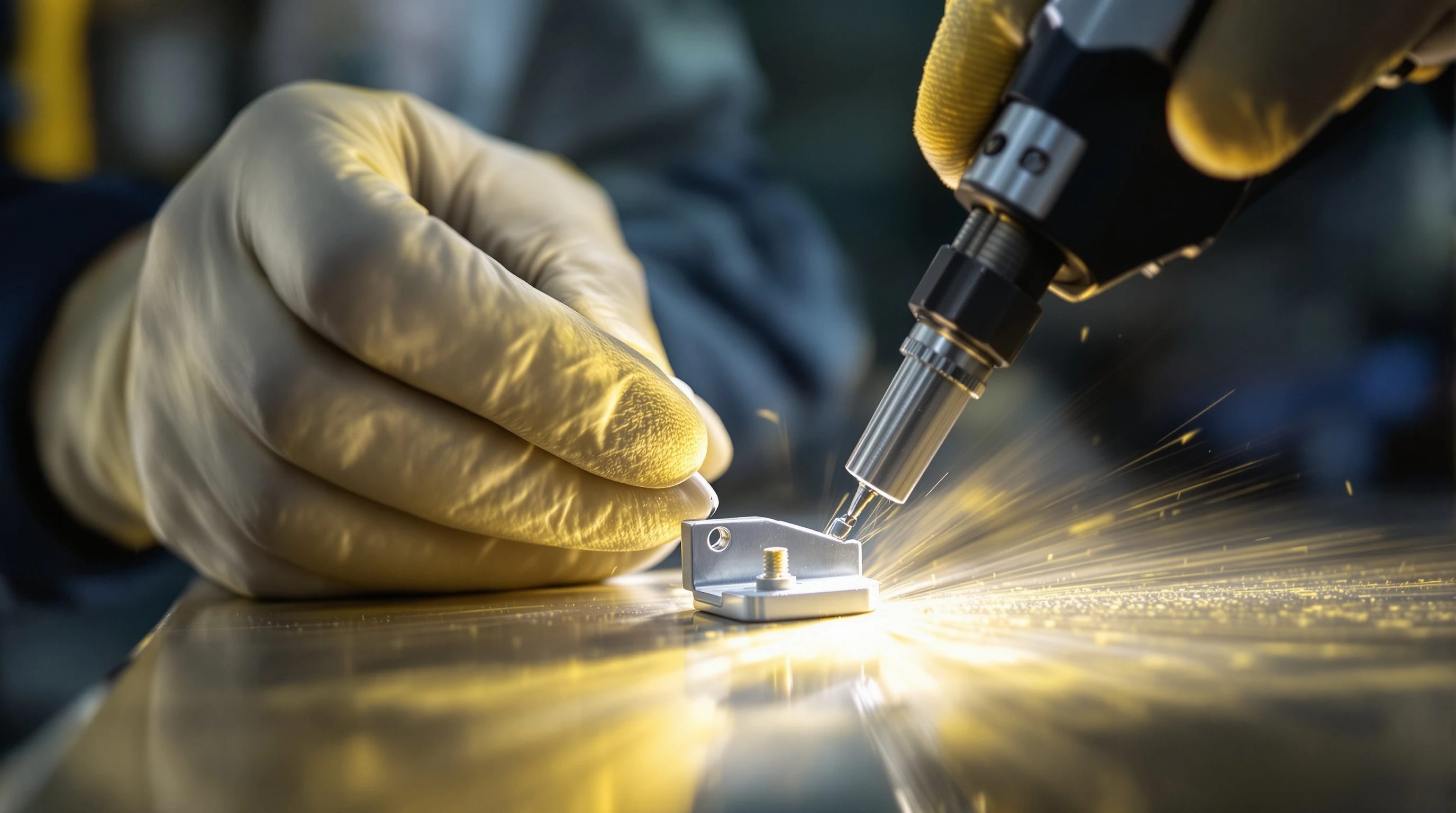
Parts arrive and our team evaluates each substrate material for corrosion protection requirements. Carbon fiber receives light scuff sanding and ultrasonic cleaning. Aluminum undergoes MIL-DTL-5541 conversion coating for enhanced adhesion. Titanium and steel follow tailored blasting profiles. Masking protects critical surfaces and mating areas across all materials in the batch.

Corrosion Barrier Coating Application
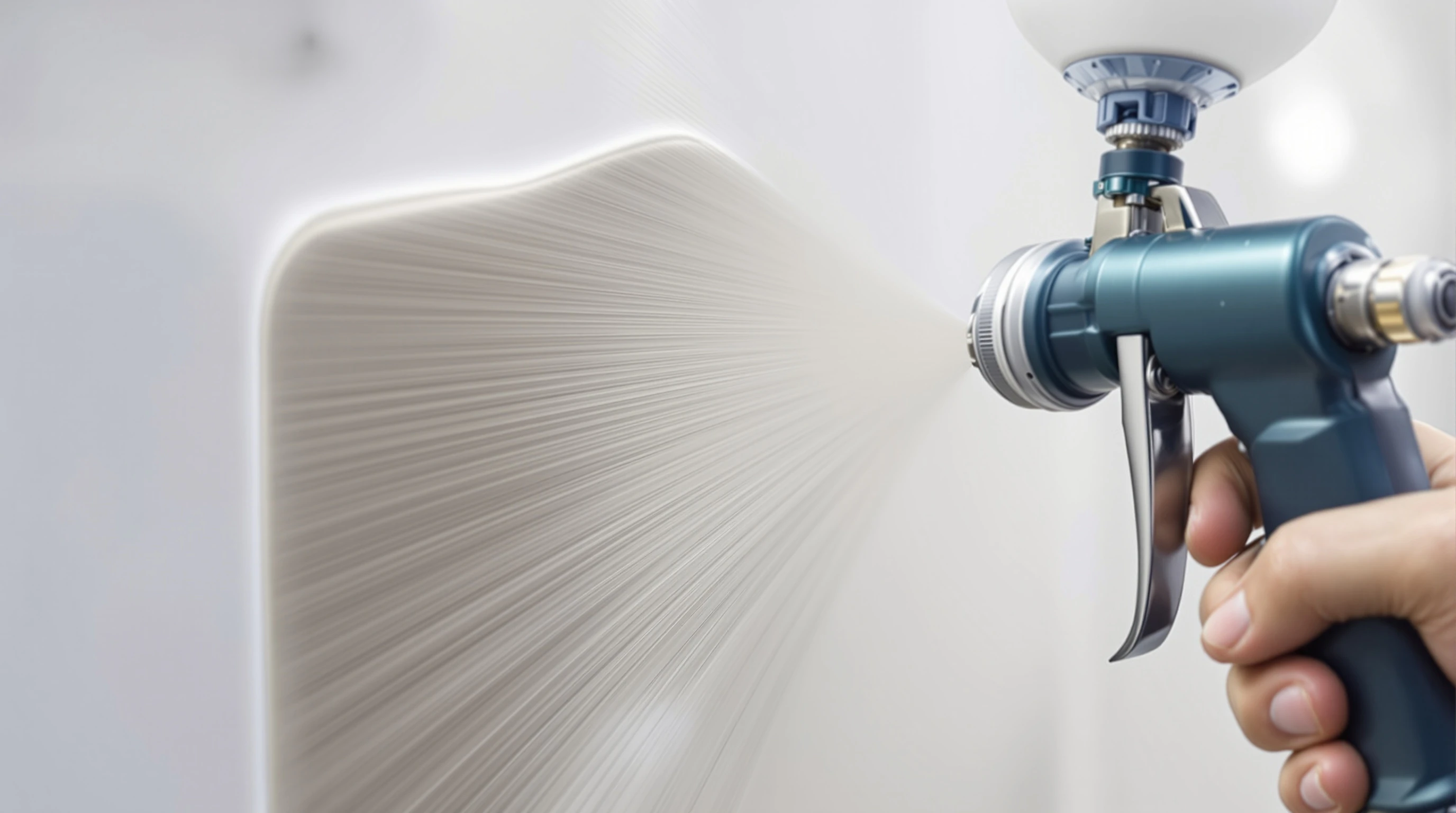
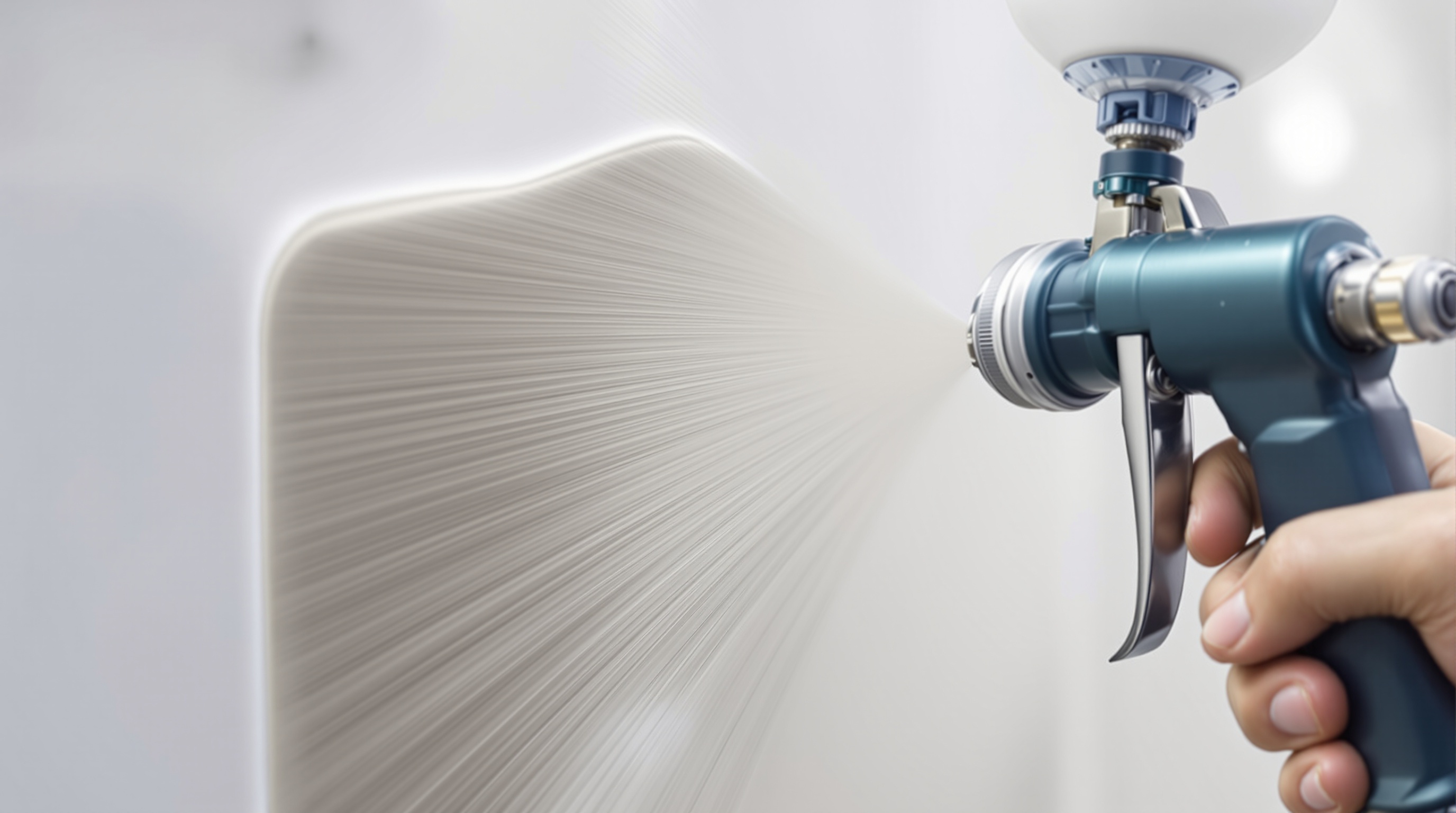
Cerakote is applied at 0.5-2 mil thickness via calibrated HVLP equipment, building a uniform corrosion barrier across all substrate types. Color is verified by spectrophotometer to maintain Delta E ≤1 consistency between carbon fiber panels and metal enclosures. In-process DFT measurements confirm thickness on every part.
Curing and Validation Documentation
Parts cure at 250-300 F in temperature-controlled ovens, below the post-cure threshold for carbon fiber composites. Final inspection verifies thickness, adhesion, and color consistency. Certificate of Conformance documents all measurements for engineering validation review. Expedited options are available for auto show and milestone deadlines.

Proven Corrosion Protection for Automotive R&D
Corrosion protection performance is verified through the same standardized ASTM testing used in automotive validation programs. Results are documented under ISO 9001 quality controls and included on your Certificate of Conformance for engineering review.
4,000+ hours salt spray resistance
Validated against ASTM B117, the standard referenced in automotive accelerated corrosion testing protocols. This performance provides margin above typical validation requirements, reducing the risk of re-testing delays that push prototype deadlines. Results apply across all substrate materials in your prototype assembly.
Hours salt spray resistance (ASTM B117)

Other services to consider
Explore what else we offer.

Weight Reduction for Oil and Gas Equipment
Thick coatings add mass to equipment transported to remote wellsites and offshore platforms. Cerakote at 0.5-2 mils saves 200-400g per part versus powder coating. ISO 9001 certified.

Weight Reduction for Medical Device Components
Surgical instruments must be light enough for hours of precise use. Cerakote at 0.5-2 mils saves 200-400g per part versus powder coating without compromising protection. ISO 9001 certified.

Weight Reduction for Maritime Equipment
Heavy coatings add mass to marine hardware that affects vessel performance and handling. Cerakote at 0.5-2 mils saves 200-400g per part versus powder coating. ISO 9001 certified.
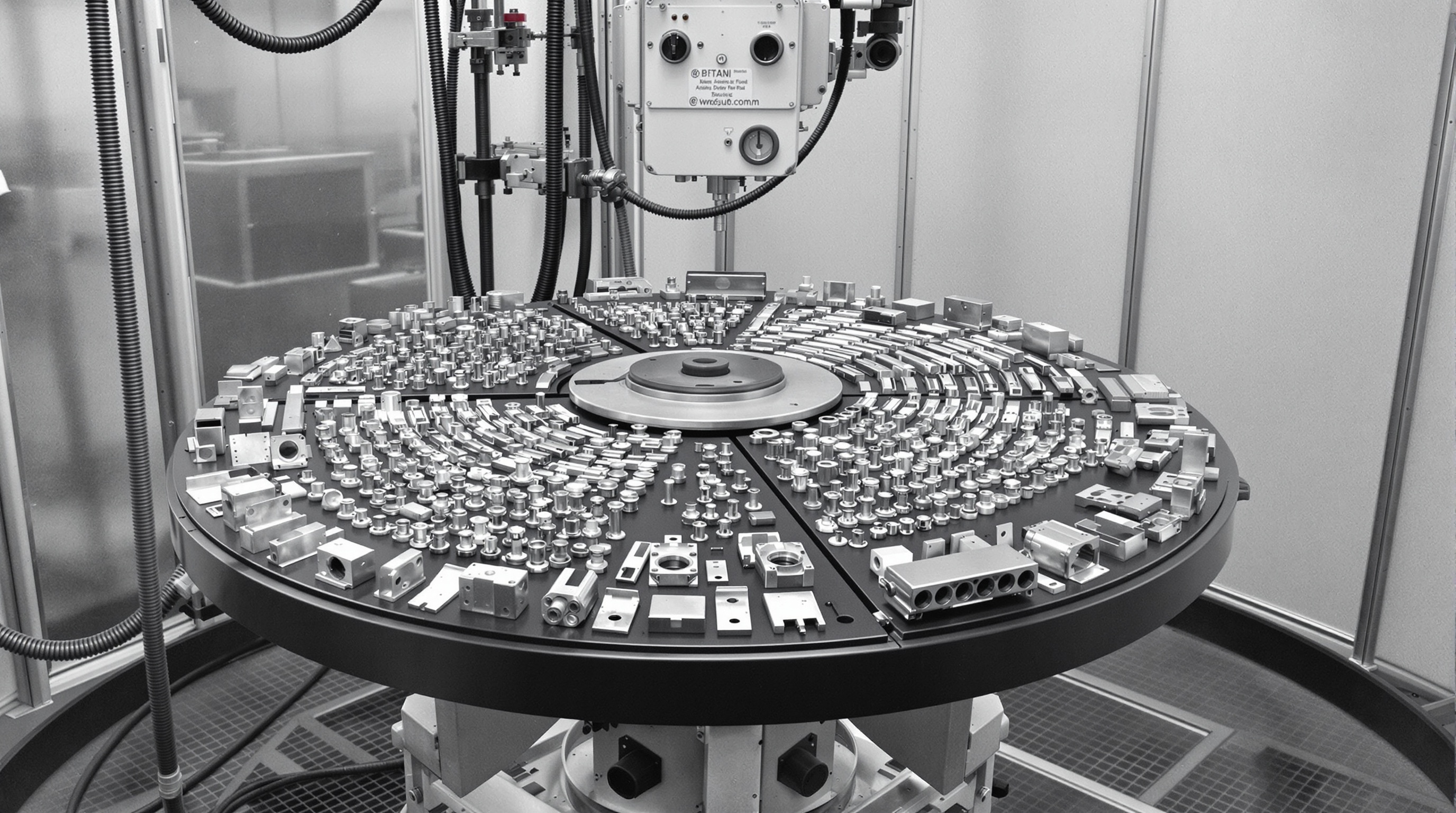
Weight Reduction for Industrial OEM Components
Thick coatings add unnecessary mass to engineered equipment. Cerakote at 0.5-2 mils delivers 200-400g savings per part versus powder coating while preserving tolerances. ISO 9001 certified.
Certified and compliant for your industry


Protect Your Prototype Parts
Submit a corrosion protection RFP with your prototype specs. We respond within 24 hours.
Frequently Asked Questions
Find answers about our coating processes and technical capabilities
ColoradoKote coats downhole tools, valve bodies, pipeline fittings, pump housings, and wellhead components exposed to extreme corrosion, high temperatures, and abrasive conditions. Cerakote's 3,000-hour salt spray performance and temperature range from -40°F to 2,000°F make it engineered for the conditions oil and gas equipment faces in service. Our combined prep-and-coat capability handles the full process in one facility.
Yes. Metal additive parts often have micro-porosity that compromises corrosion resistance and fatigue life. Cerakote penetrates and seals surface-connected porosity during application, creating a continuous barrier against moisture and chemical ingress. Combined with our chemical conversion coating and passivation pre-treatments, the full stack addresses both surface and subsurface porosity for corrosion protection rated at 3,000 hours salt spray (ASTM B117).
Yes. We perform chemical conversion coating per MIL-DTL-5541 on aluminum substrates followed by Cerakote ceramic topcoat, all under one roof. This combined stack eliminates the need to ship parts between vendors, reducing lead time and handling risk. Our 14-day standard turnaround with 3-day and 7-day expedited options keeps your production schedule on track.
Polymer coating creates a continuous, flexible barrier between the metal substrate and corrosive environments. Unlike rigid coatings that can crack under mechanical or thermal stress and expose the substrate, polymer coatings flex with the component while maintaining barrier integrity. This flexibility is the key advantage for corrosion protection in applications involving vibration, thermal cycling, or mechanical deflection. For maximum corrosion protection, we recommend the full surface preparation stack: blast, conversion coating where applicable, then polymer.
Cerakote application does not introduce hydrogen into the substrate, unlike electroplating processes that carry embrittlement risk on high-strength steels (above Rockwell C 39). Surface preparation uses media blasting at 80-100 PSI rather than acid pickling, further eliminating hydrogen exposure. This makes Cerakote a safer alternative to chrome and cadmium plating on critical oilfield components where embrittlement-induced failure is a safety concern.