
Corrosion Protection for Industrial OEM
Precision Cerakote ceramic coatings for aerospace, defense, and industrial components.
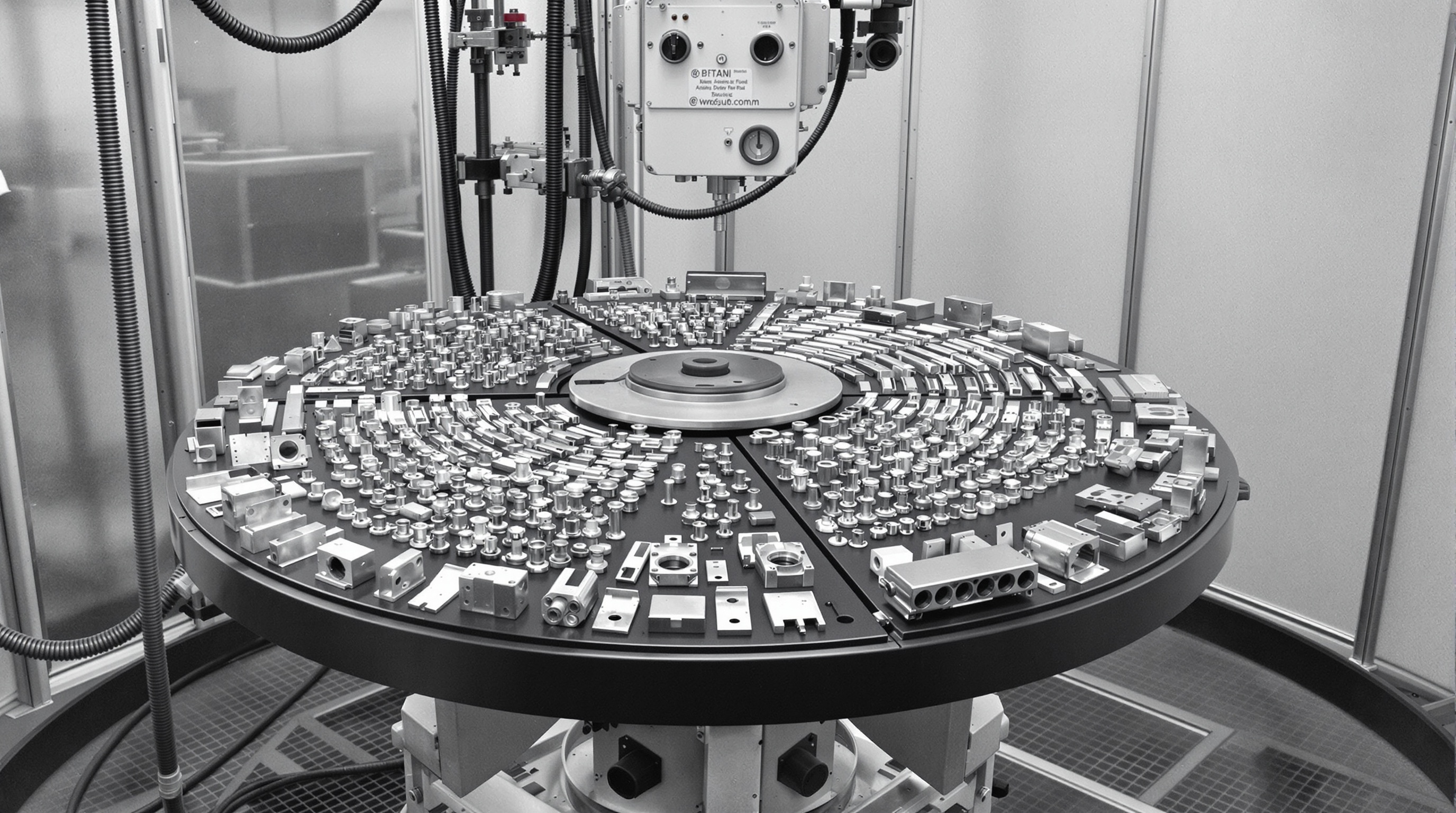
The Corrosion Problem in Industrial OEM
Where downtime costs thousands per hour
The challenge
Harsh environments demand coatings that hold.
The solution
ColoradoKote ceramic coating stops corrosion cold.
Why Cerakote for Industrial Corrosion Protection
Outlasts powder coating by two to three times

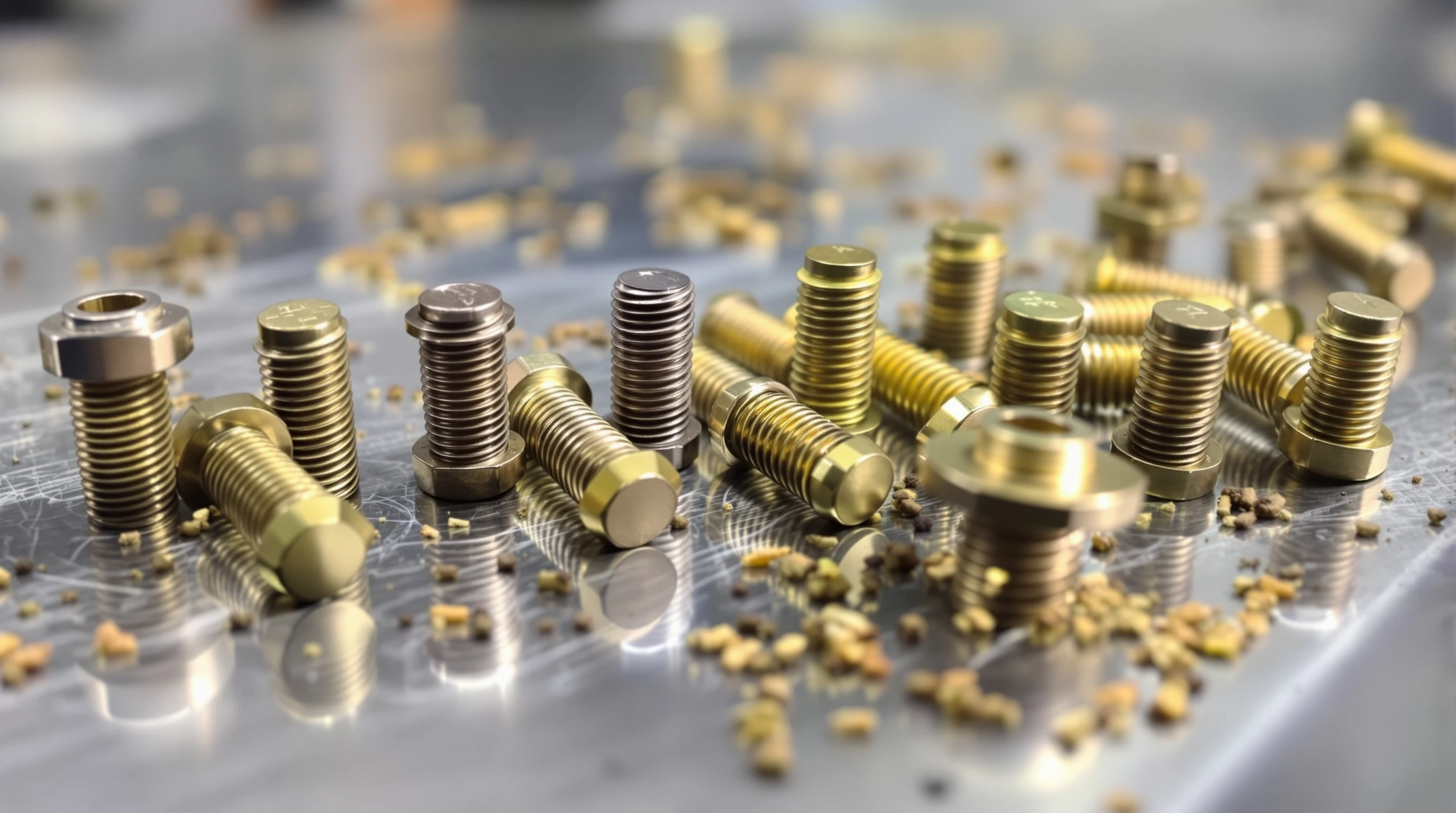
Extended corrosion resistance
4,000+ hours salt spray resistance (ASTM B117) versus 1,000 to 2,000 hours for powder coating. Industrial components stay protected through years of chemical exposure, moisture contact, and wash-down cycles. Cerakote also eliminates the hazardous waste concerns associated with chrome plating.
Tolerance preservation at 0.5-2 mils
Thin-film application maintains tight clearances on precision assemblies. Threaded fasteners remain functional, bearing fits hold specification, and mating surfaces require no post-coating modification. Powder coating at 3-5 mils distorts these critical dimensions on industrial equipment.
ISO 9001 documented quality
Every coating parameter is documented under ISO 9001:2015 quality controls. Certificate of Conformance includes material batch numbers, application data, cure records, and inspection measurements. Documentation supports customer audit requirements and warranty traceability.
One coating for all industrial substrates
Cerakote bonds to aluminum, steel, stainless steel, and titanium without requiring separate processes or vendors. Consolidate multi-vendor procurement into one partner with one quality system. Color consistency at Delta E ≤1 eliminates visible variation between components made from different metals.
Corrosion Protection Specs for Industrial OEM
How We Deliver Corrosion Protection for Industrial
ISO 9001 quality controls from intake through final inspection and shipment
Industrial Surface Preparation
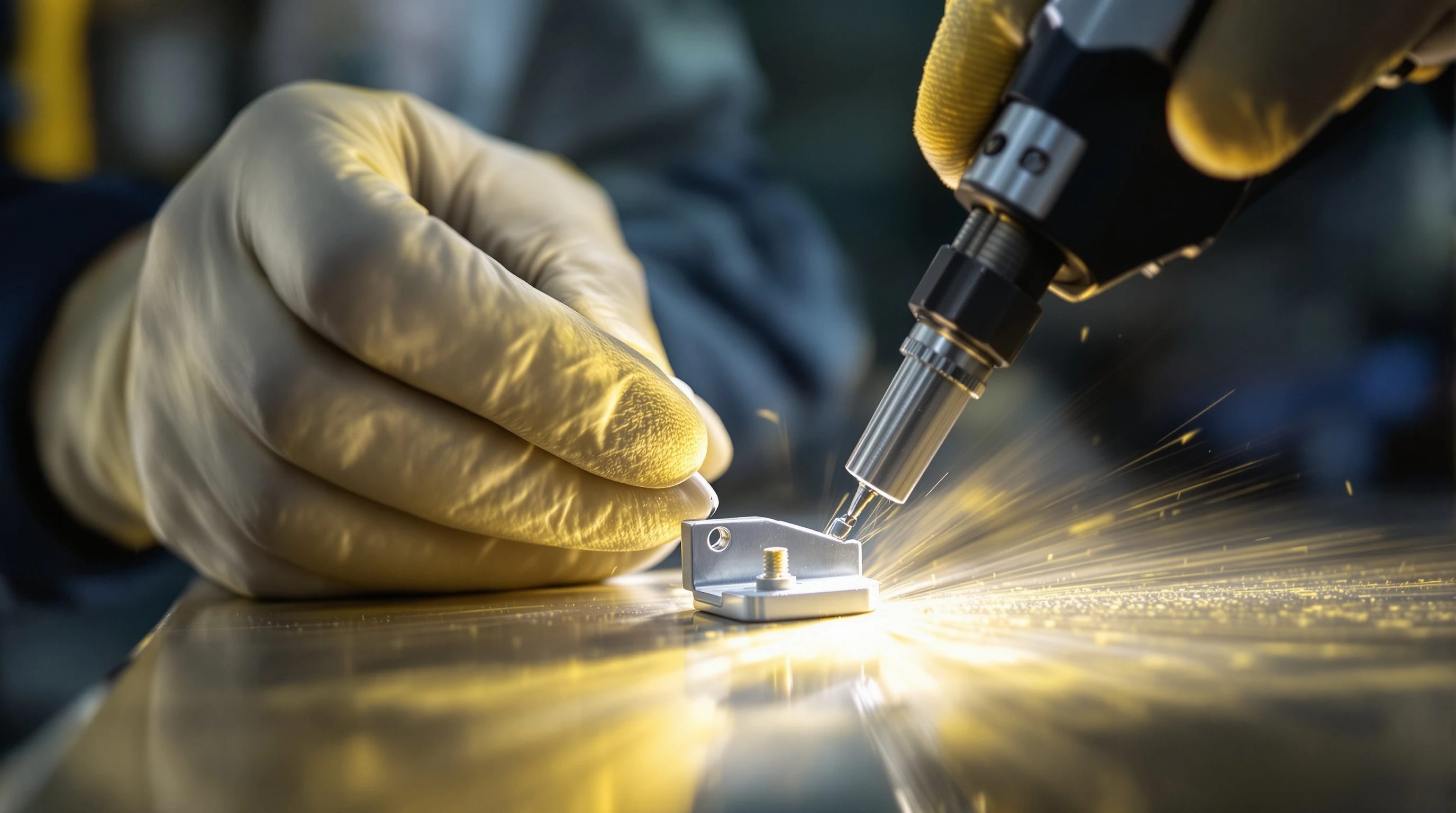
Components are cleaned via ultrasonic bath and degreased to remove oils, cutting fluids, and manufacturing contaminants. Tailored media blasting creates the surface profile required for maximum corrosion barrier adhesion. Masking protects threaded holes, bearing journals, O-ring grooves, and mating surfaces where zero buildup is required.

Corrosion Barrier Coating Application
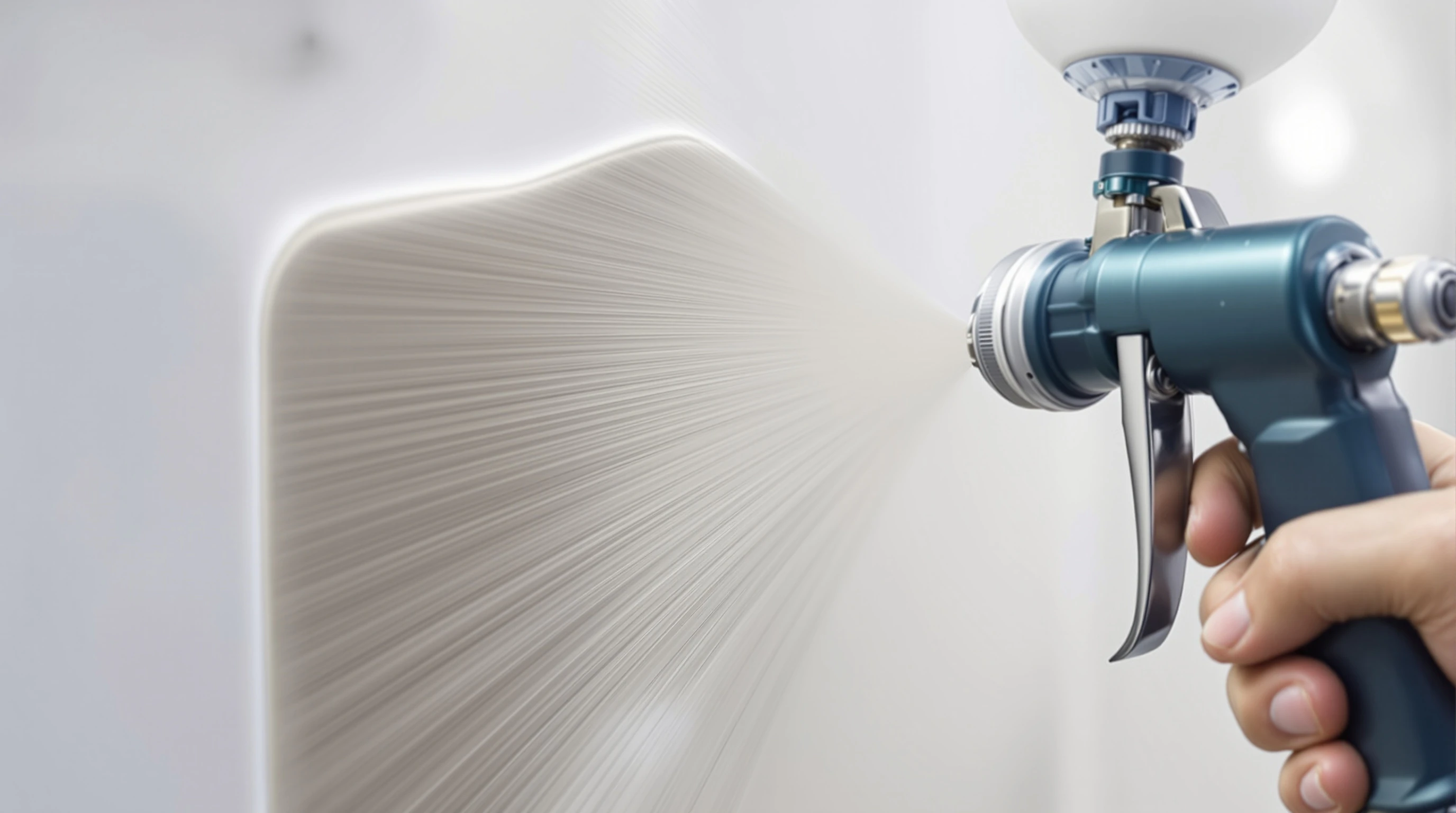
Cerakote is applied via calibrated HVLP spray equipment at 0.5-2 mil thickness, building a continuous barrier against chemical and moisture exposure. The same formulation bonds to aluminum, steel, and stainless steel, eliminating the need for substrate-specific processes. In-process DFT measurements confirm thickness compliance.

Quality Inspection and Documentation
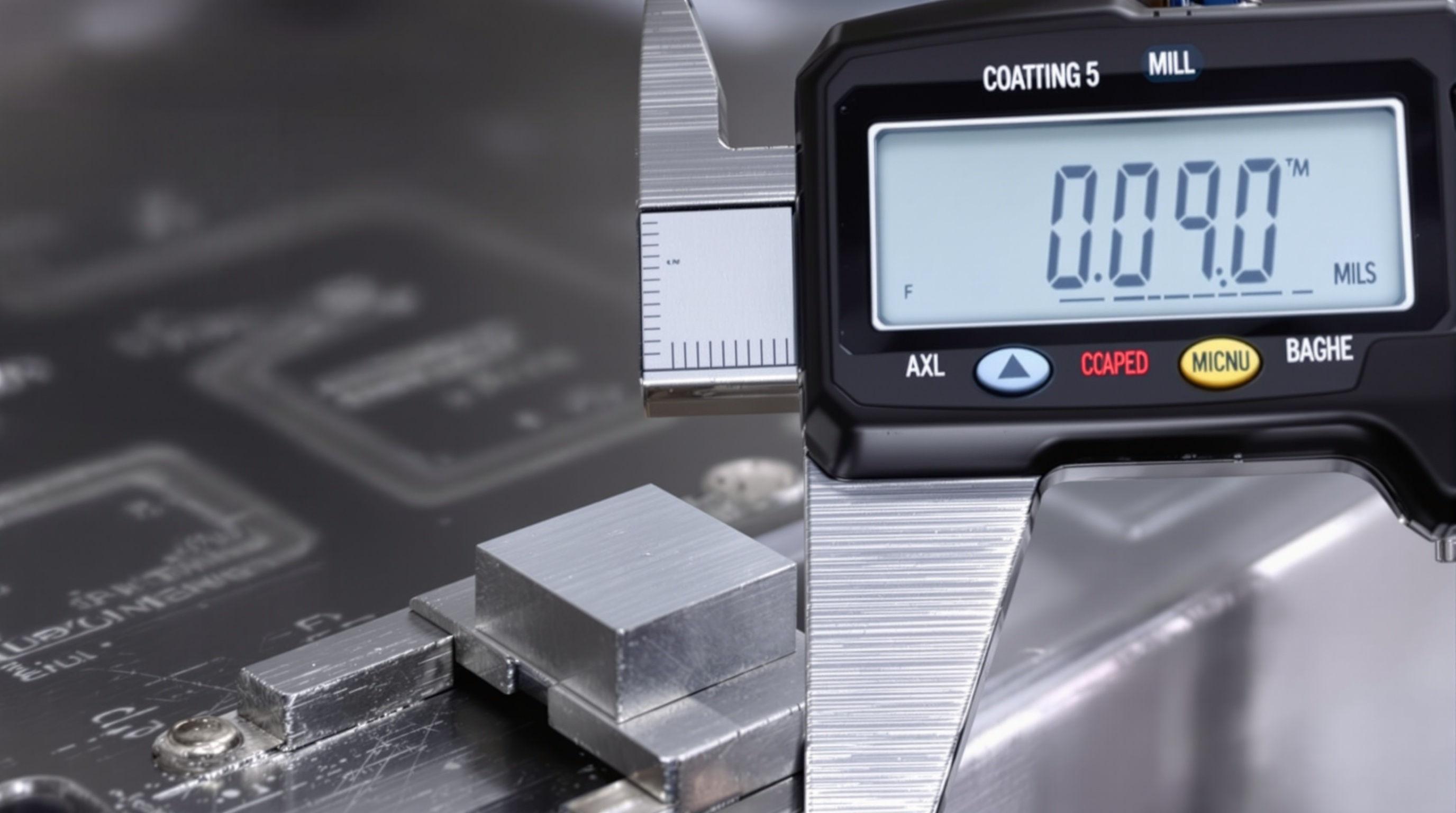
Multi-point final inspection verifies coating thickness, adhesion per ASTM D3359, color consistency, and visual appearance. Certificate of Conformance documents all measurements, material batch numbers, and process parameters. ISO 9001 quality records provide full traceability for customer audits.
Proven Corrosion Protection for Industrial OEM
Corrosion protection performance is verified through standardized ASTM testing under ISO 9001 quality controls. Every production batch is documented, and results are included on your Certificate of Conformance with full lot traceability for audit purposes.
4,000+ hours salt spray resistance
Validated against ASTM B117, the industry standard for evaluating corrosion protection in aggressive environments. For industrial OEMs, this translates to years of protection on equipment exposed to chemicals, moisture, and wash-down conditions. Customers can specify additional chemical resistance testing per ASTM D1308.
Hours salt spray resistance (ASTM B117)
Other services to consider
Explore what else we offer.

Weight Reduction for Oil and Gas Equipment
Thick coatings add mass to equipment transported to remote wellsites and offshore platforms. Cerakote at 0.5-2 mils saves 200-400g per part versus powder coating. ISO 9001 certified.

Weight Reduction for Medical Device Components
Surgical instruments must be light enough for hours of precise use. Cerakote at 0.5-2 mils saves 200-400g per part versus powder coating without compromising protection. ISO 9001 certified.

Weight Reduction for Maritime Equipment
Heavy coatings add mass to marine hardware that affects vessel performance and handling. Cerakote at 0.5-2 mils saves 200-400g per part versus powder coating. ISO 9001 certified.
Weight Reduction for Industrial OEM Components
Thick coatings add unnecessary mass to engineered equipment. Cerakote at 0.5-2 mils delivers 200-400g savings per part versus powder coating while preserving tolerances. ISO 9001 certified.
Certified and compliant for your industry


Protect Your Industrial Equipment
Send part details for a corrosion protection RFP. We respond within 24 hours with pricing.
Frequently Asked Questions
Find answers about our coating processes and technical capabilities
We handle industrial passivation batch orders of varying sizes with a 14-day standard turnaround, plus 7-day and 3-day expedited options for production-critical schedules. Our track record of over 20,000 parts with zero quality issues means consistent results whether you are sending 50 pieces or 5,000. Contact us with your stainless alloy, quantity, and spec requirements for a detailed quote.
Yes. Drivetrain components including transmission cases, differential housings, and transfer case components accumulate gear oil, ATF residue, and metallic wear particles in every internal surface and crevice. Ultrasonic cavitation penetrates bearing bores, oil channels, and casting details to remove these contaminants completely. For drivetrain components being Cerakote coated for corrosion protection and heat management, thorough removal of petroleum contaminants is essential to prevent fish-eye defects and adhesion failures.
Yes. Our blast operations run in a dedicated cabinet with controlled media flow, filtered exhaust, and humidity monitoring. Contamination from prior substrates is prevented through media segregation and cabinet purging between material types. This matters for aerospace because cross-contamination, particularly iron transfer to titanium or aluminum, causes corrosion initiation sites that undermine the entire coating system. All controls are documented under AS9100.
SLS nylon (PA12, PA11) parts have characteristic grainy texture with Ra 8-15 micrometers from the sintering process. Our post-processing sequence, 40-60 PSI blasting followed by Cerakote at 0.5-2 mils, fills the inter-particle voids and levels the surface to below Ra 3 micrometers. The result is a smooth, sealed surface with consistent color that looks and feels like an injection-molded part rather than a 3D print. This finish quality opens AM parts to customer-facing and production applications.
The sub-micron chemical conversion layer provides the adhesion foundation that keeps topcoats bonded permanently to aluminum. ColoradoKote pairs this with Cerakote finishes that hold color consistency within Delta E 1.5, batch after batch. Whether you need exact color matching for branded equipment, medical device housings, or consumer products, the chem conversion plus Cerakote stack delivers lasting aesthetics backed by 3,000 hours of salt spray resistance.