
Corrosion Protection for Maritime
Precision Cerakote ceramic coatings for aerospace, defense, and industrial components.

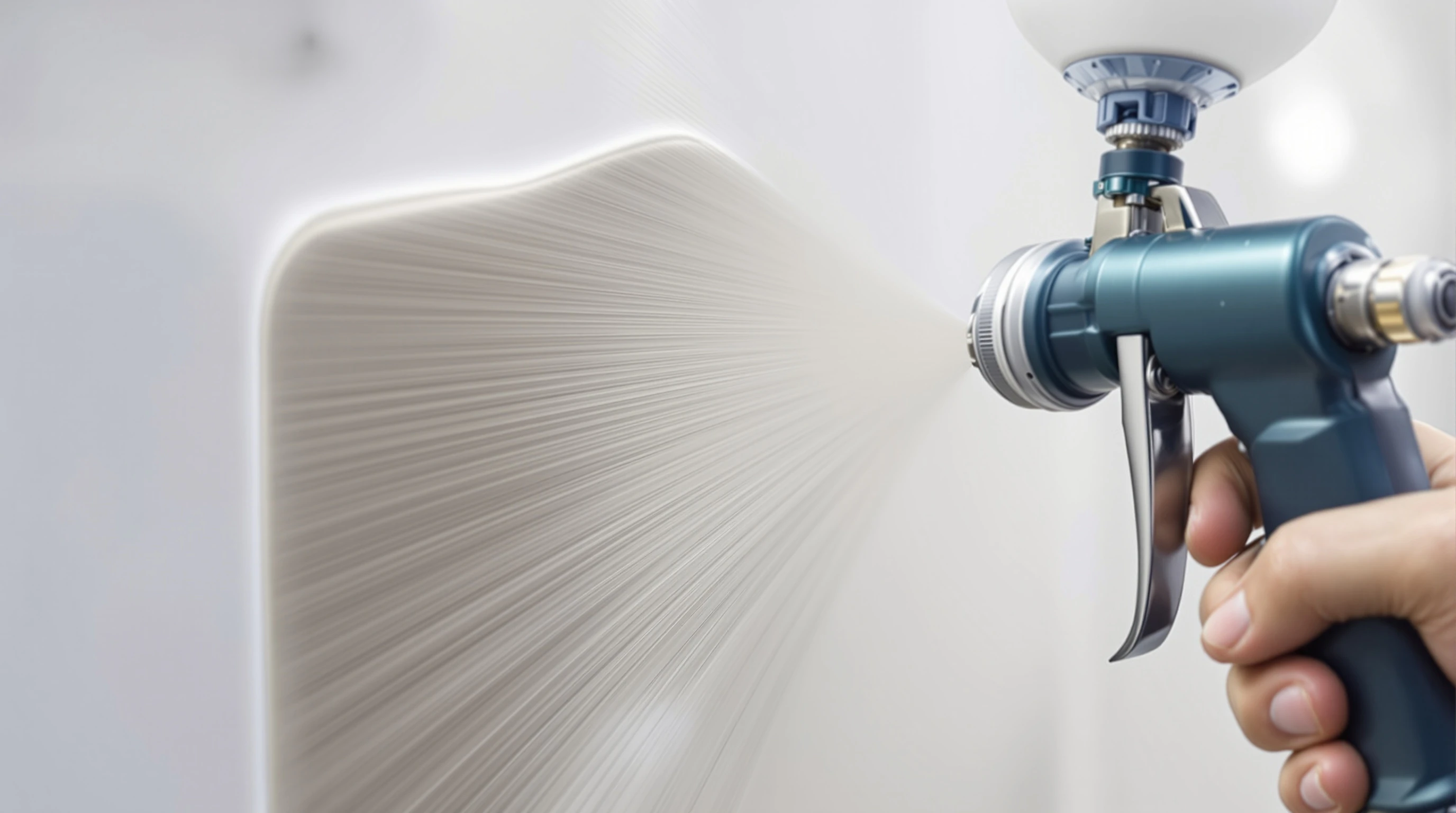
The Corrosion Problem in Maritime
Where saltwater tests every surface, every day
The challenge
Harsh environments demand coatings that hold.
The solution
ColoradoKote ceramic coating stops corrosion cold.
Why Cerakote for Maritime Corrosion Protection
Built to resist continuous saltwater exposure

Saltwater corrosion barrier
4,000+ hours salt spray resistance (ASTM B117), verified by third-party testing. Marine hardware stays protected through continuous saltwater exposure, immersion cycling, and humid coastal storage. This performance far exceeds conventional marine coatings that fail within months of saltwater service.
Dimensional precision on marine fittings
0.5-2 mil coating thickness preserves tolerances on threaded fittings, fastener heads, and mating surfaces. Parts function as designed after coating without modification. Thicker coatings compromise thread engagement and hardware function on precision marine components.
ISO 9001 quality documentation
Every marine coating job is documented under ISO 9001:2015 quality controls. Certificate of Conformance includes coating thickness, adhesion results, and material batch records. Consistent documentation supports marine equipment manufacturer quality and warranty requirements.
Multi-substrate galvanic isolation
Cerakote bonds to stainless steel, aluminum, and bronze, the three most common marine hardware substrates. Coating dissimilar metal surfaces isolates them from galvanic contact, preventing the accelerated corrosion that occurs at connection points in saltwater environments.
Corrosion Specs for Maritime Applications

How We Deliver Corrosion Protection for Maritime
Substrate-specific preparation for saltwater corrosion resistance
Marine Surface Preparation
Ultrasonic cleaning removes salt deposits, marine oils, and surface contaminants. Degreasing and tailored media blasting create the surface profile required for maximum corrosion barrier adhesion on stainless steel, aluminum, and bronze substrates. Masking protects threads, mating surfaces, and functional areas.
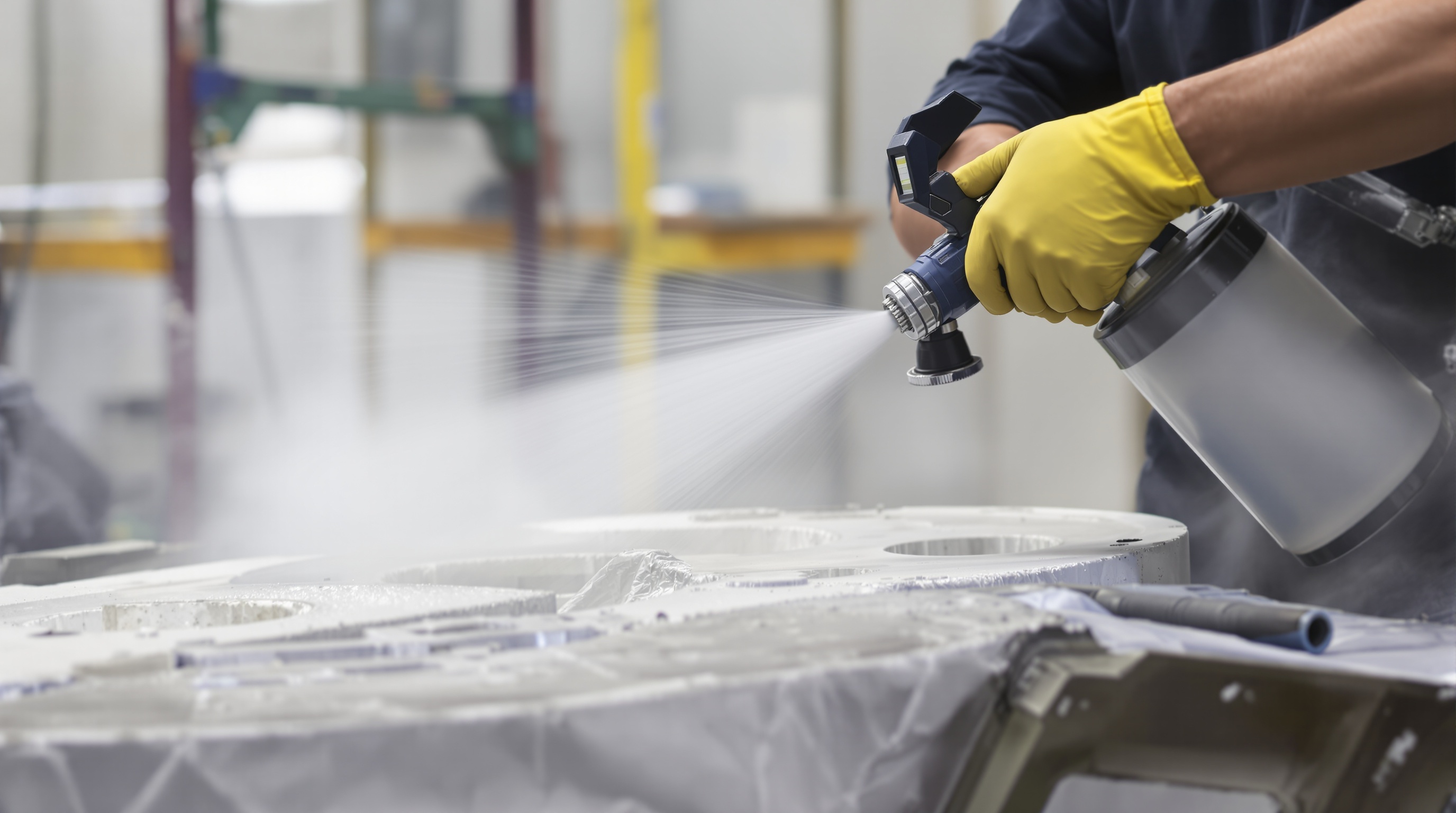
Cerakote Corrosion Barrier Application
Thin-film ceramic-polymer hybrid is applied via calibrated HVLP spray at 0.5-2 mil thickness. The coating bonds to all common marine substrates, providing molecular-level adhesion that resists saltwater delamination. In-process DFT measurements confirm thickness compliance on every part.

Quality Inspection and Documentation
Multi-point final inspection verifies coating thickness, adhesion, color consistency, and visual appearance on every lot. Certificate of Conformance documents all measurements and material batch records. ISO 9001 quality system ensures consistent results across production volumes.

Proven Corrosion Protection for Maritime
Corrosion protection performance is verified through standardized ASTM testing under ISO 9001 quality controls. Results are documented on your Certificate of Conformance for production traceability and warranty support.
4,000+ hours salt spray resistance
Validated against ASTM B117, the same standard used to evaluate coatings for saltwater service. For maritime equipment, this translates to years of protection on hardware facing continuous salt spray, immersion, and humid coastal conditions that destroy conventional coatings in months.
Hours salt spray resistance (ASTM B117)

Other services to consider
Explore what else we offer.

Weight Reduction for Oil and Gas Equipment
Thick coatings add mass to equipment transported to remote wellsites and offshore platforms. Cerakote at 0.5-2 mils saves 200-400g per part versus powder coating. ISO 9001 certified.

Weight Reduction for Medical Device Components
Surgical instruments must be light enough for hours of precise use. Cerakote at 0.5-2 mils saves 200-400g per part versus powder coating without compromising protection. ISO 9001 certified.
Weight Reduction for Maritime Equipment
Heavy coatings add mass to marine hardware that affects vessel performance and handling. Cerakote at 0.5-2 mils saves 200-400g per part versus powder coating. ISO 9001 certified.
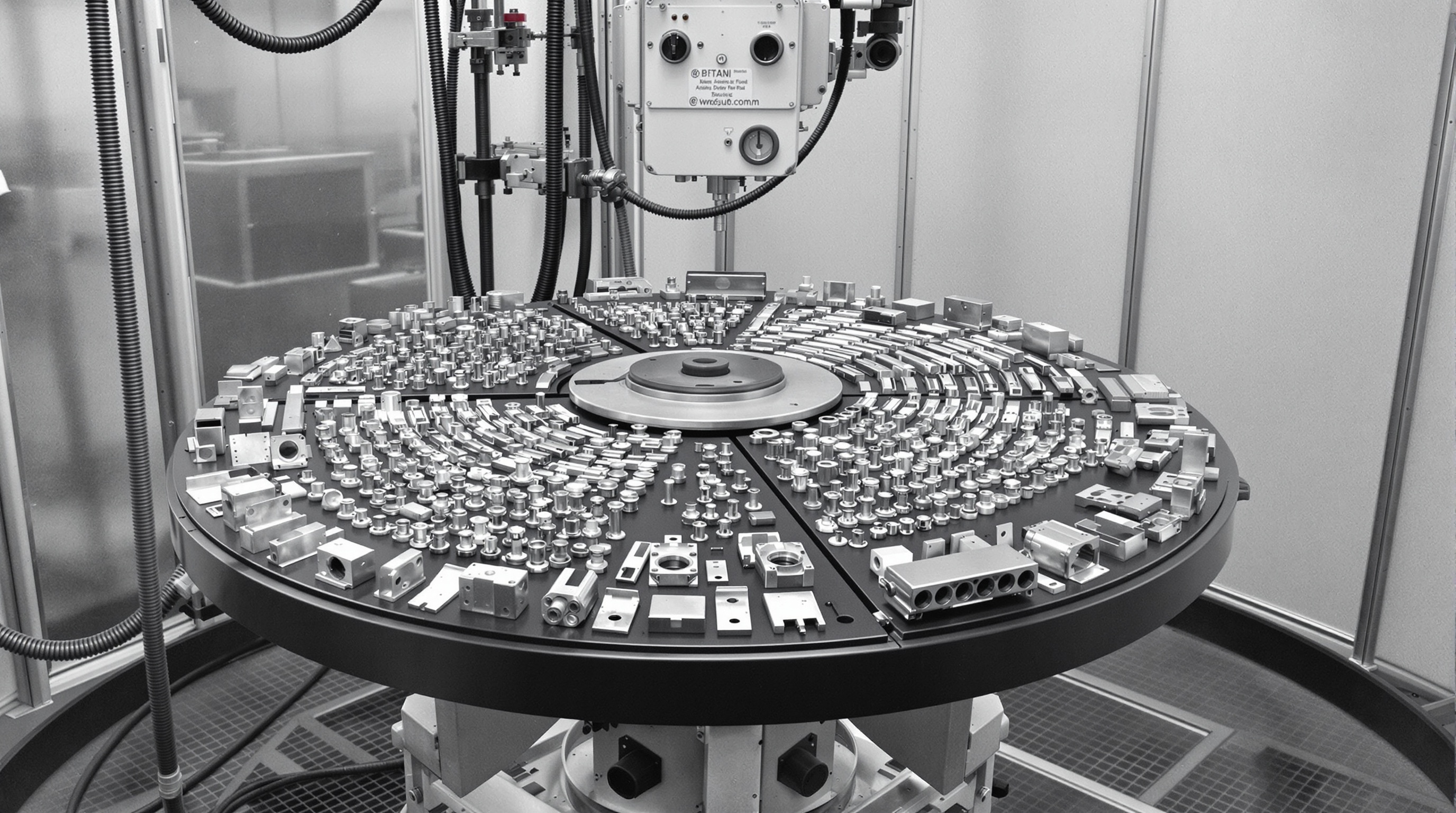
Weight Reduction for Industrial OEM Components
Thick coatings add unnecessary mass to engineered equipment. Cerakote at 0.5-2 mils delivers 200-400g savings per part versus powder coating while preserving tolerances. ISO 9001 certified.
Certified and compliant for your industry

Protect Your Marine Equipment
Submit a maritime corrosion protection RFP. We respond within 24 hours with pricing.
Frequently Asked Questions
Find answers about our coating processes and technical capabilities
Medical device substrates receive controlled blasting at parameters selected to achieve surface cleanliness and profile without embedding contaminants. For implantable or fluid-contact devices, media selection avoids materials that could leave biocompatibility-affecting residue. Blast pressure is matched to the substrate, with thin-wall and delicate medical components processed at 40-60 PSI. Parts proceed directly to ultrasonic cleaning and coating to maintain surface condition.
Yes. Cerakote at 0.5-2 mils is significantly lighter than powder coating at 4-6 mils, plating, or multi-layer paint systems. When applied to weight-optimized AM geometries, Cerakote preserves the weight advantage that additive manufacturing provides. The coating adds protection and aesthetics without negating the design-for-weight-reduction intent of the AM part. This is particularly valuable for aerospace and defense applications where AM is selected specifically for weight savings.
Metal additive manufactured parts in stainless steel and titanium often have surface porosity that makes them more susceptible to corrosion than wrought equivalents. ColoradoKote's passivation plus Cerakote stack seals this porosity and provides 3,000-hour salt spray protection, qualifying AM parts for corrosive industrial service. This post-processing capability is what makes the difference between AM prototypes and AM production parts.
ColoradoKote processes ITAR-controlled aluminum defense components through both MIL-DTL-5541 Type I and Type II chemical conversion coating. Our 14-day standard turnaround includes full lot traceability, with 7-day and 3-day expedited options when mission timelines compress. Every batch is documented to the spec requirements your defense program demands.
Every aerospace order ships with a Certificate of Conformance that includes material lot numbers, coating thickness measurements, cure parameters, and visual inspection results. Our AS9100 quality management system maintains full traceability from raw material receiving through final packaging. We support customer-specific documentation requirements and can accommodate source inspection visits at our Johnstown, CO facility.