
Corrosion Protection for Medical Devices
Precision Cerakote ceramic coatings for aerospace, defense, and industrial components.

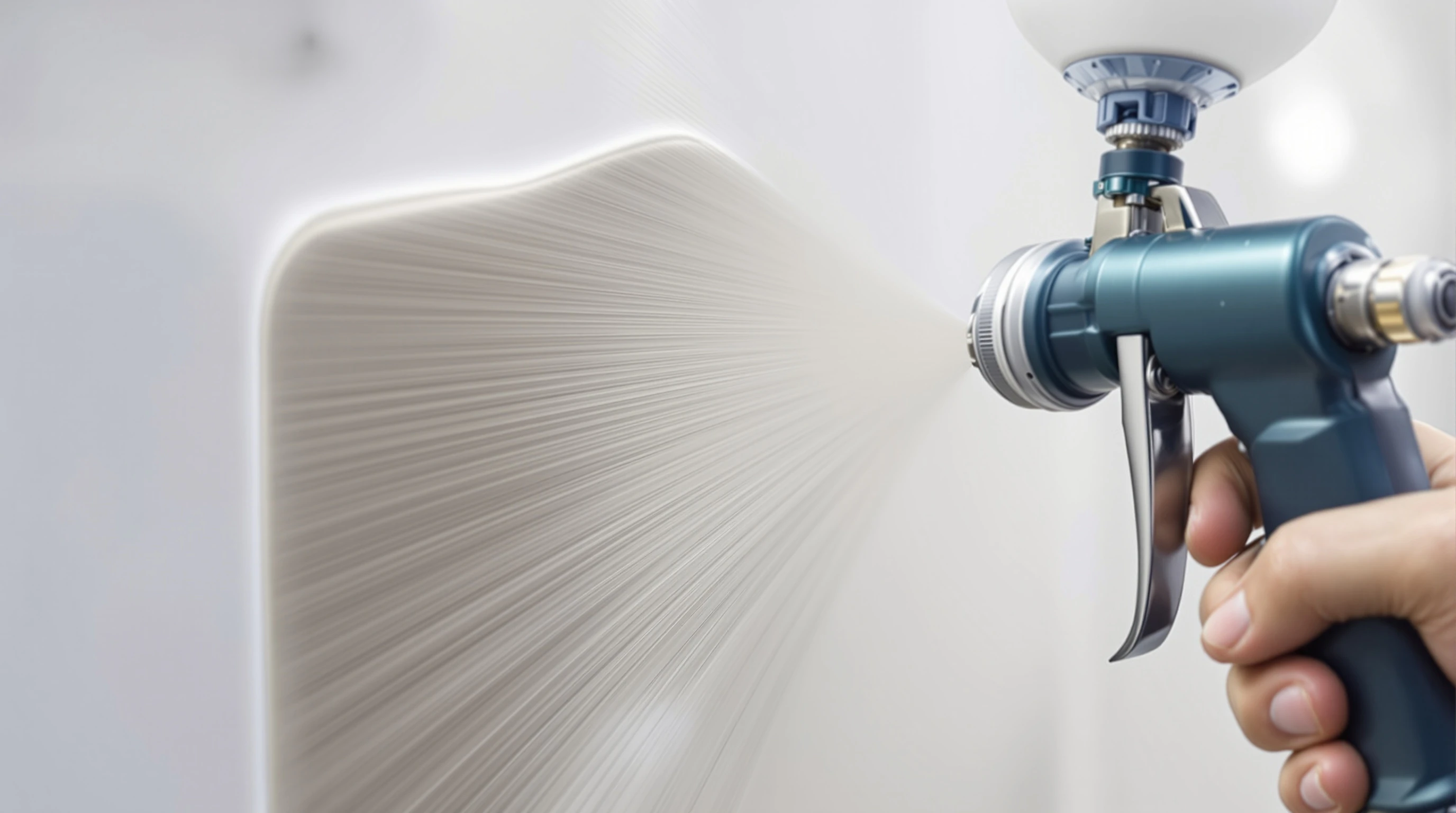
The Corrosion Problem in Medical Devices
Where sterilization is the corrosion accelerator
The challenge
Harsh environments demand coatings that hold.
The solution
ColoradoKote ceramic coating stops corrosion cold.
Why Cerakote for Medical Corrosion Protection
Survives sterilization, preserves instrument function

Sterilization-resistant corrosion barrier
4,000+ hours salt spray resistance (ASTM B117) combined with chemical resistance to autoclave steam, ethylene oxide, hydrogen peroxide plasma, and hospital-grade disinfectants. The coating maintains its protective barrier through hundreds of sterilization cycles without degradation, cracking, or particulate shedding.
Dimensional precision for surgical instruments
0.5-2 mil coating thickness preserves the dimensional tolerances critical to surgical instrument function. Jaw closures, cutting edges, and mating surfaces maintain their engineered geometry after coating. This is 60-75% thinner than powder coating at 3-5 mils, eliminating the rework caused by oversized coatings on precision instruments.
ISO 9001 traceability for device manufacturers
Every coating job is documented under ISO 9001:2015 quality controls. Certificate of Conformance includes coating thickness, adhesion results, and material batch records. Documentation supports device manufacturer quality system requirements. Regulatory compliance and biocompatibility validation remain the responsibility of the device manufacturer.
Multi-substrate instrument compatibility
Cerakote bonds to stainless steel and titanium, the two primary surgical instrument substrates. One coating process handles mixed-material instrument sets. Color-coded applications use the Cerakote catalog of 200+ colors for instrument identification that survives sterilization cycles.
Corrosion Specs for Medical Applications
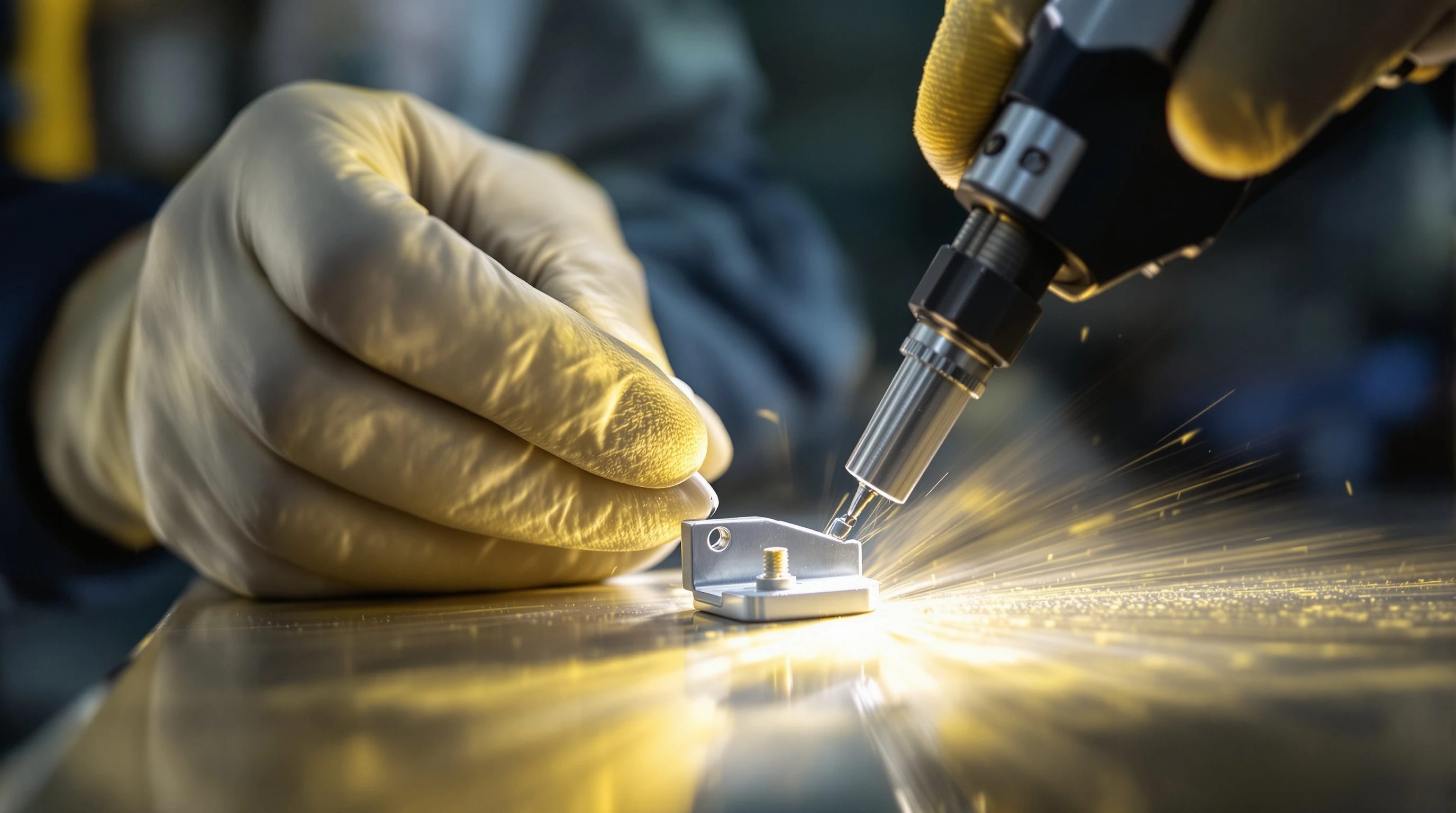
How We Deliver Corrosion Protection for Medical
Controlled environment with documented traceability at every step
Medical Component Surface Preparation
Instruments are ultrasonically cleaned and degreased to remove all surface contaminants. Stainless steel and titanium substrates receive preparation methods matched to their alloy composition for maximum corrosion barrier adhesion. Masking protects cutting edges, jaw surfaces, and mating features that must remain uncoated.
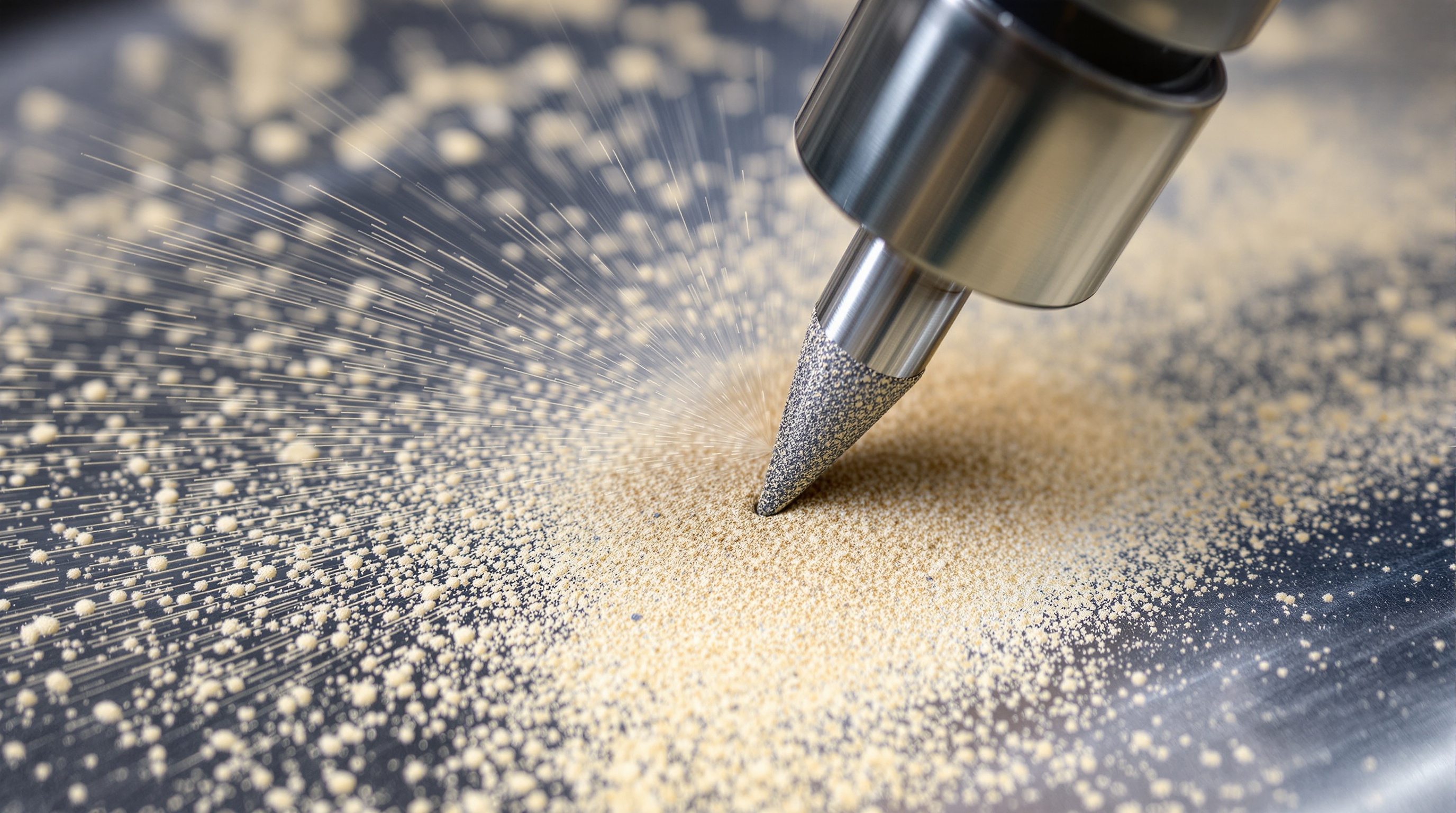
Precision Corrosion Barrier Application
Cerakote is applied via calibrated HVLP equipment at 0.5-2 mil controlled thickness. In-process DFT measurement confirms dimensional compliance before curing at 250-300 F. Color-coded applications are verified by spectrophotometer for Delta E ≤1 consistency across instrument sets.

Quality Inspection and Documentation
Multi-point final inspection verifies coating thickness, adhesion per ASTM D3359, color consistency, and visual appearance under magnification. Certificate of Conformance documents all measurement data and material batch records. Documentation supports device manufacturer quality system and regulatory requirements.
Proven Corrosion Protection for Medical Devices
Corrosion protection performance is verified through standardized ASTM testing under ISO 9001 quality controls. Results are documented on your Certificate of Conformance for device manufacturer quality records and regulatory documentation.
4,000+ hours salt spray resistance
Validated against ASTM B117. For medical device applications, this corrosion resistance translates to long-term protection through hundreds of autoclave cycles and chemical sterilization exposures. The coating maintains barrier integrity and surface smoothness, reducing contamination risk from coating degradation.
Hours salt spray resistance (ASTM B117)
Other services to consider
Explore what else we offer.

Weight Reduction for Oil and Gas Equipment
Thick coatings add mass to equipment transported to remote wellsites and offshore platforms. Cerakote at 0.5-2 mils saves 200-400g per part versus powder coating. ISO 9001 certified.
Weight Reduction for Medical Device Components
Surgical instruments must be light enough for hours of precise use. Cerakote at 0.5-2 mils saves 200-400g per part versus powder coating without compromising protection. ISO 9001 certified.

Weight Reduction for Maritime Equipment
Heavy coatings add mass to marine hardware that affects vessel performance and handling. Cerakote at 0.5-2 mils saves 200-400g per part versus powder coating. ISO 9001 certified.
Weight Reduction for Industrial OEM Components
Thick coatings add unnecessary mass to engineered equipment. Cerakote at 0.5-2 mils delivers 200-400g savings per part versus powder coating while preserving tolerances. ISO 9001 certified.
Certified and compliant for your industry


Discuss Your Medical Project
Submit an RFP for medical device corrosion protection. We respond within 24 hours.
Frequently Asked Questions
Find answers about our coating processes and technical capabilities
Yes. All defense work at ColoradoKote, including surface preparation, is performed within our ITAR-registered facility with controlled access and documented handling procedures. Blast operations on ITAR-controlled components follow the same security protocols as coating application and inspection. Personnel handling defense parts are trained on ITAR requirements and access is restricted to authorized individuals only.
Yes. Our capacity of 200 AM parts per week supports both prototyping and recurring production runs for industrial OEMs transitioning to additive manufacturing. The full post-processing sequence, 40-60 PSI blasting, ultrasonic cleaning, and Cerakote application, runs under ISO 9001 and AS9100 quality systems that deliver the consistency OEMs require. Standard 14-day turnaround with 3-day and 7-day expedited options accommodates production scheduling requirements.
At 0.5 to 2 mils, Cerakote adds minimal dimensional change to coated surfaces, preserving press fits, bearing clearances, thread engagement, and mating surface tolerances. Powder coat at 4 to 6 mils often requires masking critical surfaces or post-coat machining to restore dimensions. Cerakote eliminates this added cost and complexity while still providing full corrosion and wear protection across the entire part surface.
Defense components require contamination-free surfaces for both coating adhesion and, in many cases, function. Ultrasonic cleaning removes machining fluids, preservation oils, and handling contamination from weapon system components, optics housings, and electronic enclosures. All cleaning on defense parts is performed under ITAR controls within our registered facility. Cleaning parameters and verification results are documented to meet both AS9100 and defense-specific quality requirements.
Passivation preserves the existing surface finish of polished stainless steel, including mirror finishes, brushed textures, and bead-blasted surfaces. The acid bath removes only free iron and contaminants without altering dimensions or surface texture. For automotive show pieces needing specific colors or additional protection, Cerakote can be applied over the passivated surface with color consistency within Delta E 1.5 and hundreds of finish options available.