Corrosion Protection for Oil and Gas
Precision Cerakote ceramic coatings for aerospace, defense, and industrial components.

The Corrosion Problem in Oil and Gas
Where equipment failure costs hundreds of thousands
The challenge
Harsh environments demand coatings that hold.
The solution
ColoradoKote ceramic coating stops corrosion cold.
Why Cerakote for Oil and Gas Corrosion Protection
Continuous barrier against H2S, CO2, and chlorides

Multi-chemical corrosion barrier
4,000+ hours salt spray resistance (ASTM B117), verified by third-party testing. Cerakote provides a continuous barrier against H2S, CO2, chloride-bearing fluids, and completion chemicals in a single application. Chrome plating faces regulatory pressure from hexavalent chromium restrictions. Cerakote eliminates that environmental liability.
Tolerance preservation for sealing surfaces
0.5-2 mil coating thickness maintains dimensional accuracy on valve seats, seal surfaces, and threaded connections. These critical tolerances directly affect leak prevention and equipment function. Thicker coatings distort these surfaces and require post-coating rework.
ISO 9001 lot traceability
Every corrosion protection job is documented under ISO 9001:2015 quality controls. Certificate of Conformance includes material batch numbers, application parameters, cure records, and inspection results. Full lot traceability supports equipment manufacturer quality requirements and field failure investigation.
Multi-substrate single-source coating
Cerakote bonds to carbon steel, stainless steel, and nickel alloys without requiring separate processes. One coating partner handles all equipment substrates with one quality system. This consolidation reduces procurement complexity and eliminates the adhesion risk of multi-coat systems from different vendors.
Corrosion Specs for Oil and Gas Equipment
How We Deliver Corrosion Protection for Oil and Gas
Controlled application with full lot traceability for every component
Substrate Evaluation and Surface Preparation
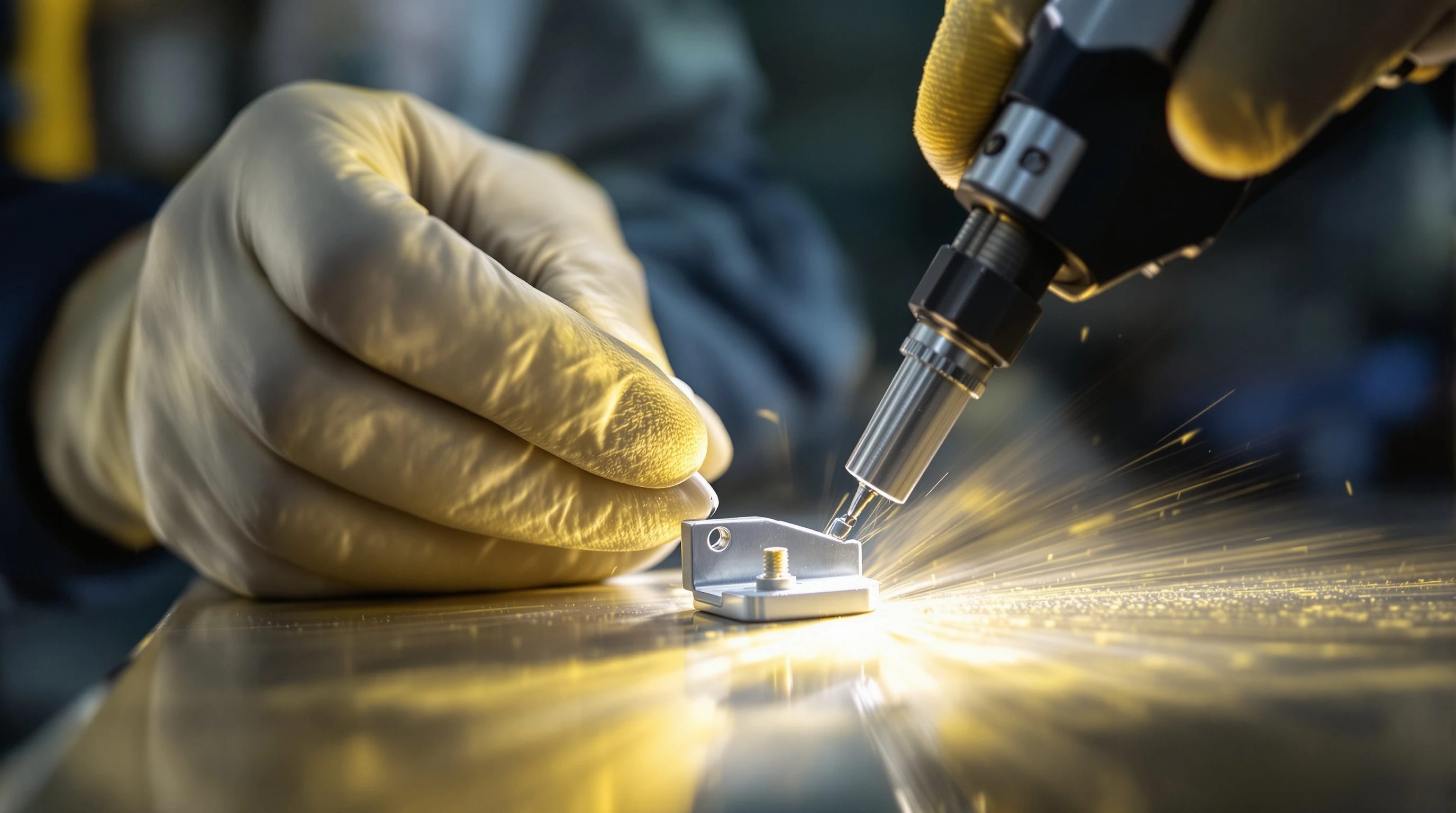
Our team evaluates each component for substrate composition, operating environment, and dimensional requirements. Carbon steel, stainless steel, and nickel alloys each receive tailored surface preparation. Ultrasonic cleaning removes production oils and contaminants. Masking protects threads, seal surfaces, and bearing areas.

Corrosion Barrier Coating Application
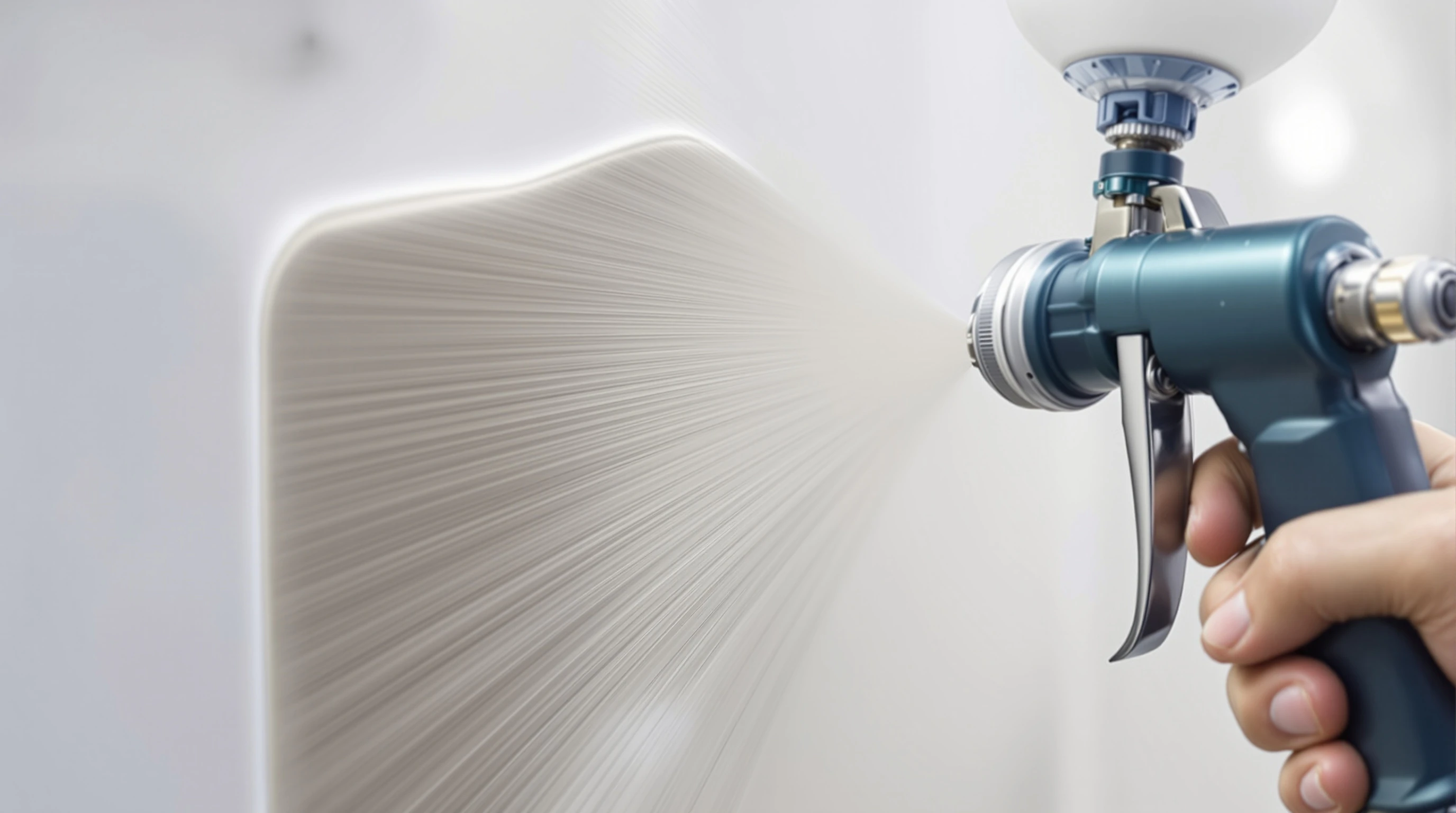
Cerakote is applied via calibrated HVLP equipment at 0.5-2 mil thickness, building a continuous barrier against H2S, CO2, and chloride-bearing fluids. Single-layer application eliminates the complexity and adhesion risk of multi-coat systems. In-process DFT measurements confirm thickness compliance on every part.
Quality Inspection and Documentation
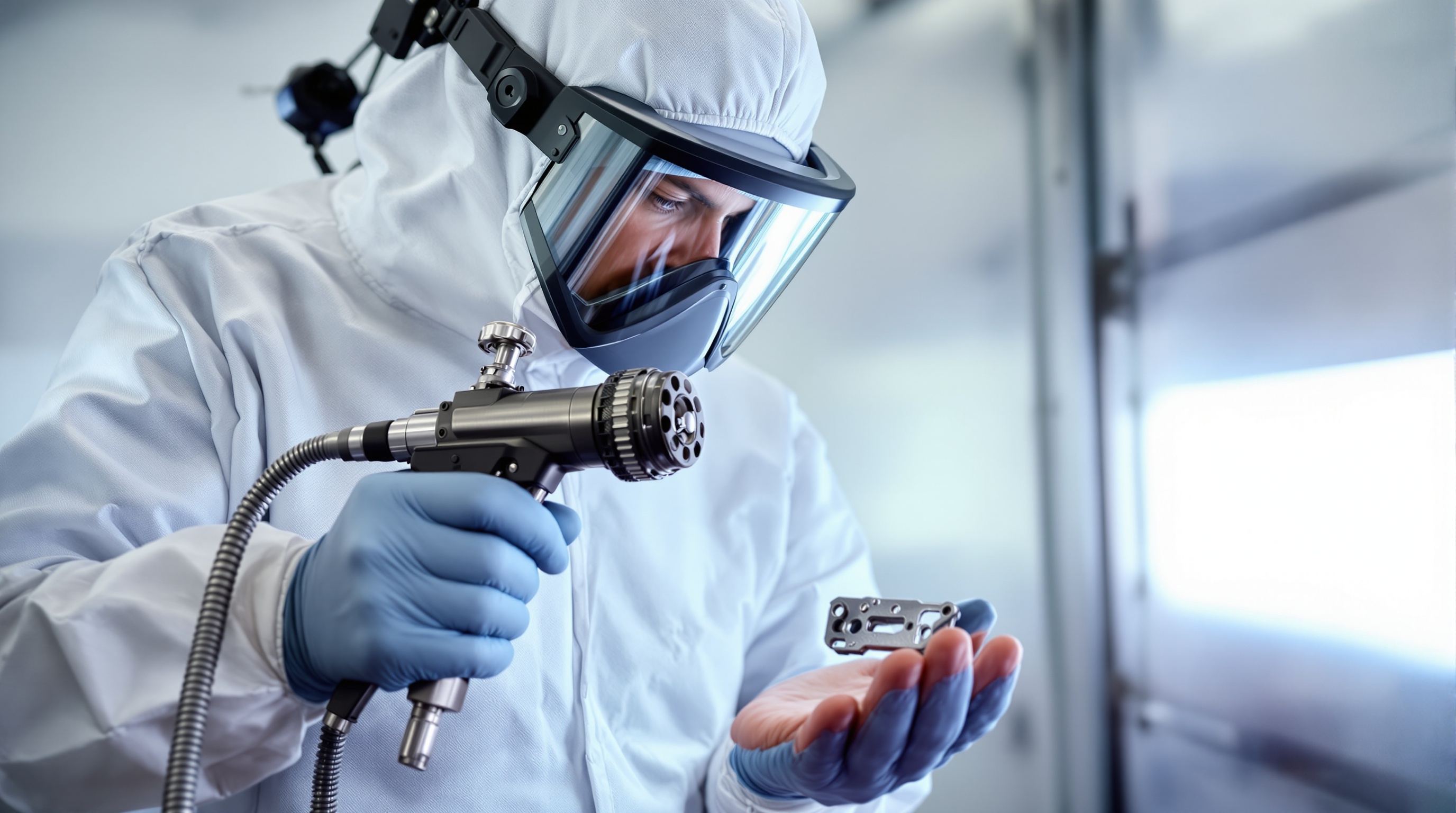
Multi-point final inspection verifies coating thickness, adhesion, and visual appearance against order specifications. Certificate of Conformance documents all measurements for quality records. ISO 9001:2015 traceability connects each part to material batch numbers, application parameters, and cure conditions.

Proven Corrosion Protection for Oil and Gas
Corrosion protection performance is verified through standardized ASTM testing under ISO 9001 quality controls. Results are documented on your Certificate of Conformance for equipment traceability and field performance records.
4,000+ hours salt spray resistance
Validated against ASTM B117. For oil and gas equipment, this translates to extended protection against H2S, CO2, and chloride-bearing fluids in downhole and surface service. Single-layer Cerakote replaces multi-coat systems and eliminates the regulatory liability of hexavalent chrome plating.
Hours salt spray resistance (ASTM B117)
Other services to consider
Explore what else we offer.
Weight Reduction for Oil and Gas Equipment
Thick coatings add mass to equipment transported to remote wellsites and offshore platforms. Cerakote at 0.5-2 mils saves 200-400g per part versus powder coating. ISO 9001 certified.

Weight Reduction for Medical Device Components
Surgical instruments must be light enough for hours of precise use. Cerakote at 0.5-2 mils saves 200-400g per part versus powder coating without compromising protection. ISO 9001 certified.

Weight Reduction for Maritime Equipment
Heavy coatings add mass to marine hardware that affects vessel performance and handling. Cerakote at 0.5-2 mils saves 200-400g per part versus powder coating. ISO 9001 certified.
Weight Reduction for Industrial OEM Components
Thick coatings add unnecessary mass to engineered equipment. Cerakote at 0.5-2 mils delivers 200-400g savings per part versus powder coating while preserving tolerances. ISO 9001 certified.
Certified and compliant for your industry

Protect Your Oil and Gas Equipment
Send specs for a corrosion protection evaluation. We respond within 24 hours with pricing.
Frequently Asked Questions
Find answers about our coating processes and technical capabilities
Yes. Additive manufactured jigs, fixtures, and production tooling made from SLS nylon or metal AM benefit significantly from Cerakote's 9H hardness. Uncoated AM surfaces wear quickly at contact points, limiting tooling life. Cerakote transforms these surfaces into hardened, abrasion-resistant working faces that extend tooling service life by multiples. Our 14-day standard turnaround with expedited options keeps your tooling production on schedule.
Yes. Agricultural equipment uses steel, cast iron, aluminum, and polymer components that all need consistent color appearance. Cerakote applied over properly prepared substrates produces the same spectrophotometer-verified color regardless of the base material. ColoradoKote adjusts surface preparation parameters for each substrate while maintaining the same Delta E 1.5 color standard across the assembly. This ensures your agricultural equipment looks uniform even when components are manufactured from different materials.
Yes. Cerakote's 9H pencil hardness and 4,000 cycles per mil abrasion resistance dramatically outperform the raw surface of AM parts exposed to soil contact. For non-ground-engaging AM components like sensor housings, seed meter bodies, and equipment guards, Cerakote provides abrasion protection that extends part life through multiple growing seasons. For high-wear ground-engaging surfaces, we recommend Cerakote for corrosion protection with the understanding that extreme abrasive contact will eventually wear through any coating system.
We handle industrial passivation batch orders of varying sizes with a 14-day standard turnaround, plus 7-day and 3-day expedited options for production-critical schedules. Our track record of over 20,000 parts with zero quality issues means consistent results whether you are sending 50 pieces or 5,000. Contact us with your stainless alloy, quantity, and spec requirements for a detailed quote.
The complete marine coating stack, ultrasonic cleaning followed by sandblasting followed by chemical conversion or passivation followed by Cerakote, depends on contamination-free surfaces at every step. Ultrasonic cleaning removes the salt, biological, and chemical contaminants specific to marine hardware. Subsequent blasting creates the mechanical profile. Each step builds on the previous one. Skipping ultrasonic cleaning on marine components risks chloride contamination under the coating, which initiates corrosion that the coating was meant to prevent.