Ultrasonic Cleaning for Aerospace
Precision Cerakote ceramic coatings for aerospace, defense, and industrial components.
Why Aerospace Needs Ultrasonic Cleaning
Surface prep is the #1 predictor of coating life
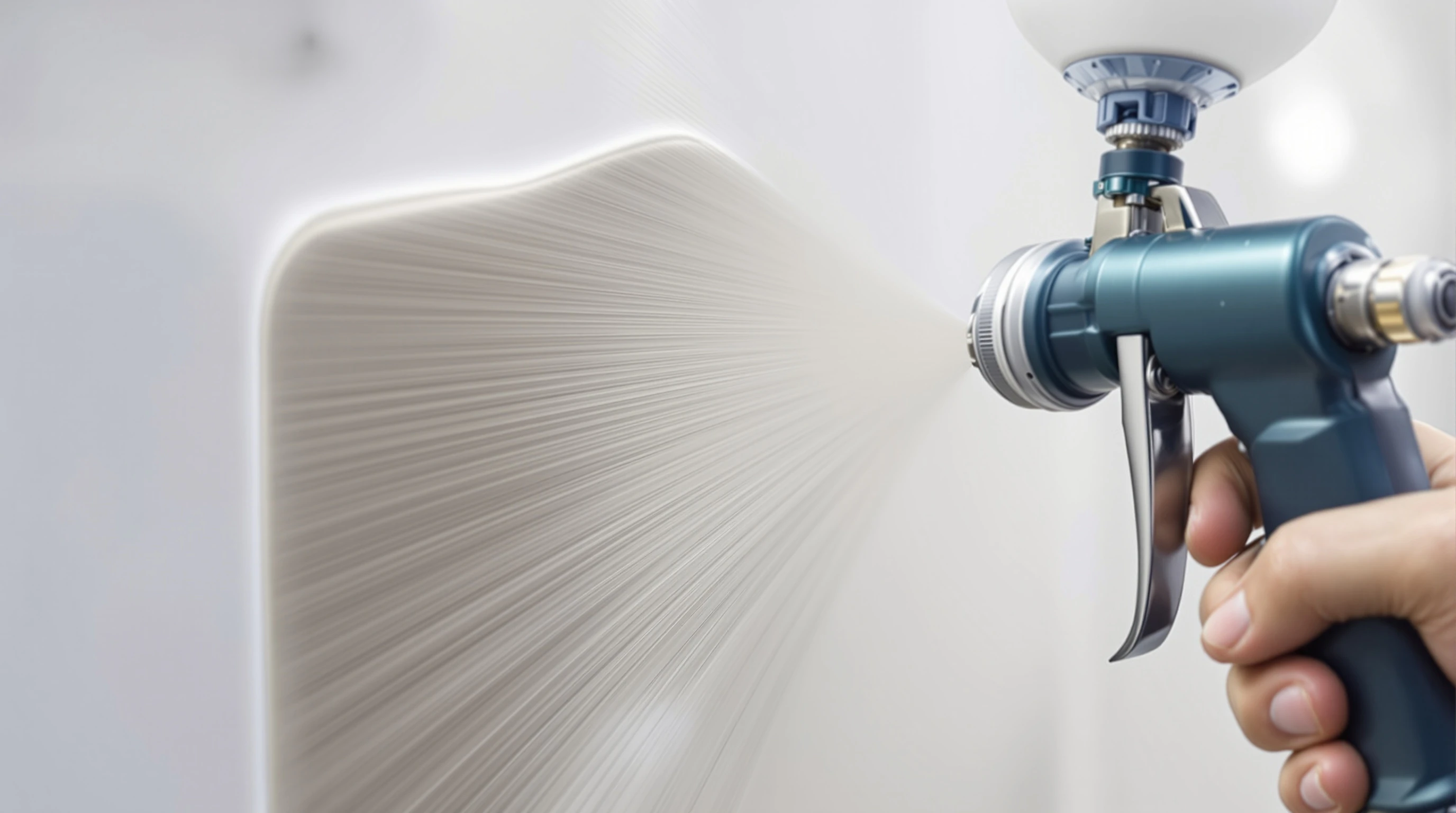
The challenge
Harsh environments demand coatings that hold.
The solution
ColoradoKote ceramic coating stops corrosion cold.
Why ColoradoKote Ultrasonic for Aerospace
Contamination-free surfaces verified before coating

Complete contaminant removal from complex geometries
40 kHz cavitation reaches blind holes, internal threads, and recessed features that manual solvent wipes miss entirely. Aerospace cabin hardware, structural fasteners, and engine components all contain geometries where oils and particulates accumulate during manufacturing. Ultrasonic cleaning removes these contaminants uniformly on every part, every cycle, eliminating the operator variability that causes inconsistent surface preparation.
Oil bleed-out prevention for cabin parts
Trapped machining fluids and lubricants migrate through coating films over time, causing blistering and delamination weeks or months after installation. This failure mode is particularly damaging on visible cabin interior hardware where appearance and durability both matter. Ultrasonic cavitation extracts embedded oils from surface pores that manual cleaning leaves behind, preventing post-installation coating failures.
ASTM D3359 5B adhesion verified
Coated parts that begin with ultrasonic cleaning consistently achieve ASTM D3359 5B adhesion ratings, the highest grade on the cross-cut adhesion scale, with zero coating removal. This adhesion performance is the direct result of contamination-free surfaces verified through water-break testing before coating application. Every adhesion test result is documented on your Certificate of Conformance.
AS9100 cleaning validation on every batch
Every cleaning cycle is recorded with solution type, concentration, temperature, frequency, cycle duration, and verification results. Solution concentration is monitored through weekly titration testing. Equipment calibration follows documented schedules. Your auditors receive objective quality evidence showing that surface preparation met specification before coating began, per AS9100:2015 requirements.
Ultrasonic Cleaning Specs for Aerospace
How We Clean Aerospace Parts
AS9100 documented from contamination assessment through coating handoff
Contamination Assessment and Solution Selection
Technicians assess each aerospace part for contamination type: machining fluids, fingerprint oils, lubricant residue, or embedded particulates. Substrate material determines solution chemistry. Alkaline cleaners address aluminum alloys. Neutral formulations protect titanium from hydrogen embrittlement. Temperature is set between 120-160 F and cycle time between 10-30 minutes based on contamination severity. Masking protects any features that must remain uncoated.

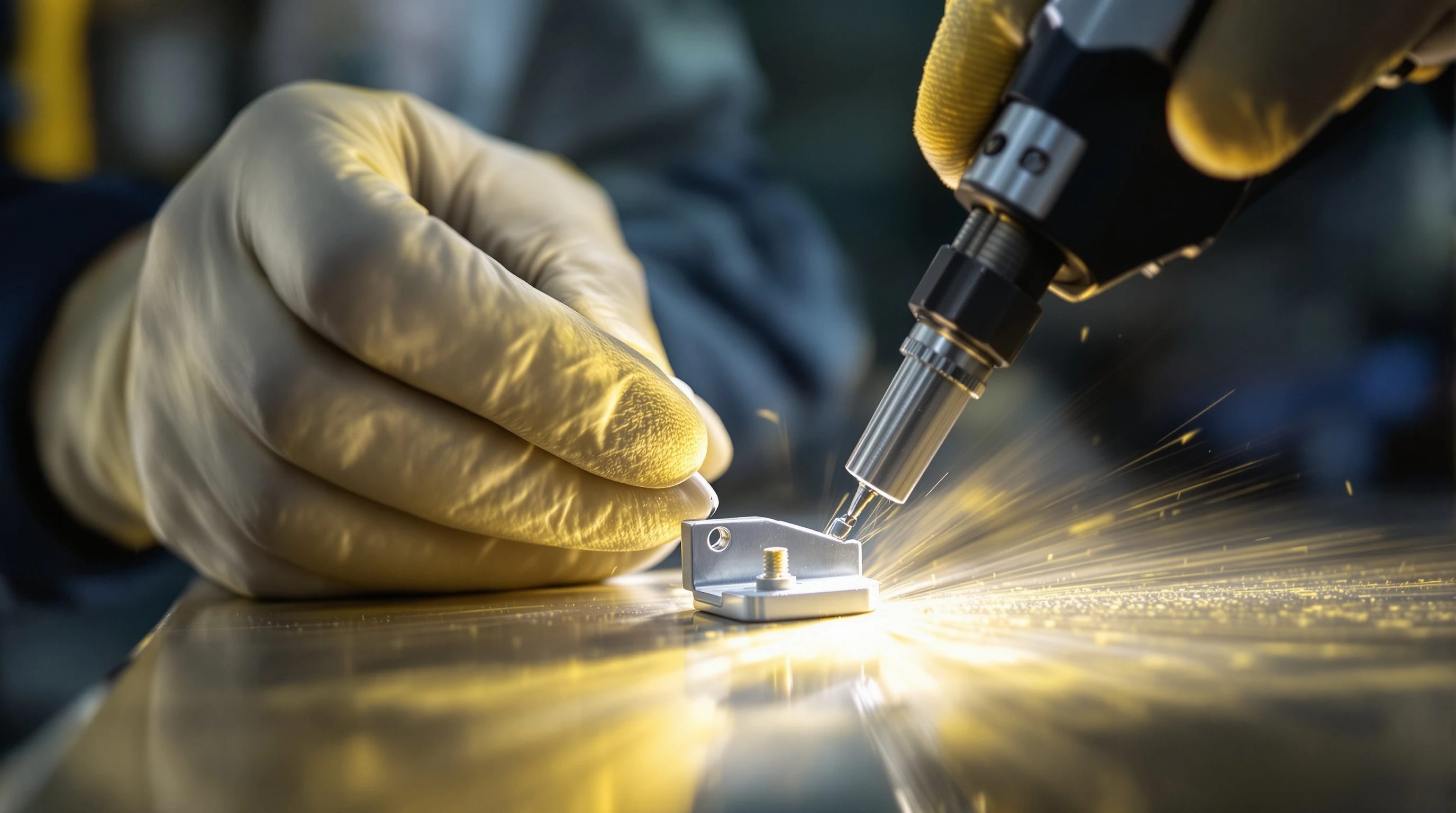
40 kHz Ultrasonic Cavitation
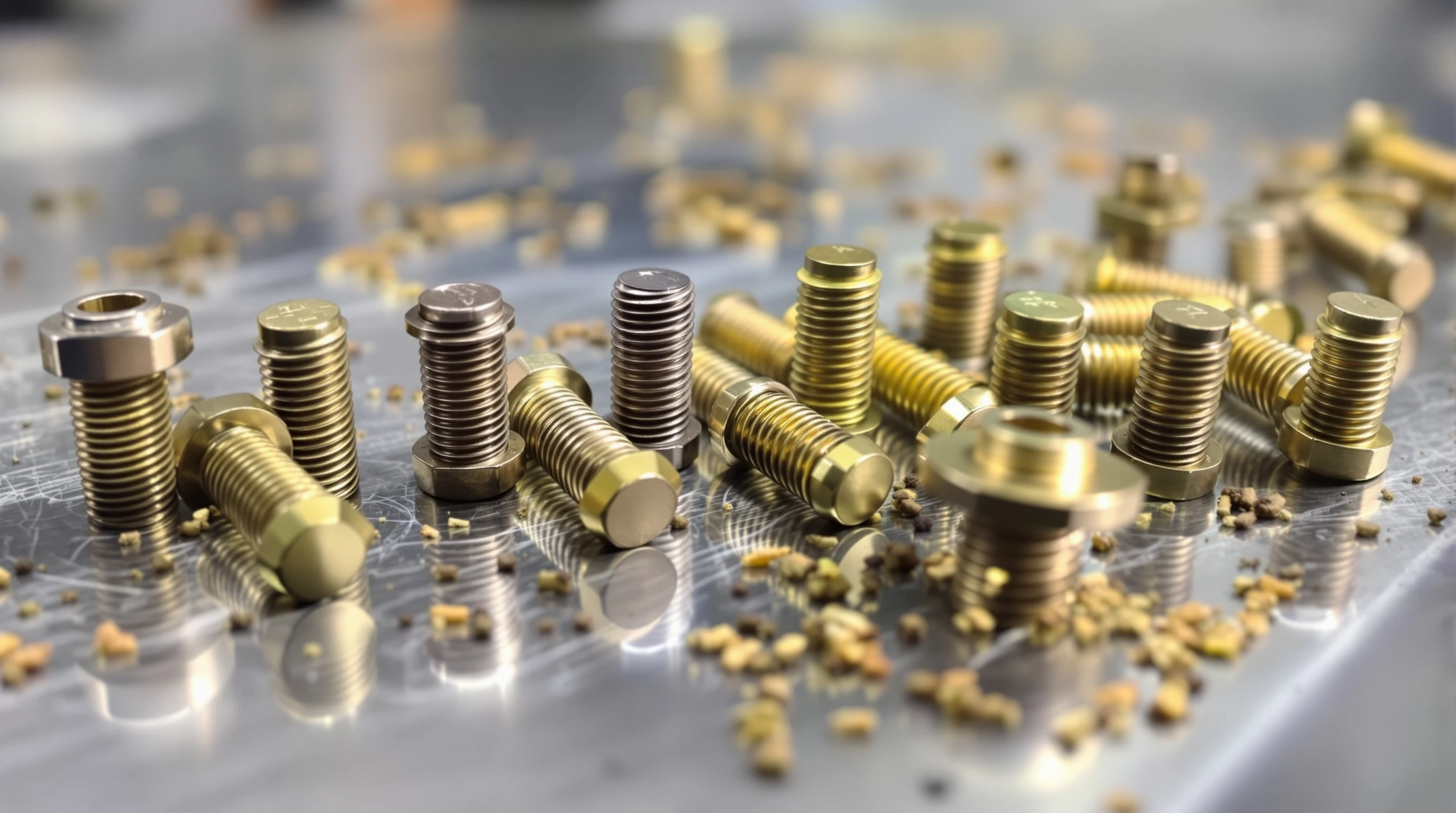
Parts are submerged in heated cleaning solution and the 40 kHz transducer activates. Millions of cavitation bubbles form and implode against every surface, penetrating blind holes, internal threads, and complex recesses. A minimum of two DI water rinses follow the cleaning cycle, removing all solution residue. Heated air drying or nitrogen purge prepares parts for immediate coating application, preventing re-contamination from environmental exposure.

Verification and Documented Handoff
Water-break testing confirms DI water sheets uniformly across the surface with no beading, verifying the absence of oils and residues. White-glove inspection checks for particulate transfer. Parts that do not pass verification are re-cleaned before proceeding. Verified parts transfer immediately to coating application. Process parameters from the cleaning cycle are recorded in the batch traveler and integrated with the coating record for complete AS9100 traceability.
Proven Surface Preparation for Aerospace
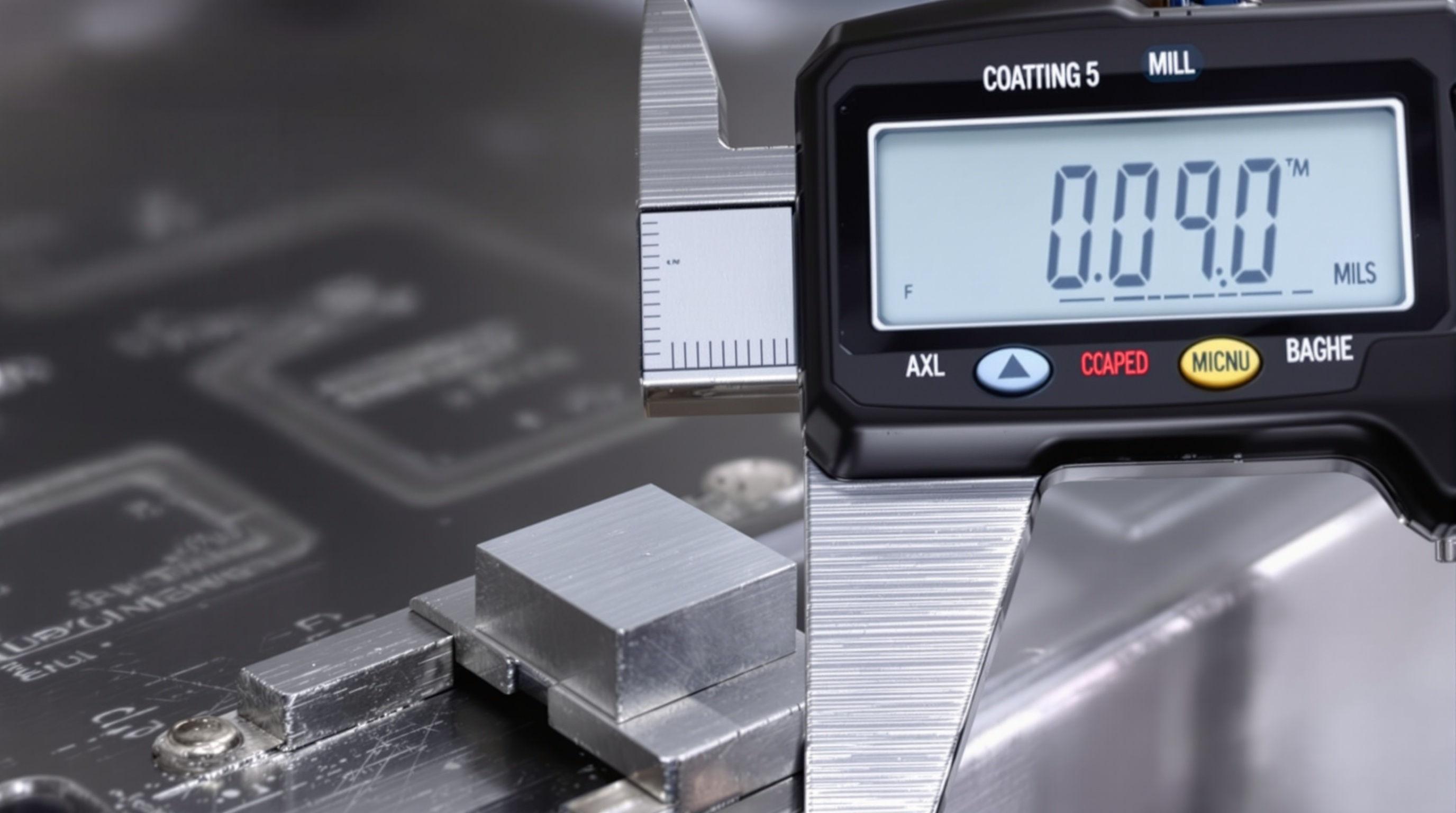
Surface preparation performance is verified through standardized adhesion testing on coated parts, not subjective visual inspection. Every production batch undergoes the same cleaning verification and post-coating adhesion testing under AS9100 controls, with results documented on your Certificate of Conformance.
ASTM D3359 5B adhesion rating
5B is the highest grade on the ASTM D3359 cross-cut adhesion scale, indicating zero coating removal during testing. Parts that begin with ultrasonic cleaning consistently achieve this rating because contaminants that cause adhesion failure have been removed and verified absent before coating begins. The 80% of coating failures that trace to poor surface preparation are eliminated at the source, before a single drop of coating is applied.
Adhesion rating (ASTM D3359)
Other services to consider
Explore what else we offer.

Weight Reduction for Oil and Gas Equipment
Thick coatings add mass to equipment transported to remote wellsites and offshore platforms. Cerakote at 0.5-2 mils saves 200-400g per part versus powder coating. ISO 9001 certified.

Weight Reduction for Medical Device Components
Surgical instruments must be light enough for hours of precise use. Cerakote at 0.5-2 mils saves 200-400g per part versus powder coating without compromising protection. ISO 9001 certified.

Weight Reduction for Maritime Equipment
Heavy coatings add mass to marine hardware that affects vessel performance and handling. Cerakote at 0.5-2 mils saves 200-400g per part versus powder coating. ISO 9001 certified.
Weight Reduction for Industrial OEM Components
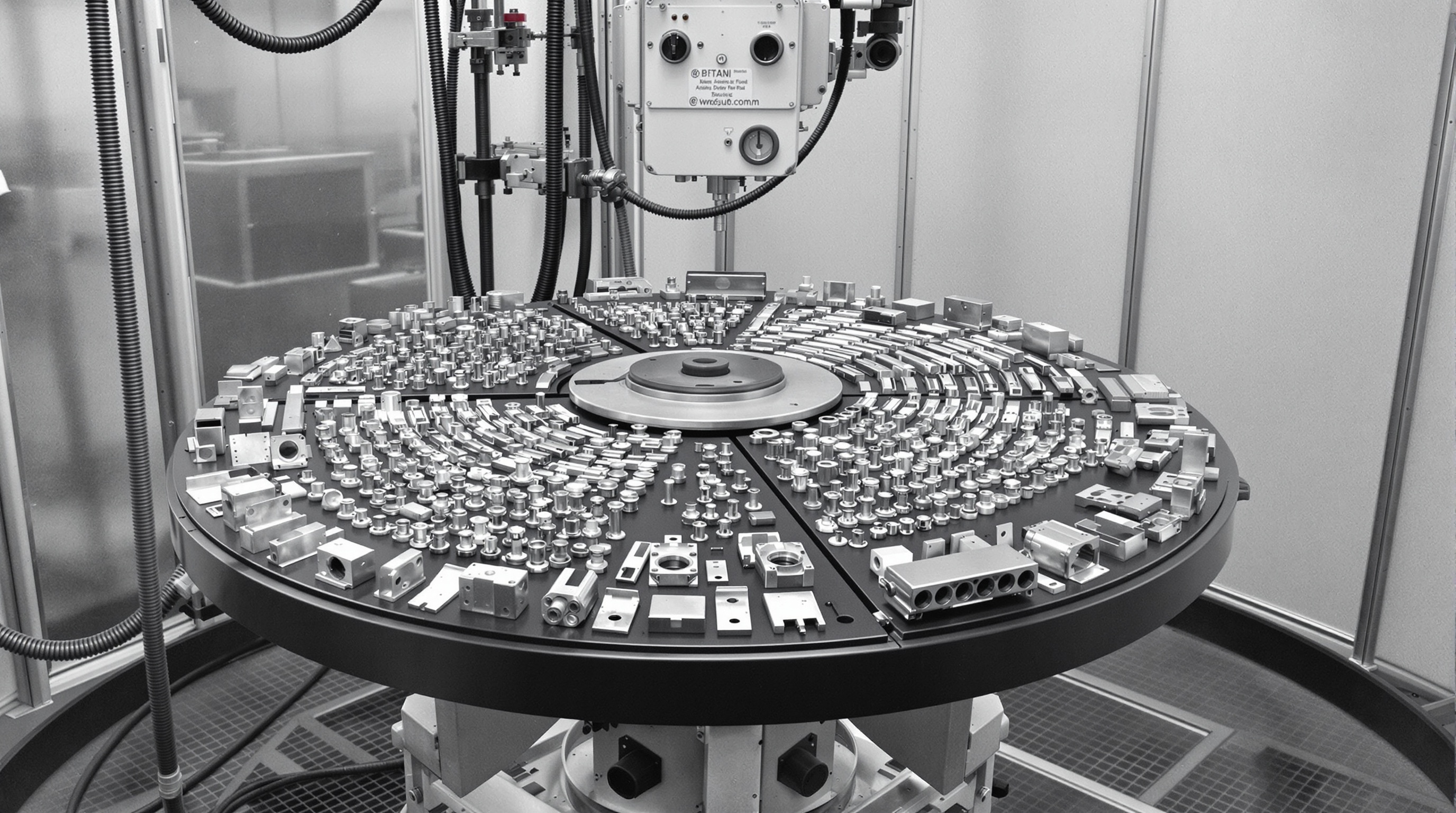
Thick coatings add unnecessary mass to engineered equipment. Cerakote at 0.5-2 mils delivers 200-400g savings per part versus powder coating while preserving tolerances. ISO 9001 certified.
Certified and compliant for your industry
Start With Proper Surface Prep
Request a quote for aerospace cleaning. We respond within 24 hours with approach and pricing.
Frequently Asked Questions
Find answers about our coating processes and technical capabilities
Yes. Cerakote's thermal rating of -40 degrees F to 2,000 degrees F (V-Series) far exceeds standard autoclave temperatures of 250-275 degrees F. The coating maintains adhesion, color consistency, and corrosion protection through hundreds of sterilization cycles. Pencil hardness of 9H (ASTM D3363) means instrument markings and color coding remain intact despite repeated handling and reprocessing.
Yes. Additive manufactured jigs, fixtures, and production tooling made from SLS nylon or metal AM benefit significantly from Cerakote's 9H hardness. Uncoated AM surfaces wear quickly at contact points, limiting tooling life. Cerakote transforms these surfaces into hardened, abrasion-resistant working faces that extend tooling service life by multiples. Our 14-day standard turnaround with expedited options keeps your tooling production on schedule.
Yes. Our passivation services per ASTM A967 and AMS 2700 remove free iron and surface contaminants from stainless steel medical components, creating the chromium oxide layer that prevents corrosion. For components requiring both passivation and a protective topcoat, we perform the complete process in-house, eliminating multi-vendor coordination and reducing contamination risk during transport.
Chemical conversion coating is widely used on medical device aluminum housings and enclosures where corrosion resistance and paint adhesion are required. The sub-micron layer adds virtually zero dimensional change, which is critical for devices with tight mechanical tolerances. For medical components needing additional protection or specific colors, we can apply Cerakote over the conversion layer for 3,000 hours of salt spray resistance at just 0.5-2 mils.
We hold full capability for MIL-DTL-5541 Type I and Type II chemical conversion coating on defense aluminum components. Type I provides 168-240+ hours of salt spray resistance (ASTM B117), meeting the corrosion requirements for fielded military hardware. Our facility has processed over 20,000 parts with zero quality issues, including work spec-proven for major aerospace OEMs.