Wear Protection for Aerospace
Precision Cerakote ceramic coatings for aerospace, defense, and industrial components.
Wear Destroys Aerospace Components in Service
Vibration, erosion, and contact wear are constant
The challenge
Harsh environments demand coatings that hold.
The solution
ColoradoKote ceramic coating stops corrosion cold.
Why Cerakote for Aerospace Wear Protection
Hardness and abrasion resistance without dimensional change

9H Pencil Hardness
ASTM D3363 verified. Ceramic matrix creates a hard, scratch-resistant surface that resists contact wear, tool marks, and handling damage throughout assembly and service life.
8,000+ Taber Abrasion Cycles
ASTM D4060 verified wear resistance. Protects against particulate erosion from sand, dust, and debris encountered during flight operations and ground handling.
160/160 in-lbs Impact Resistance
ASTM D2794 verified. Absorbs impact energy without cracking or delaminating. Critical for components exposed to FOD, tool drops, and ground handling contact.
Thin-Film Wear Protection
Full wear protection at 0.5-2 mils. No dimensional rework required. Components maintain fit and function specifications while gaining ceramic-level surface hardness.
Wear Protection Specifications
How We Apply Aerospace Wear Protection
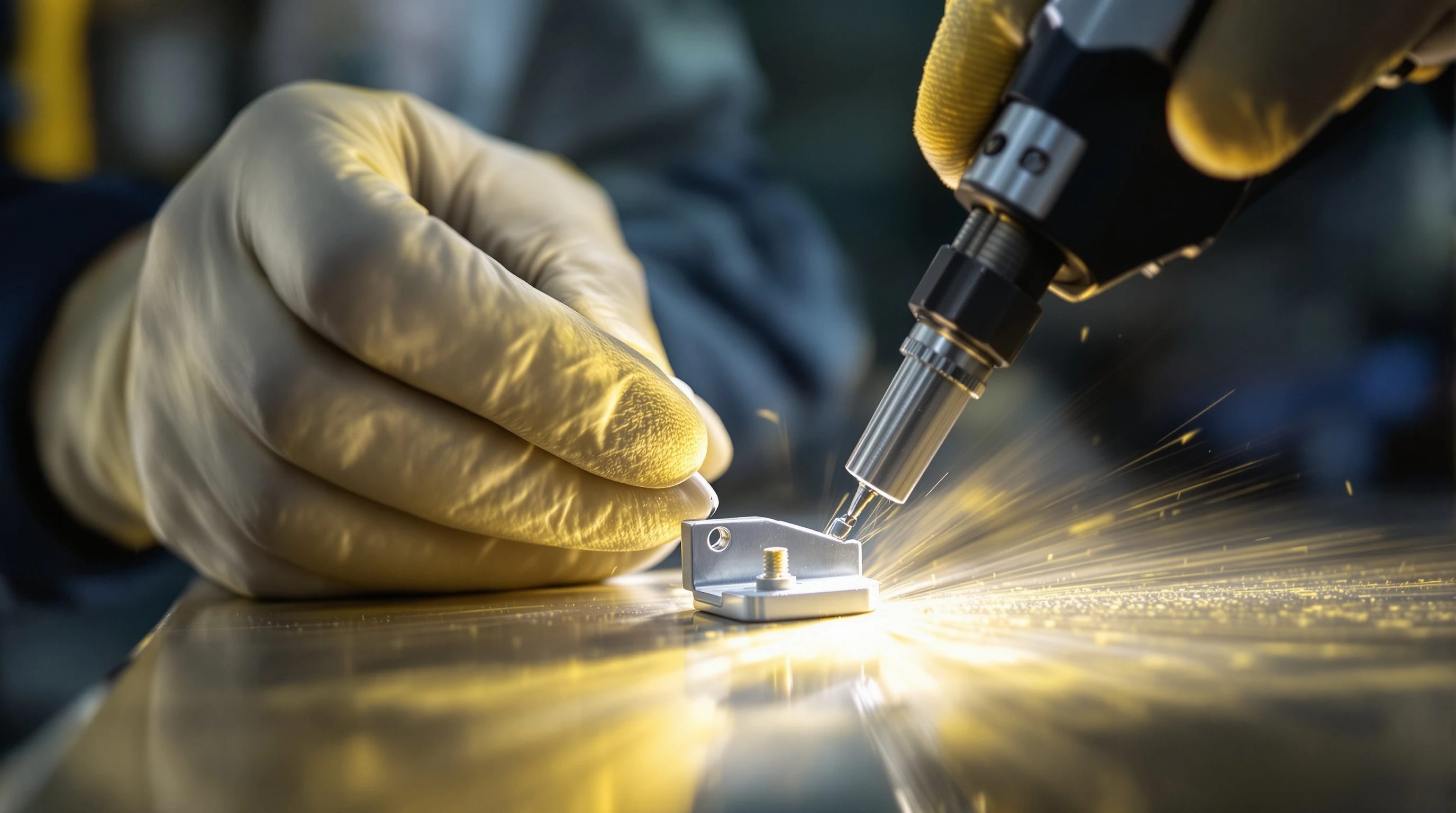
Precision application for maximum hardness and adhesion
Surface Profiling & Preparation
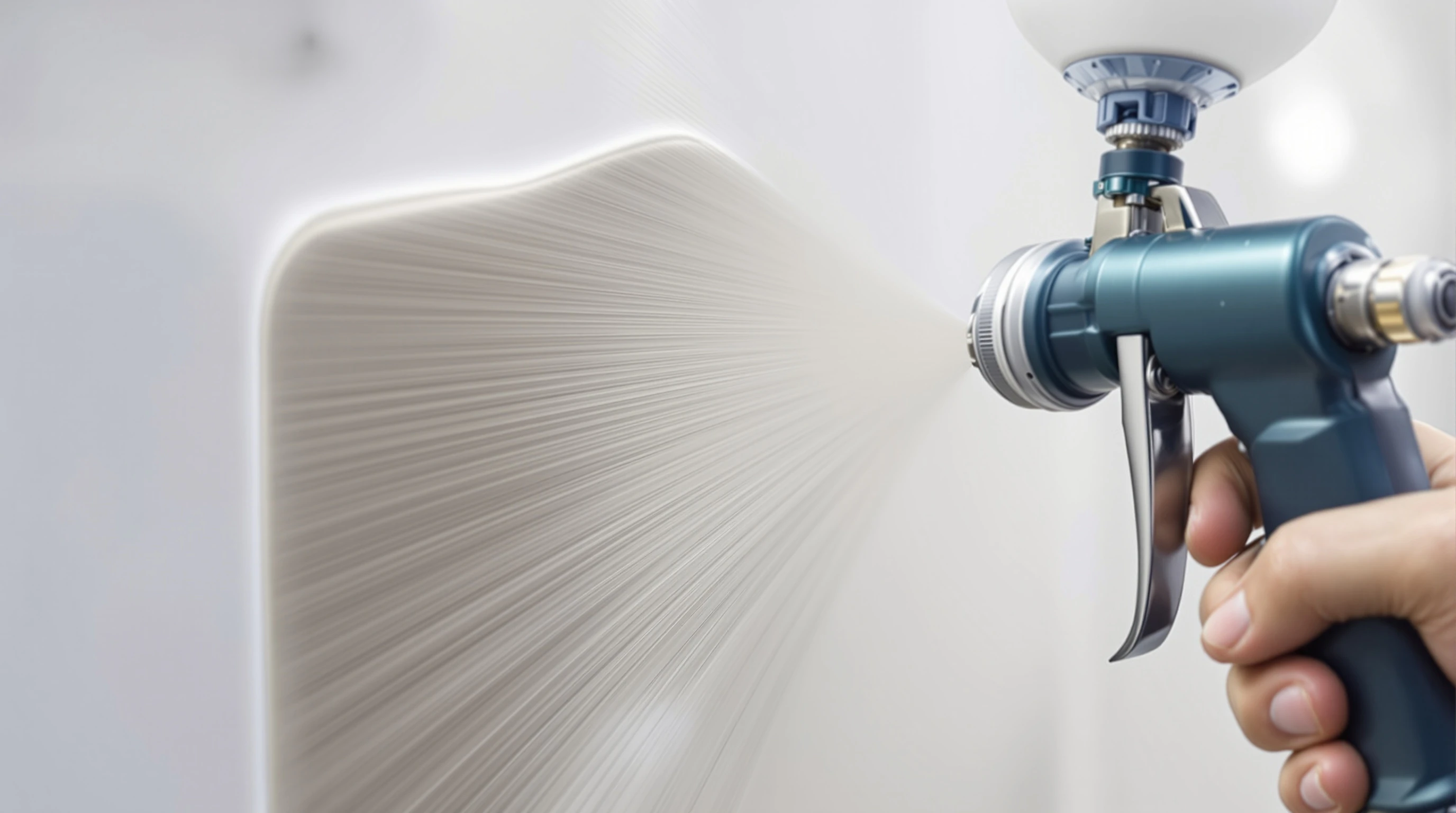
Media blasting creates optimal mechanical bond profile. Substrate-specific protocols for aluminum, steel, and titanium. Critical wear surfaces identified and preparation optimized for maximum adhesion.

Ceramic Coating Application
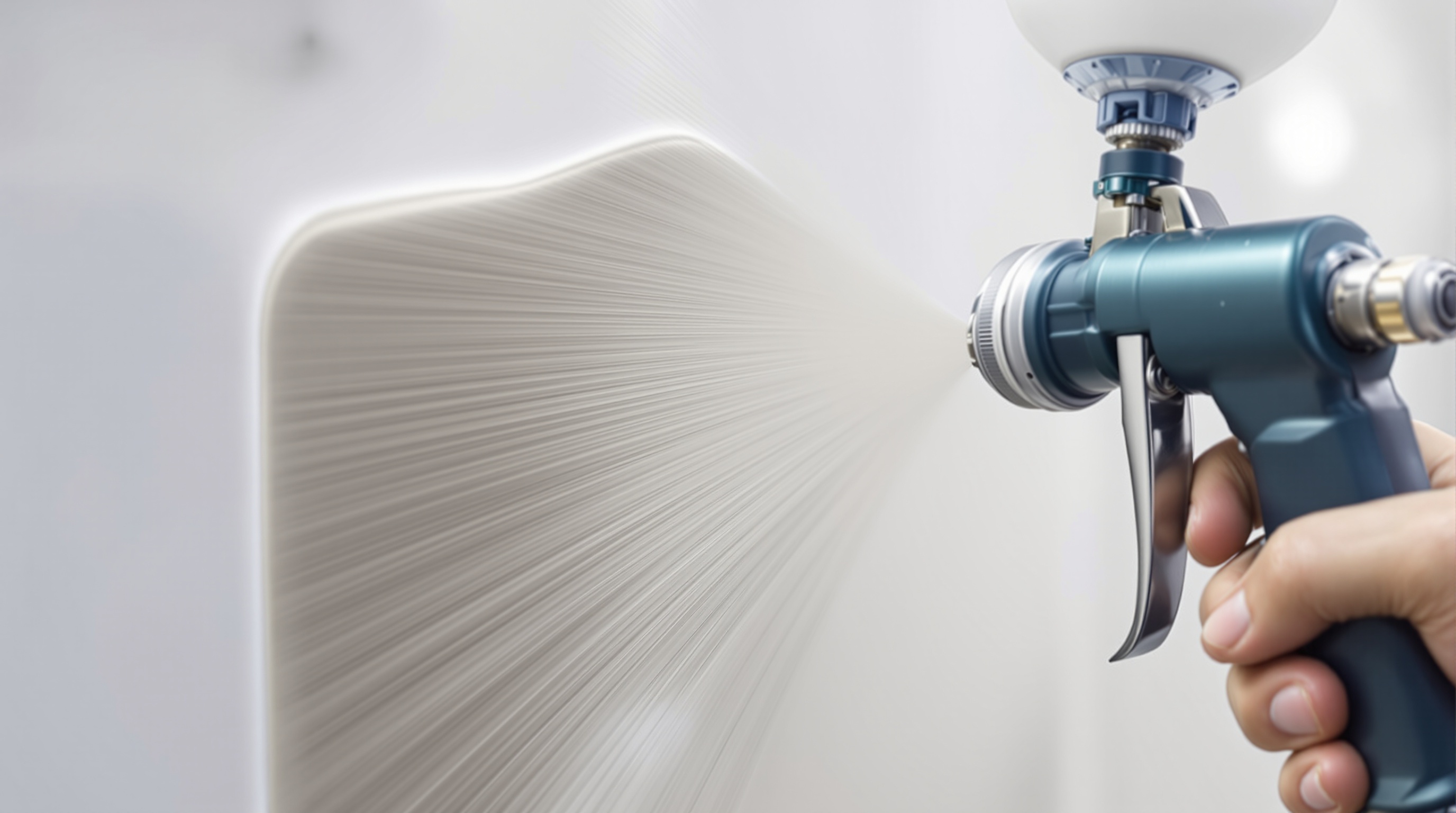
Cerakote applied in controlled layers targeting wear-critical surfaces. Thickness verified at high-wear zones. H-Series formulations selected for maximum hardness and abrasion resistance.
Cure, Hardness Test & Document
Full-temperature cure for maximum ceramic cross-linking and hardness development. Post-cure pencil hardness verification. Adhesion testing. Certificate of Conformance with all test data under AS9100 traceability.

Verified Wear Performance Data
All hardness and abrasion claims verified through standardized ASTM testing under AS9100 process controls, not manufacturer estimates.
Measurable protection
Cerakote-coated aerospace components demonstrate 9H pencil hardness and 8,000+ Taber abrasion cycles, providing quantifiable wear protection data for engineering evaluation.
Taber abrasion cycles
Pencil hardness
Other services to consider
Explore what else we offer.

Weight Reduction for Oil and Gas Equipment
Thick coatings add mass to equipment transported to remote wellsites and offshore platforms. Cerakote at 0.5-2 mils saves 200-400g per part versus powder coating. ISO 9001 certified.

Weight Reduction for Medical Device Components
Surgical instruments must be light enough for hours of precise use. Cerakote at 0.5-2 mils saves 200-400g per part versus powder coating without compromising protection. ISO 9001 certified.

Weight Reduction for Maritime Equipment
Heavy coatings add mass to marine hardware that affects vessel performance and handling. Cerakote at 0.5-2 mils saves 200-400g per part versus powder coating. ISO 9001 certified.
Weight Reduction for Industrial OEM Components
Thick coatings add unnecessary mass to engineered equipment. Cerakote at 0.5-2 mils delivers 200-400g savings per part versus powder coating while preserving tolerances. ISO 9001 certified.
Certified and compliant for your industry
Protect Aerospace Parts From Wear
Send your wear requirements and part details. We respond within 24 hours with coating approach and pricing.
Frequently Asked Questions
Find answers about our coating processes and technical capabilities
Cerakote's 3,000-hour salt spray resistance and chemical resistance withstand repeated autoclave sterilization at 250°F to 275°F, enzymatic cleaning solutions, and chemical disinfectants without degradation. The 9H pencil hardness prevents scratching during instrument tray loading and surgical use. This corrosion and wear resistance combination extends instrument life significantly compared to anodized or uncoated stainless steel surfaces.
Yes. Medical devices often incorporate elastomeric seals, grips, and dampening elements bonded to metal substrates. Polymer coating bridges the rubber-to-metal transition zone, providing corrosion protection on the metal while maintaining adhesion at the interface where differential thermal expansion creates stress. Rigid coatings crack at these transitions, exposing the substrate to sterilization chemicals and body fluids. Polymer coating accommodates the movement at these interfaces throughout the device service life.
Automotive components arrive with machining oils, coolant residue, assembly lubricants, and handling contamination that prevent coating adhesion. Ultrasonic cavitation removes these contaminants from all surfaces including internal oil passages, threaded holes, and complex castings. Engine blocks, intake manifolds, valve covers, and suspension components all benefit from ultrasonic cleaning before Cerakote application. Clean substrates produce better coating adhesion and longer service life.
Individual part weight savings range from fractions of a gram to several grams depending on surface area. Across a full program with hundreds or thousands of coated components, the aggregate reduction is measurable in pounds. For aerospace programs where weight directly affects fuel burn and payload capacity, and for performance automotive where weight affects lap times, the cumulative benefit of thin-film Cerakote over thick-film alternatives contributes to overall system weight targets.
Yes. ColoradoKote coats prototype components, performance parts, engine hardware, brake calipers, suspension components, and custom fabrication for automotive R&D teams and performance builders. Cerakote's temperature range from -40°F to 2,000°F handles everything from underhood heat to winter road conditions. Our Cerakote Advanced Applicator certification ensures proper application on demanding automotive substrates.