Wear Protection for AM Parts
Precision Cerakote ceramic coatings for aerospace, defense, and industrial components.
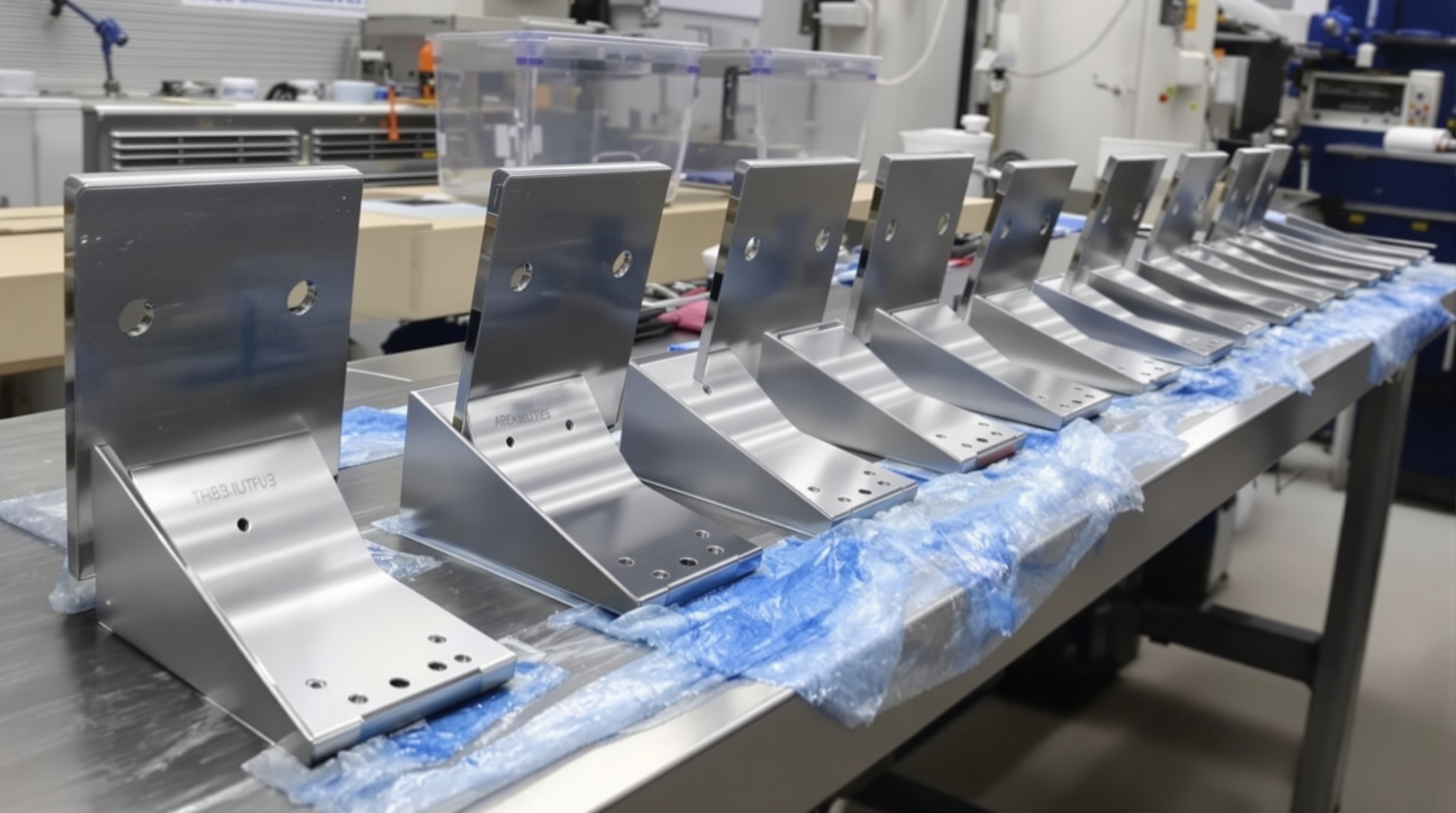
AM Parts Are Too Soft for End-Use
Polymer AM surfaces scratch and wear immediately
The challenge
Harsh environments demand coatings that hold.
The solution
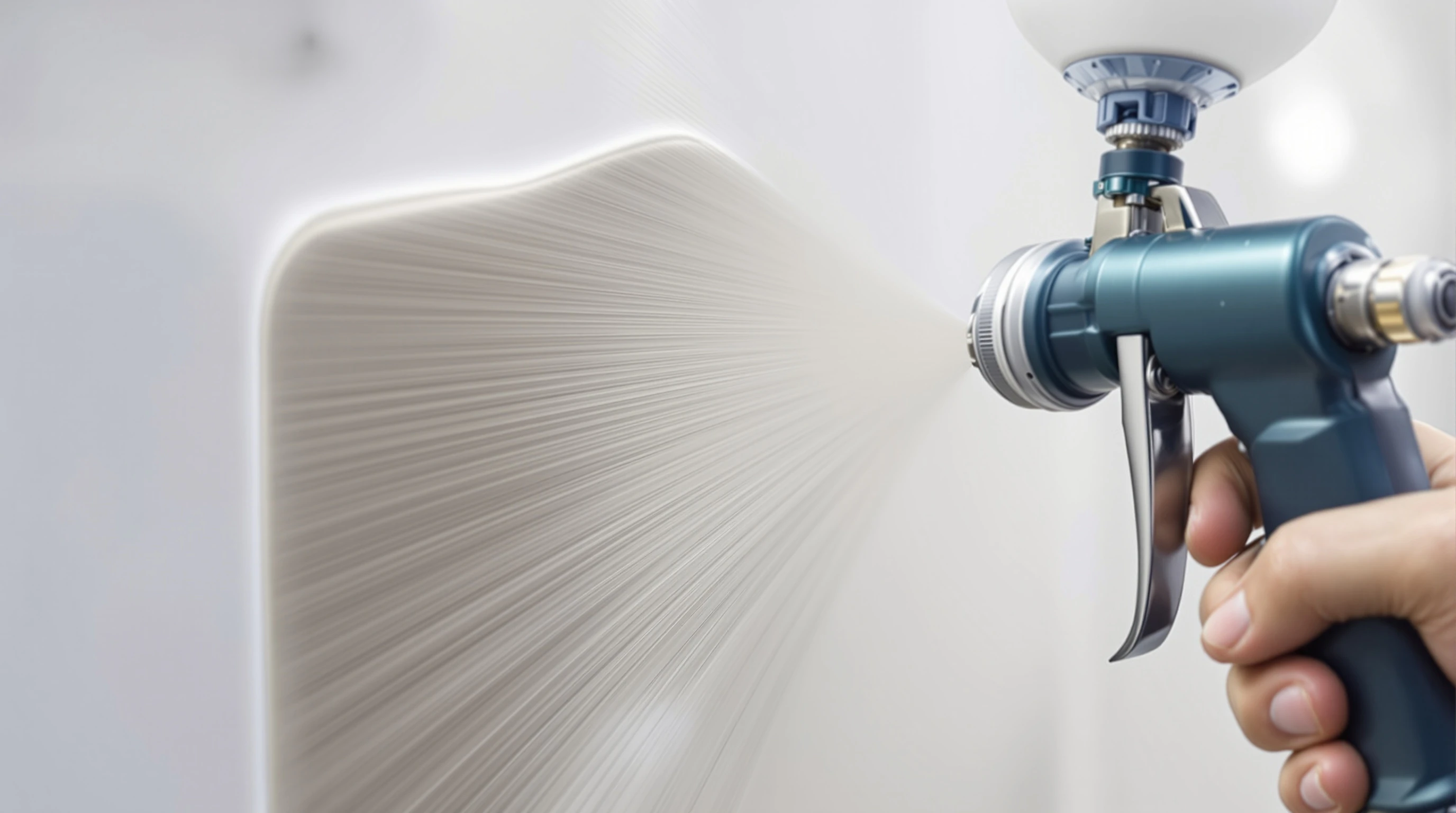
ColoradoKote ceramic coating stops corrosion cold.
Why Cerakote for AM Wear Protection
Ceramic hardness on every AM surface

9H Pencil Hardness
ASTM D3363 verified. Transforms soft polymer AM surfaces to ceramic-grade hardness. End-use parts resist scratching, scuffing, and contact wear in production applications.
8,000+ Taber Abrasion Cycles
ASTM D4060 verified. Protects AM parts from handling wear, particulate erosion, and mechanical contact that degrades uncoated surfaces in weeks.
Surface Finish Improvement
Reduces AM roughness from Ra 6-15 μm to under 3 μm while adding hardness. Wear protection and aesthetic improvement in one application.
Both Polymer and Metal AM
Same wear protection system works on SLS, MJF, DMLS, and SLM parts. One vendor and one coating process for all AM substrates.
AM Wear Protection Specifications
How We Harden AM Surfaces
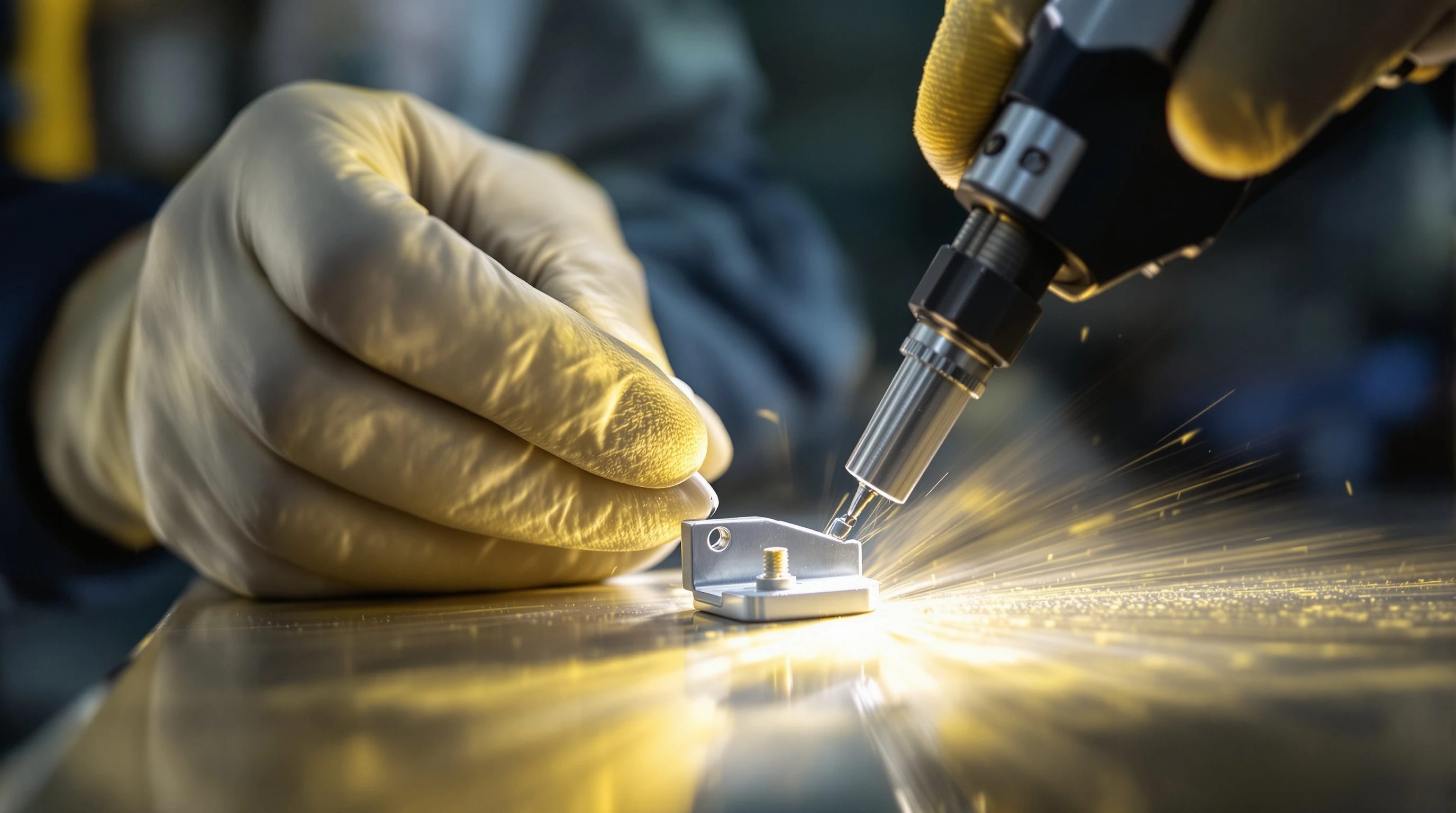
Material-specific protocols for polymer and metal AM
AM Surface Assessment
Parts evaluated for material type, surface roughness, and wear requirements. Build orientation and support removal areas identified for preparation optimization.

Surface Preparation & Coating
Material-specific blasting for optimal adhesion. Cerakote applied in controlled layers for maximum hardness development. Cure temperature matched to substrate material.

Hardness Verification
Post-cure pencil hardness testing confirms 9H. Surface roughness measurement verifies finish improvement. Adhesion and thickness documented on Certificate of Conformance.
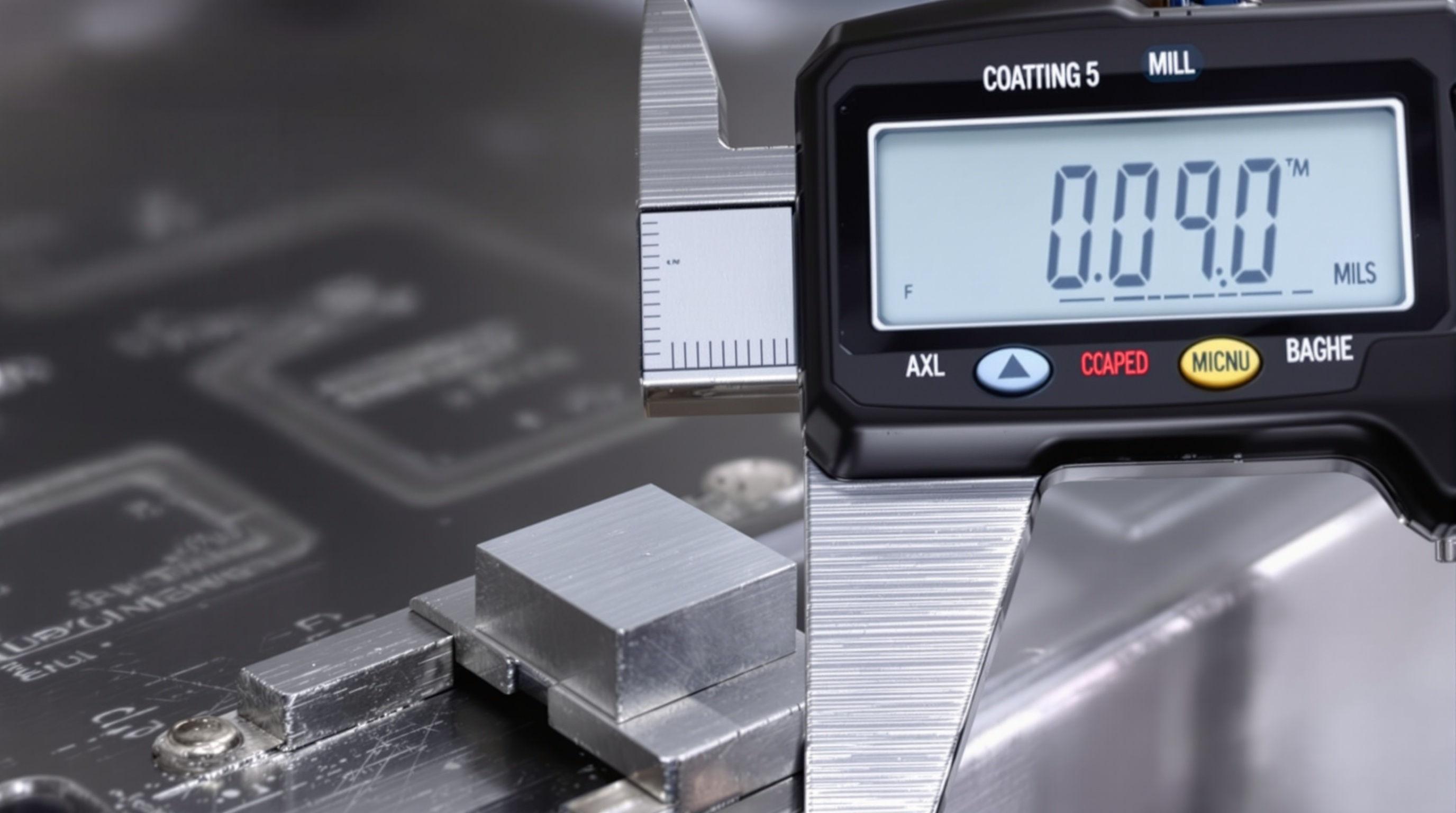
Verified AM Wear Data
Hardness and abrasion data verified through ASTM testing on AM substrates. Results demonstrate transformation from prototype-grade to production-grade surface performance.
Pencil hardness
Taber abrasion cycles
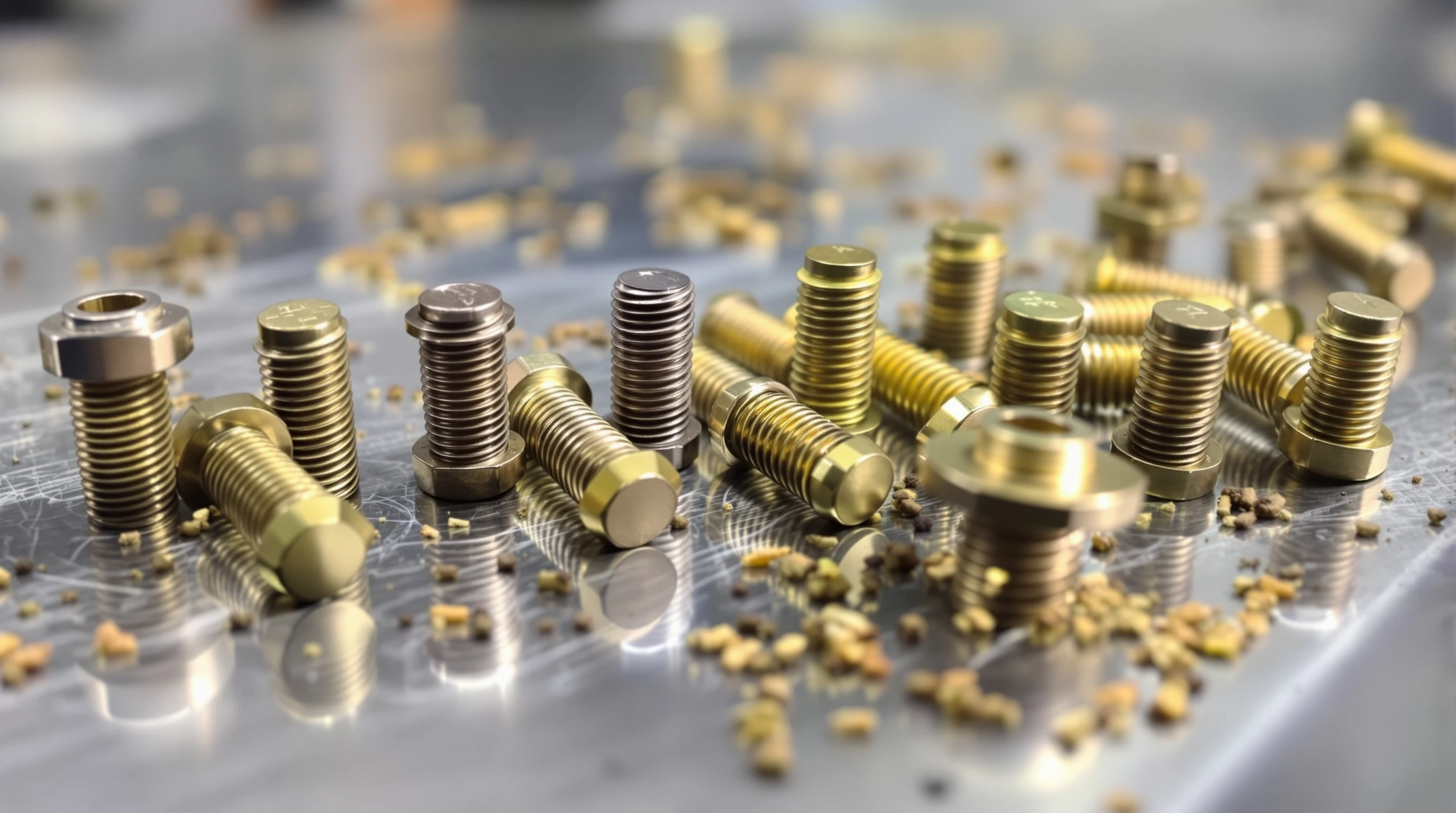
Other services to consider
Explore what else we offer.

Weight Reduction for Oil and Gas Equipment
Thick coatings add mass to equipment transported to remote wellsites and offshore platforms. Cerakote at 0.5-2 mils saves 200-400g per part versus powder coating. ISO 9001 certified.

Weight Reduction for Medical Device Components
Surgical instruments must be light enough for hours of precise use. Cerakote at 0.5-2 mils saves 200-400g per part versus powder coating without compromising protection. ISO 9001 certified.

Weight Reduction for Maritime Equipment
Heavy coatings add mass to marine hardware that affects vessel performance and handling. Cerakote at 0.5-2 mils saves 200-400g per part versus powder coating. ISO 9001 certified.
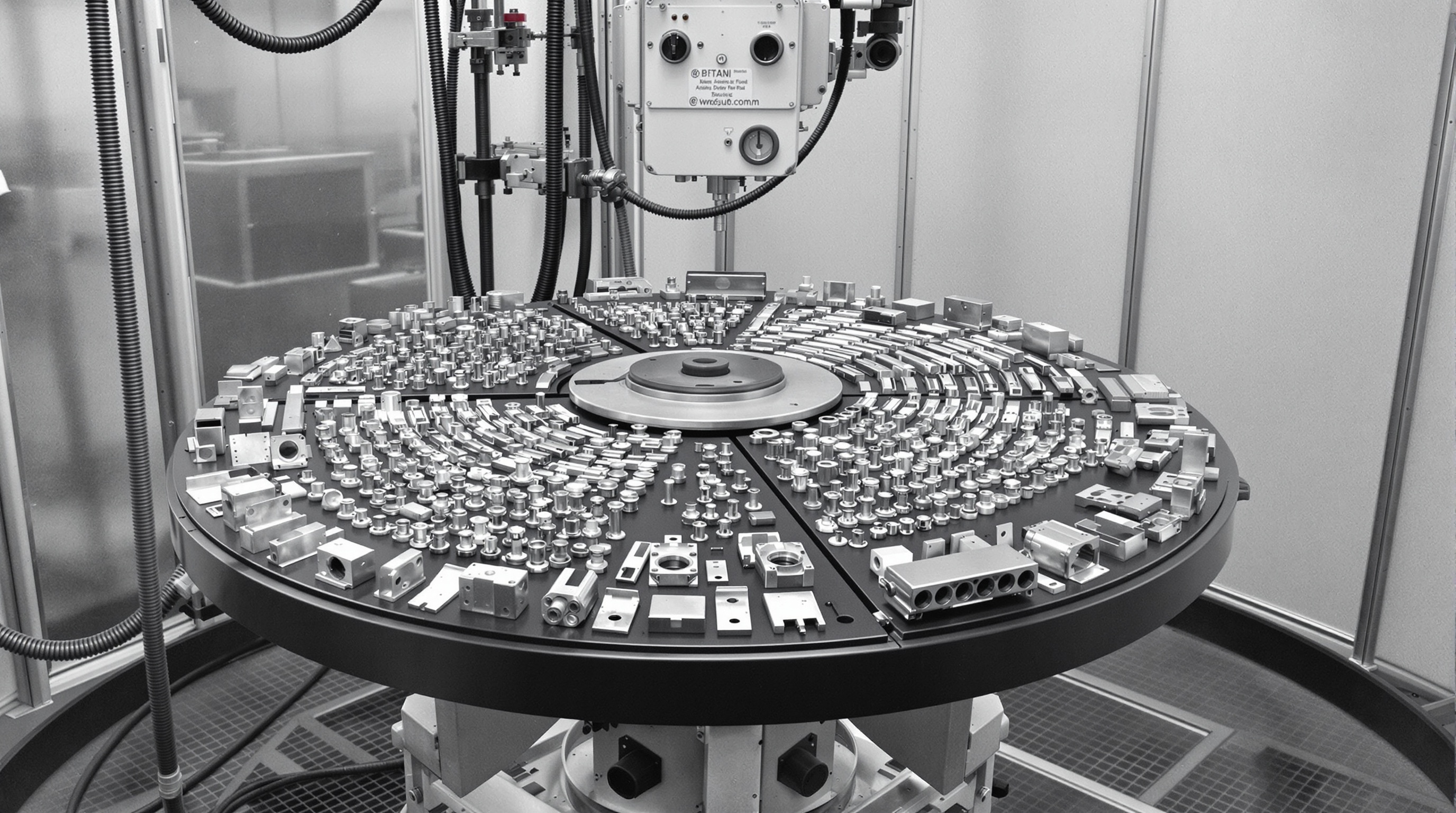
Weight Reduction for Industrial OEM Components
Thick coatings add unnecessary mass to engineered equipment. Cerakote at 0.5-2 mils delivers 200-400g savings per part versus powder coating while preserving tolerances. ISO 9001 certified.
Certified and compliant for your industry
Harden Your AM Parts
Send your AM part details and wear requirements. We respond within 24 hours with surface hardening approach and pricing.
Frequently Asked Questions
Find answers about our coating processes and technical capabilities
Yes. Oil and gas components carry wellbore contaminants including H2S residue, brine crystallization, and production chemical deposits that create adhesion failures if not completely removed. Ultrasonic cavitation removes these contaminants from every surface feature, ensuring clean substrate contact for Cerakote's 3,000-hour salt spray performance. The difference between thorough ultrasonic cleaning and inadequate surface preparation directly determines whether the coating survives the corrosive downhole or surface production environment.
Yes. Every order ships with a Certificate of Conformance documenting coating formulation, lot traceability, thickness measurements, adhesion results, and cure parameters. Our AS9100 quality system generates documentation that meets aerospace and defense requirements, but we provide certificates for all orders regardless of industry. Custom documentation formats and additional test reports are available upon request.
Industrial chemical processing environments expose components to acids, caustics, solvents, and process fluids that attack raw AM surfaces through their inherent porosity. Cerakote seals this porosity and provides a continuous chemical barrier rated for broad chemical resistance. For metal AM parts in chemical processing, the coating prevents corrosion initiation at surface porosity sites that would rapidly degrade uncoated additive builds. This protection extends AM part service life to match or exceed conventionally manufactured equivalents.
Yes. OEM brand colors for aircraft interiors, avionics housings, and equipment panels require documented, repeatable color standards. We capture the target color by spectrophotometer, develop the Cerakote match to Delta E 1.5, and lock the formulation and process parameters into our AS9100 system. Every subsequent order is verified against the original standard. This ensures your brand color is consistent across parts, programs, and years.
Yes. Tillage components, planter wear parts, and ground-engaging equipment face constant soil abrasion that wears through conventional paint and powder coat in hours of field use. Cerakote's 4,000 cycles per mil abrasion resistance maintains both color and protection under soil contact conditions. While ground-engaging cutting edges will eventually wear through any coating, non-contact surfaces like housings, guards, and identification panels retain their color matching throughout the equipment lifecycle.