Wear Protection for Defense
Precision Cerakote ceramic coatings for aerospace, defense, and industrial components.

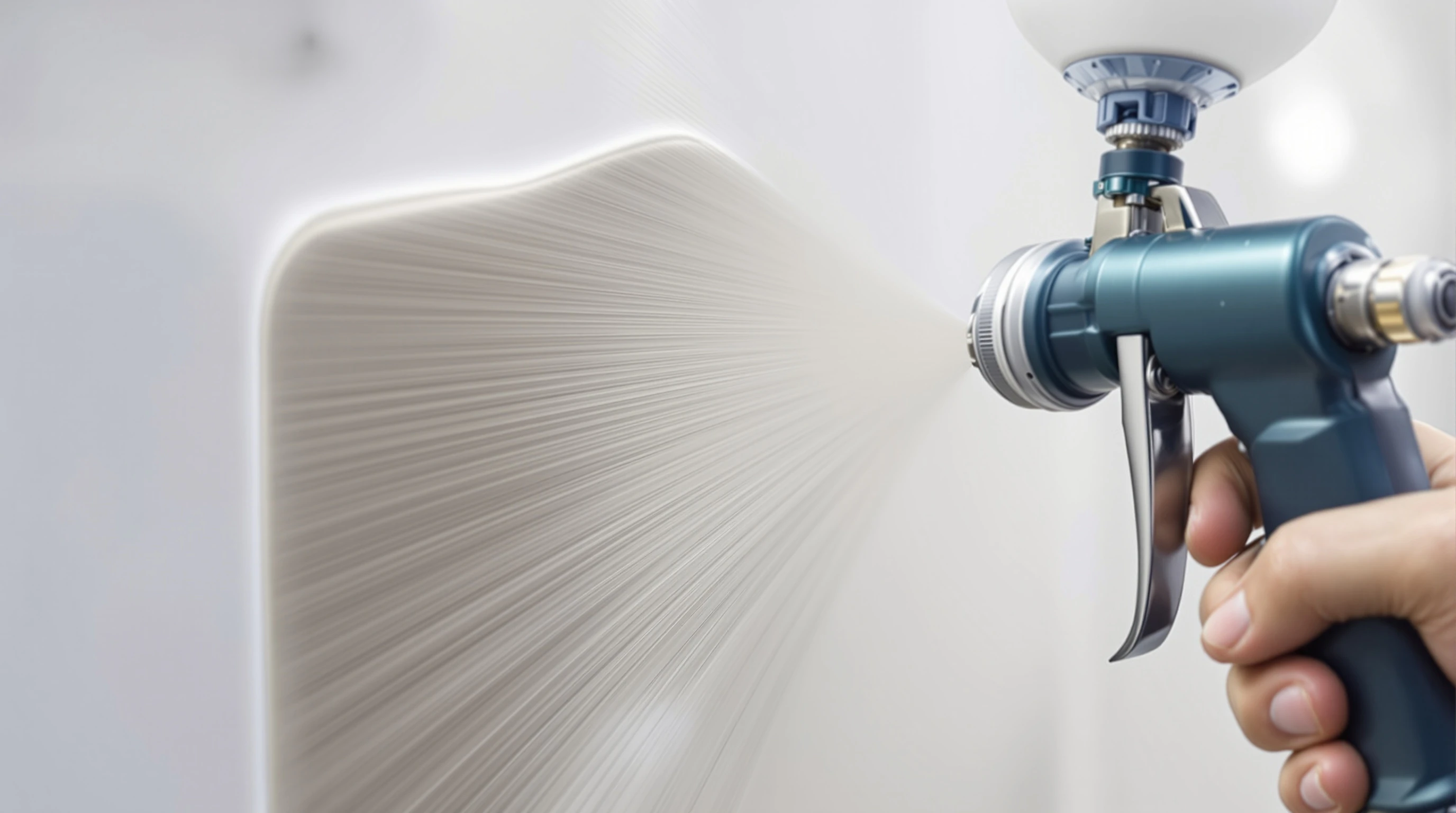
Field Conditions Destroy Conventional Finishes
Sand, impact, and handling wear are constant threats
The challenge
Harsh environments demand coatings that hold.
The solution
ColoradoKote ceramic coating stops corrosion cold.
Why Cerakote for Defense Wear Protection
Ceramic hardness that survives field conditions and decontamination

9H Pencil Hardness
ASTM D3363 verified. Ceramic surface resists sand erosion, tool marks, and sustained mechanical contact that wears through conventional mil-spec paint in weeks of field use.
8,000+ Taber Abrasion Cycles
ASTM D4060 verified. Quantified wear resistance for engineering evaluation. Outperforms phosphate, parkerizing, and standard military paint in abrasion protection.
160/160 in-lbs Impact Resistance
ASTM D2794 verified. Absorbs impact from drops, strikes, and rough handling without cracking or delaminating. Critical for equipment in active field conditions.
Decontamination Survivable
Maintains hardness and adhesion through CBRN decontamination protocols. Equipment retains wear protection after decon procedures that destroy conventional finishes.
Defense Wear Specifications
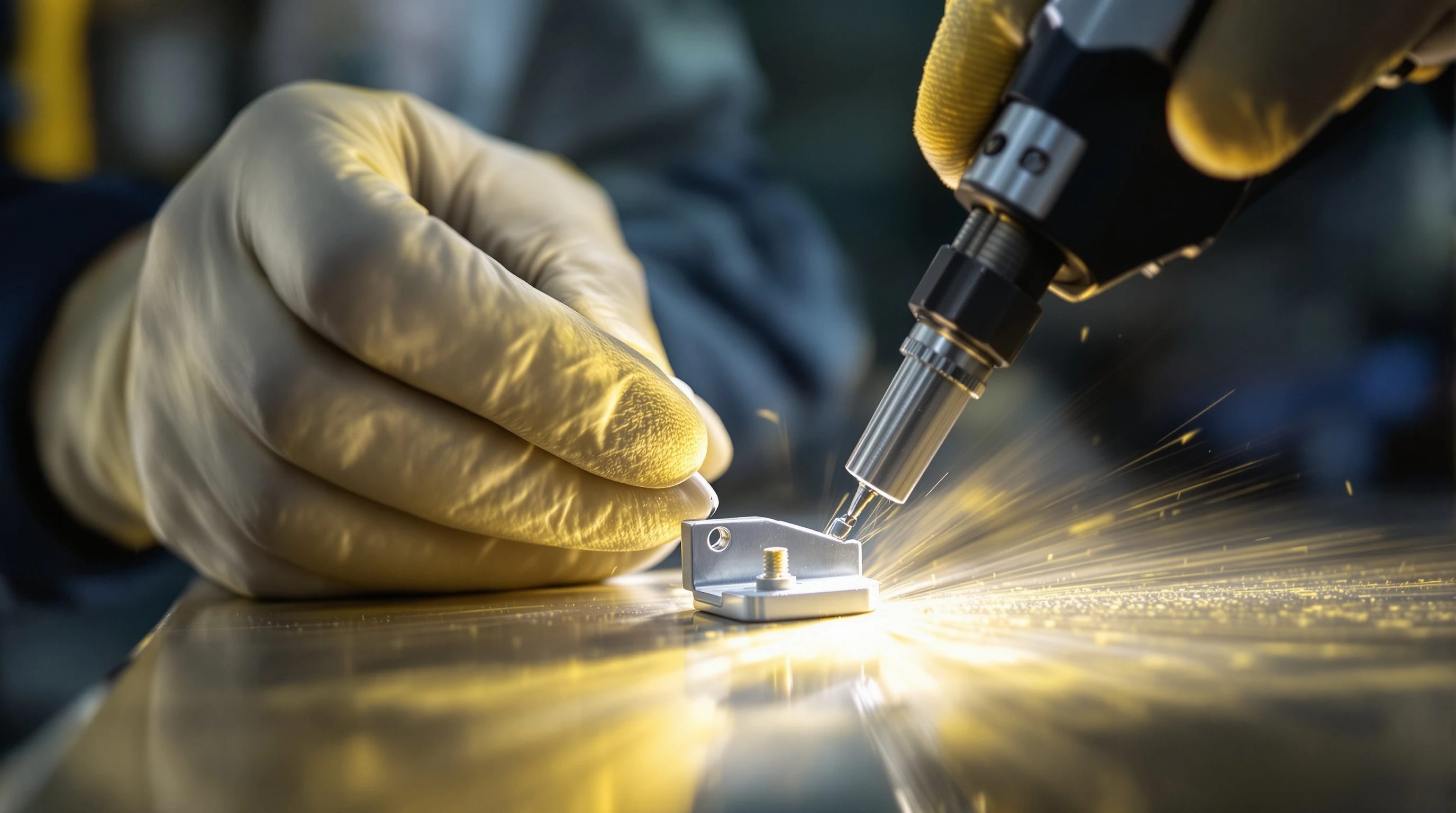
How We Protect Defense Equipment From Wear
ITAR-controlled surface hardening with full traceability
ITAR-Controlled Assessment
Equipment received under ITAR protocols. Wear exposure conditions and mil-spec requirements documented. Coating formulation selected for maximum hardness and field durability.

Surface Preparation & Application
Media blasting to specified profile for maximum adhesion. Cerakote H-Series applied for maximum hardness development. Thickness verified at wear-critical surfaces.
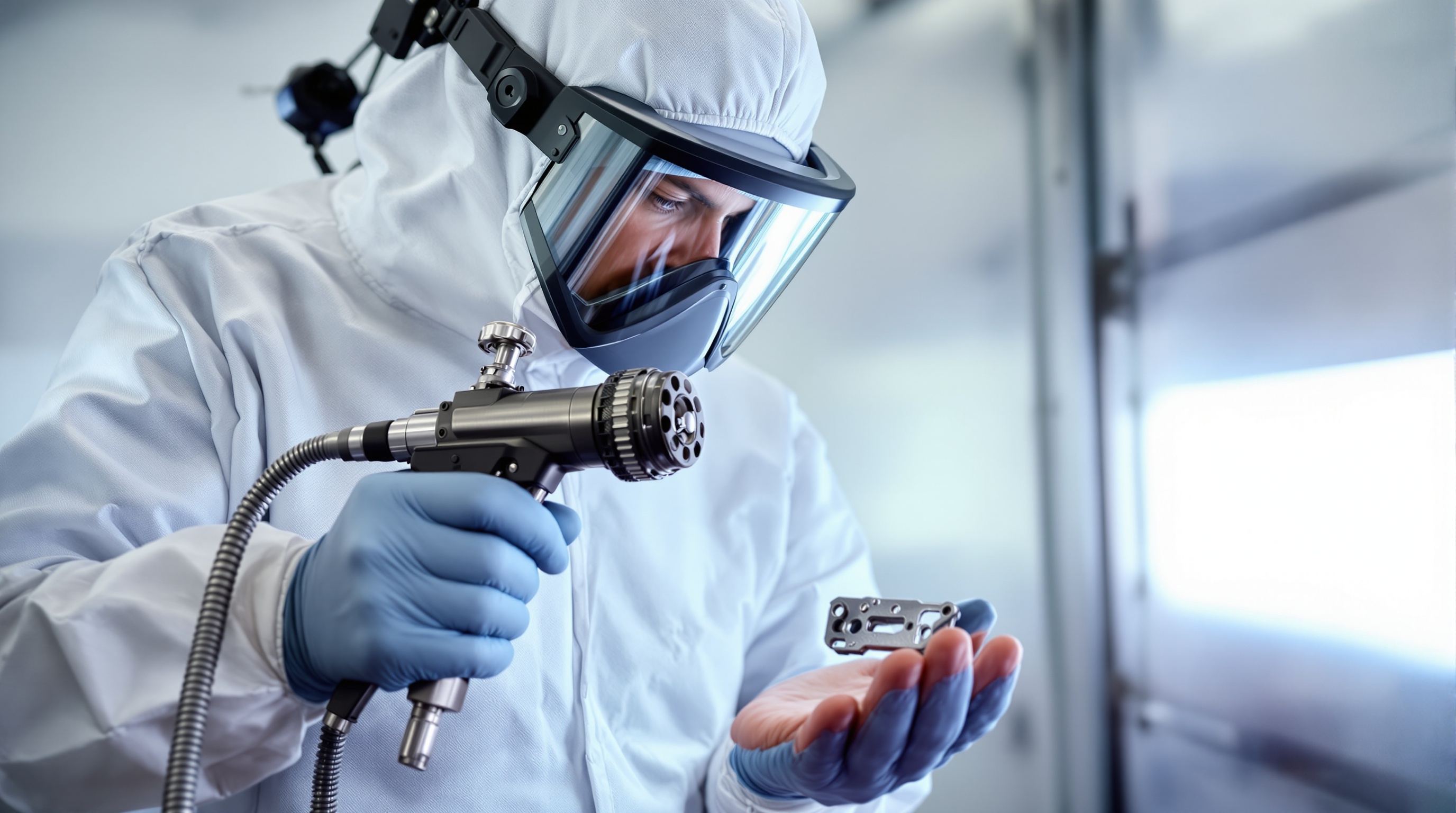
Hardness Verification & Documentation
Post-cure pencil hardness testing confirms 9H. Adhesion testing. Certificate of Conformance with ITAR-controlled traceability and all test data for defense program compliance.

Verified Defense Wear Performance
Hardness, abrasion, and impact resistance verified through ASTM testing under controlled conditions. Performance data supports mil-spec evaluation for equipment protection programs.
Field-proven durability
Cerakote's ceramic matrix delivers quantified wear performance that exceeds conventional military finishes while surviving the chemical decontamination protocols that strip those finishes away.
Pencil hardness
Impact resistance (in-lbs)
Other services to consider
Explore what else we offer.

Weight Reduction for Oil and Gas Equipment
Thick coatings add mass to equipment transported to remote wellsites and offshore platforms. Cerakote at 0.5-2 mils saves 200-400g per part versus powder coating. ISO 9001 certified.

Weight Reduction for Medical Device Components
Surgical instruments must be light enough for hours of precise use. Cerakote at 0.5-2 mils saves 200-400g per part versus powder coating without compromising protection. ISO 9001 certified.

Weight Reduction for Maritime Equipment
Heavy coatings add mass to marine hardware that affects vessel performance and handling. Cerakote at 0.5-2 mils saves 200-400g per part versus powder coating. ISO 9001 certified.
Weight Reduction for Industrial OEM Components
Thick coatings add unnecessary mass to engineered equipment. Cerakote at 0.5-2 mils delivers 200-400g savings per part versus powder coating while preserving tolerances. ISO 9001 certified.
Certified and compliant for your industry
Protect Defense Equipment From Wear
Request an ITAR-compliant wear protection quote. We respond within 24 hours with approach and pricing.
Frequently Asked Questions
Find answers about our coating processes and technical capabilities
ColoradoKote coats marine hardware, deck fittings, hatch mechanisms, railing components, navigation equipment housings, and engine room parts exposed to salt water and marine atmosphere. Cerakote's 3,000-hour salt spray performance per ASTM B117 directly addresses the accelerated corrosion salt water environments cause. Our chemical conversion and passivation capabilities prep aluminum and stainless steel substrates before topcoating.
Performance vehicles prioritize weight reduction and dimensional precision. Cerakote's 0.5 to 2 mil film build adds minimal weight to headers, intake manifolds, suspension arms, and other components where every ounce is optimized. The thin profile also preserves clearances on brake calipers, wheel fitment, and sliding suspension components that powder coat's 4 to 6 mil buildup would compromise.
We coat hydraulic cylinders, implement pins, seed metering components, sprayer nozzle bodies, PTO guards, grain handling surfaces, and precision planting hardware. The same documented quality controls from our AS9100 and ISO 9001 systems ensure consistent coating quality on agricultural components. Contact us with your component specifications and operating environment for a technical assessment and quote.
Yes. We mask threads, mating surfaces, bearing bores, electrical contacts, and any other features that must remain uncoated per your engineering requirements. Masking specifications are confirmed during the quoting process and documented in our production traveler. Our AS9100 quality system includes masking verification as a controlled process step, ensuring critical surfaces remain protected from coating application.
Yes. Polymer coating's flexibility makes it particularly well-suited for components that cycle between temperature extremes. The coating expands and contracts with the substrate without cracking, delaminating, or losing adhesion. This thermal cycling durability is critical for engine components, exhaust systems, industrial process equipment, and outdoor installations that experience daily or operational temperature swings. Cerakote V-Series handles extreme heat up to 2,000 degrees F, but polymer coating handles the flex that comes with thermal cycling better.