Wear Protection for Industrial
Precision Cerakote ceramic coatings for aerospace, defense, and industrial components.
Industrial Wear Drives Downtime and Replacement
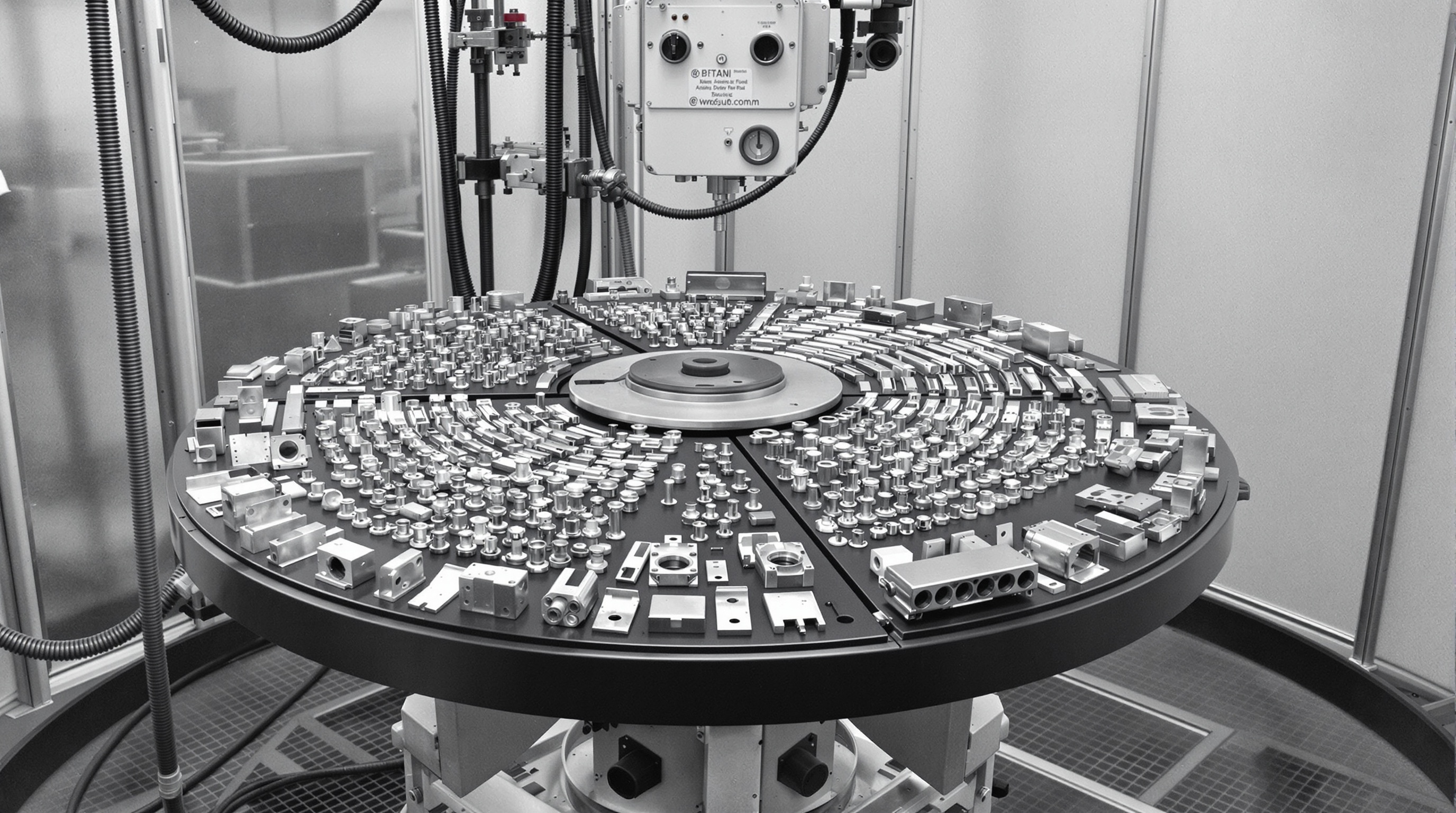
Abrasion, erosion, and contact wear are constant
The challenge
Harsh environments demand coatings that hold.
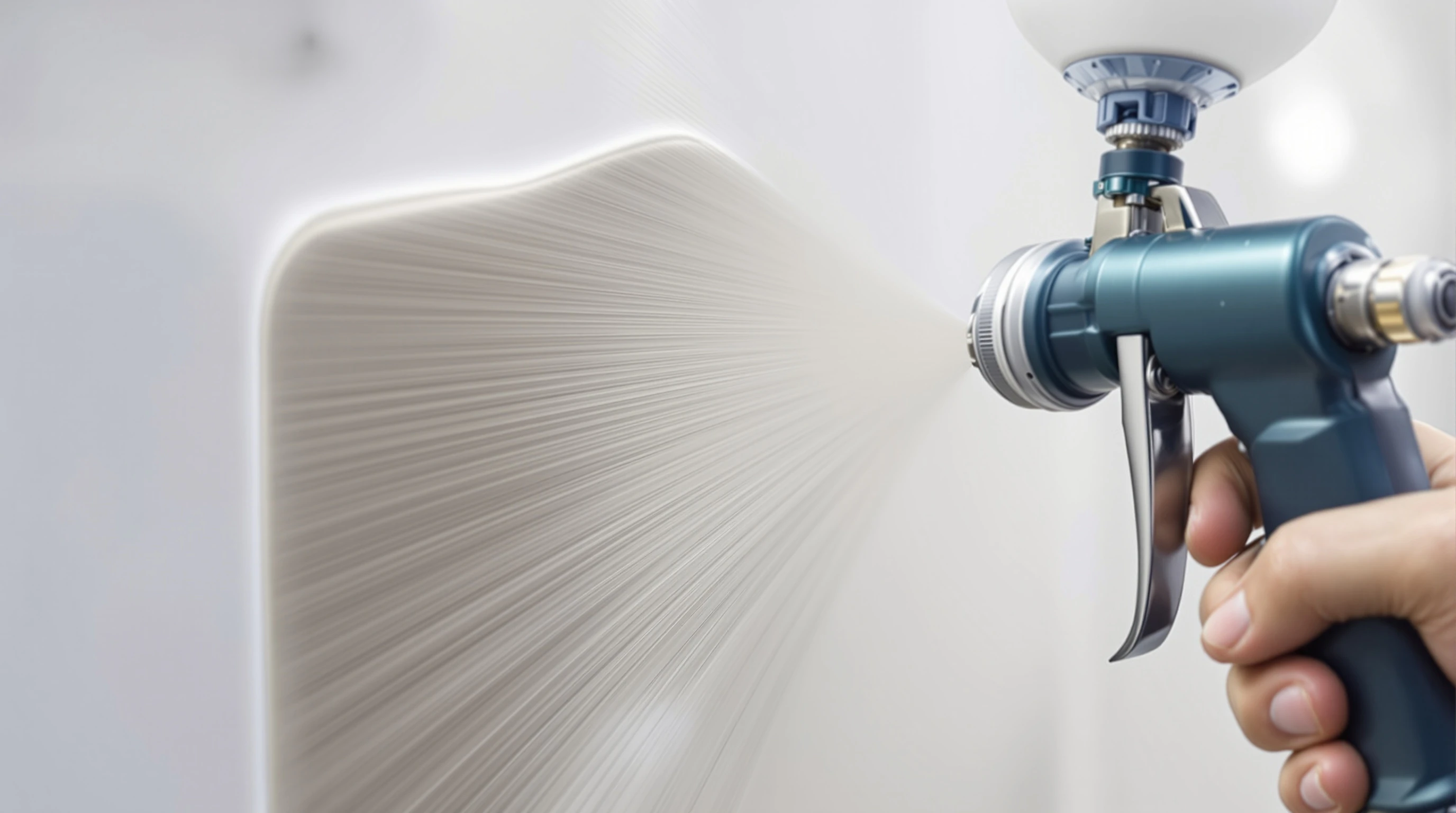
The solution
ColoradoKote ceramic coating stops corrosion cold.
Why Cerakote for Industrial Wear Protection
Ceramic hardness at production volume

9H Pencil Hardness
ASTM D3363 verified. Ceramic surface resists particle erosion, mechanical contact, and abrasive wear on pump housings, valve bodies, and production tooling.
8,000+ Taber Abrasion Cycles
ASTM D4060 verified. Quantified wear resistance outperforms industrial paint and powder coating by orders of magnitude on high-wear industrial surfaces.
Thin-Film Precision
Full wear protection at 0.5-2 mils. Maintains critical tolerances on precision OEM components. No post-coating machining or dimensional adjustment required.
Production Volume Consistency
ISO 9001 quality system ensures repeatable hardness and wear performance across production runs. Documented lot traceability for OEM quality requirements.
Industrial Wear Specifications
How We Protect Industrial Components From Wear
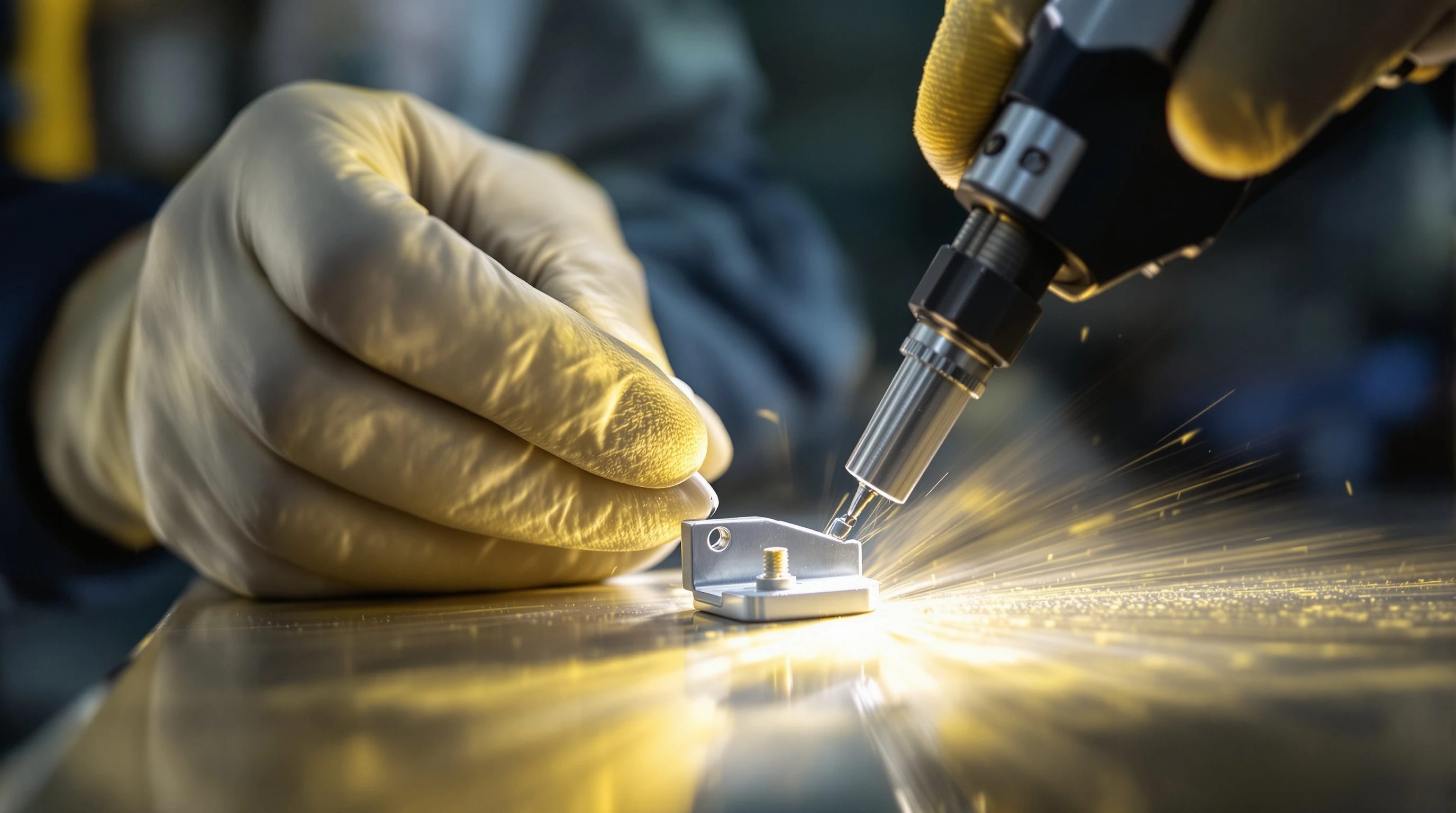
ISO 9001 documented surface hardening for production volumes
Wear Assessment & Planning
Component wear patterns and exposure conditions documented. Cerakote formulation selected for maximum hardness at operating temperature. Critical wear surfaces identified.

Surface Preparation & Application
Media blasting to optimal adhesion profile. Cerakote applied at 0.5-2 mils targeting wear-critical surfaces. In-process thickness verification on each component.

Hardness Test & Document
Post-cure pencil hardness testing confirms 9H. Adhesion and thickness verified. Certificate of Conformance with material traceability and test data for ISO 9001 records.
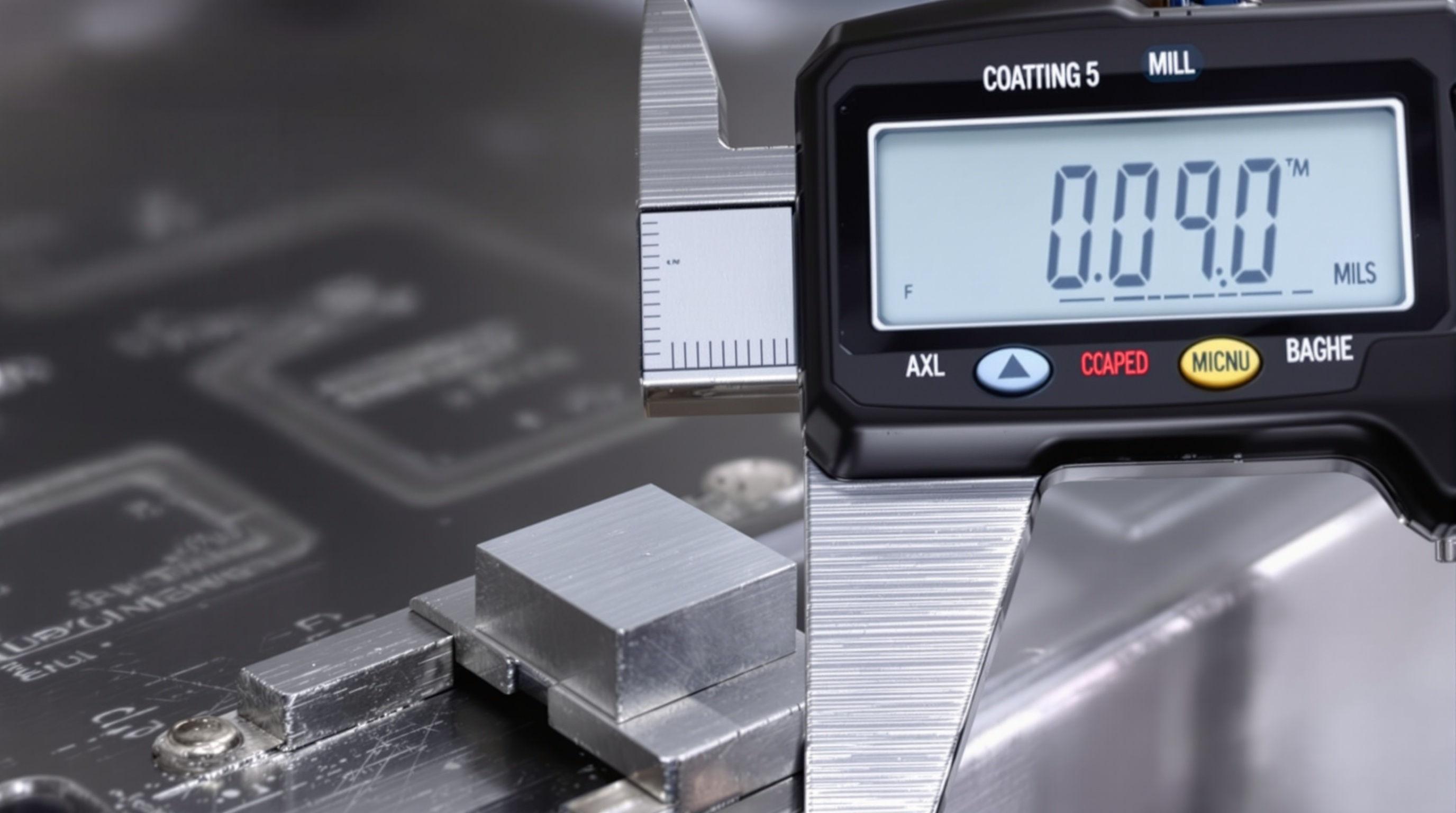
Verified Industrial Wear Data
Hardness and abrasion resistance verified through ASTM testing on industrial substrates. Performance data supports engineering evaluation for equipment protection and life extension programs.
Pencil hardness
Taber abrasion cycles
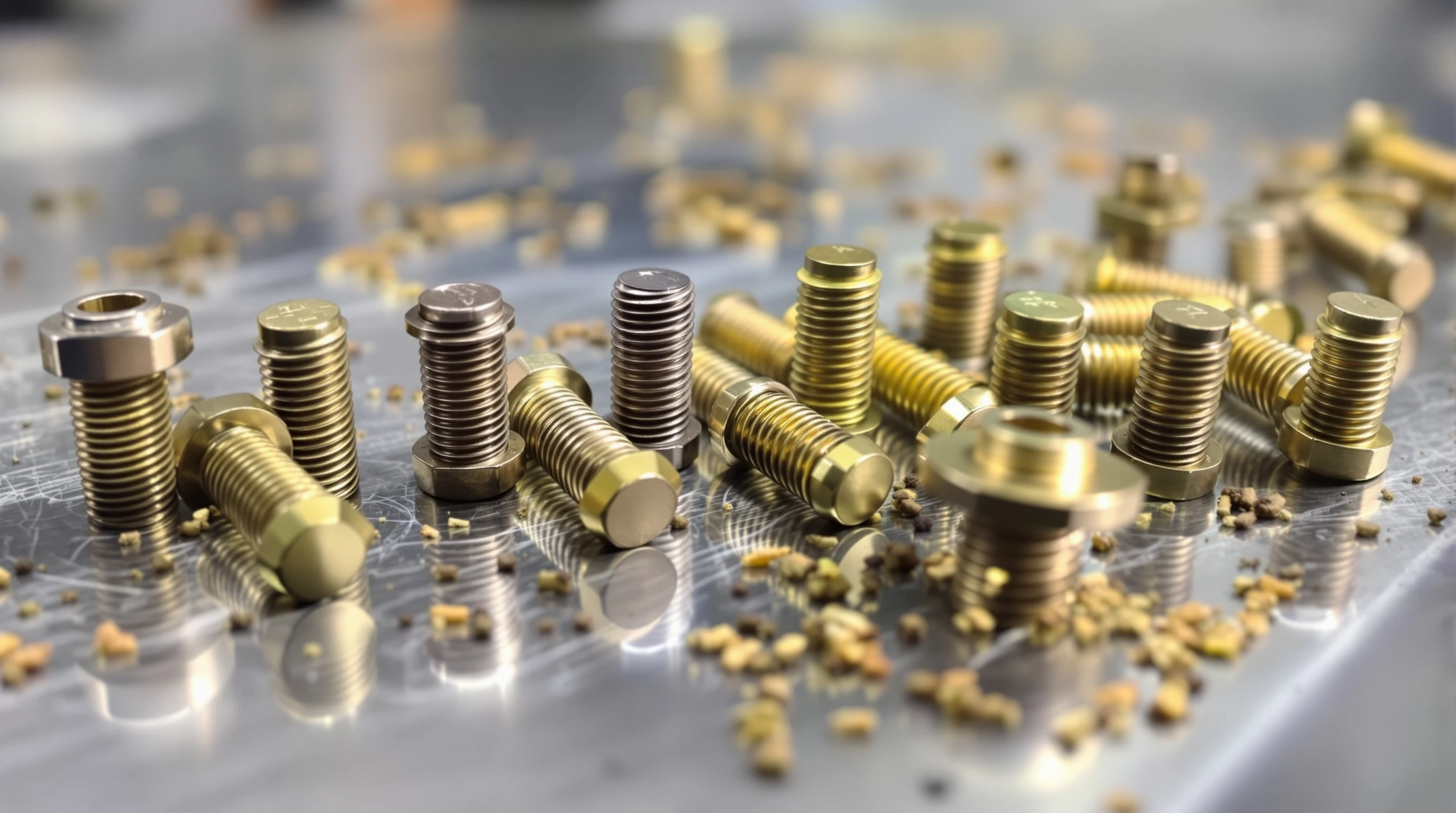
Other services to consider
Explore what else we offer.

Weight Reduction for Oil and Gas Equipment
Thick coatings add mass to equipment transported to remote wellsites and offshore platforms. Cerakote at 0.5-2 mils saves 200-400g per part versus powder coating. ISO 9001 certified.

Weight Reduction for Medical Device Components
Surgical instruments must be light enough for hours of precise use. Cerakote at 0.5-2 mils saves 200-400g per part versus powder coating without compromising protection. ISO 9001 certified.

Weight Reduction for Maritime Equipment
Heavy coatings add mass to marine hardware that affects vessel performance and handling. Cerakote at 0.5-2 mils saves 200-400g per part versus powder coating. ISO 9001 certified.
Weight Reduction for Industrial OEM Components
Thick coatings add unnecessary mass to engineered equipment. Cerakote at 0.5-2 mils delivers 200-400g savings per part versus powder coating while preserving tolerances. ISO 9001 certified.
Certified and compliant for your industry
Extend Equipment Service Life
Send your component details and wear conditions. We respond within 24 hours with protection approach and pricing.
Frequently Asked Questions
Find answers about our coating processes and technical capabilities
Pipeline fittings exposed to soil moisture, groundwater, and atmospheric conditions benefit from Cerakote's 3,000-hour salt spray resistance as an external corrosion barrier. The coating's thin 0.5 to 2 mil profile preserves thread engagement and flange sealing surfaces that thicker coatings would compromise. Our sandblasting service at 80 to 100 PSI achieves the surface profile needed for maximum adhesion on large-diameter fittings.
Safety-critical color coding on industrial equipment, such as OSHA-compliant marking of hazard zones, emergency stops, and pressure ratings, requires durable, consistent color that does not fade or chip in harsh environments. Cerakote maintains color stability through chemical exposure, UV, abrasion, and thermal cycling that would degrade conventional paint. We match safety colors to your specification and verify by spectrophotometer to ensure compliance is maintained throughout the equipment service life.
Yes. Color coding for safety, system identification, and regulatory compliance maintains its accuracy through exposure to wellsite conditions. Cerakote's UV stability, chemical resistance, and 9H hardness prevent the fading, discoloration, and wear that make conventional paint unreadable on oilfield equipment. Our Delta E 1.5 color matching ensures replacement components match existing equipment for consistent field identification.
Yes. We perform chemical conversion coating per MIL-DTL-5541 on aluminum substrates followed by Cerakote ceramic topcoat, all under one roof. This combined stack eliminates the need to ship parts between vendors, reducing lead time and handling risk. Our 14-day standard turnaround with 3-day and 7-day expedited options keeps your production schedule on track.
Yes. Sandblasting at 80 to 100 PSI removes existing corrosion, scale, and failed coatings, then Cerakote's thin 0.5 to 2 mil film build restores protection without affecting fit or function. This is significantly more cost-effective than replacing components, especially for specialized parts with long lead times. The coating's abrasion resistance and corrosion protection often exceeds what the original factory finish provided.