
Weight Reduction for Additive Manufacturing
Precision Cerakote ceramic coatings for aerospace, defense, and industrial components.
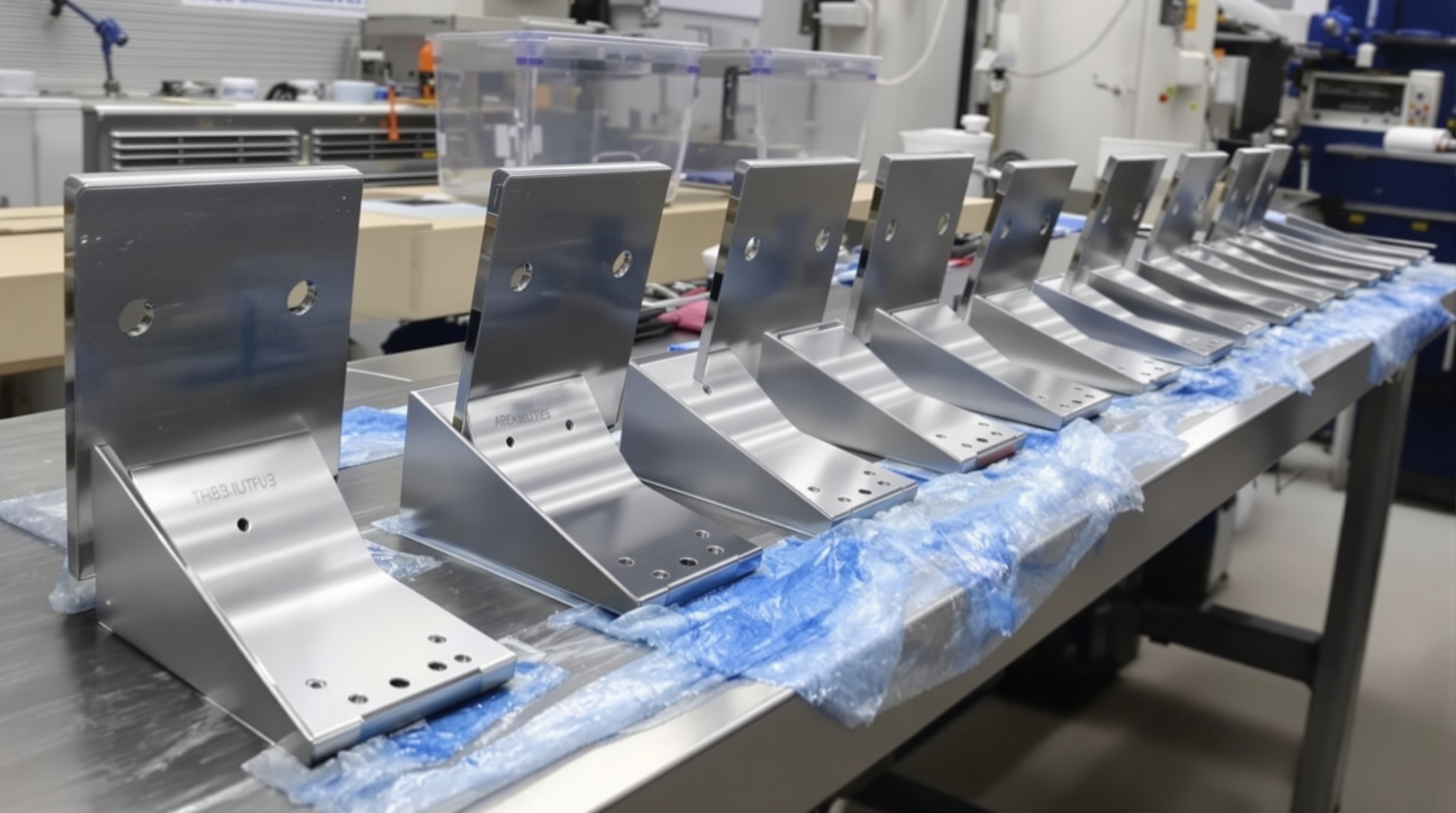
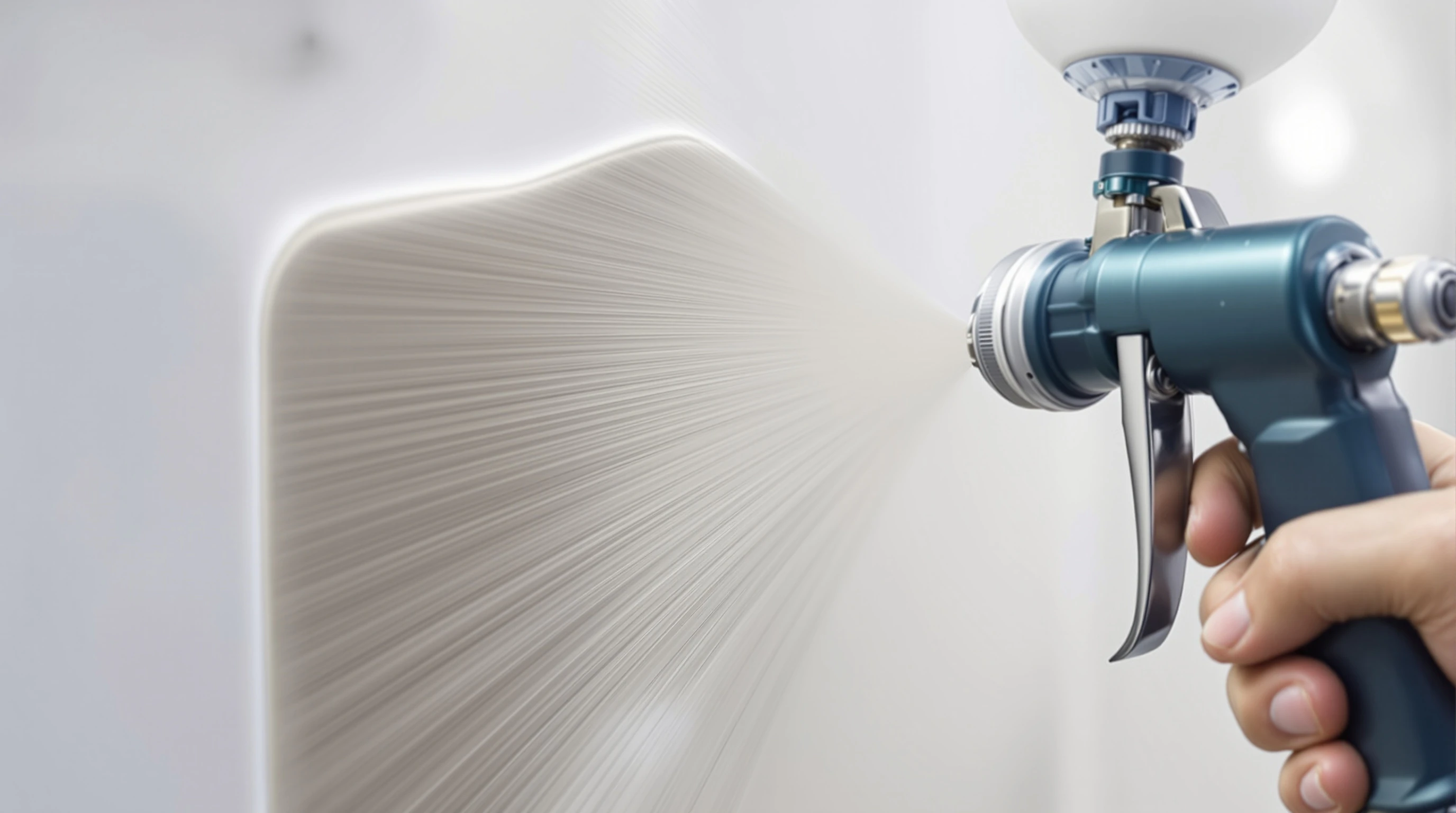
The Weight Problem in AM Post-Processing
Where thick coatings undo topology optimization
The challenge
Harsh environments demand coatings that hold.
The solution
ColoradoKote ceramic coating stops corrosion cold.
Why Cerakote for AM Weight Reduction
Thin-film protection built for printed geometries

200-400g savings per printed part
Cerakote at 0.5-2 mils replaces powder coating at 3-5 mils, preserving the mass savings that topology optimization and lattice structures deliver. On PA12 MJF brackets and metal AM housings alike, the thin film adds protection without measurable weight penalty relative to uncoated part weight.
Complex geometry conformance
Thin-film application follows lattice structures, conformal cooling channels, and topology-optimized features without bridging or material buildup. Internal passages remain open. Fine features remain defined. The coating conforms to the geometry rather than obscuring it, preserving the functional advantages of additive design.
Full AS9100 documentation for AM programs
Certificate of Conformance includes DFT measurements, material batch records, cure parameters, and pre- and post-coating weight data. Aerospace AM programs receive AS9100-compliant documentation with First Article Inspection reports available upon request. ITAR registration covers defense AM components.
Multi-material compatibility
One coating process covers PA12, PA11, glass-filled nylon, Ti-6Al-4V, AlSi10Mg, Inconel, and stainless steel. Mixed-material AM assemblies coat under a single work order with consistent thickness and weight documentation across all substrates, simplifying supply chain management for multi-material builds.
Weight Reduction Specs for AM Parts
How We Deliver Weight Reduction for AM Parts
Material-specific protocols that preserve printed geometry and minimize mass
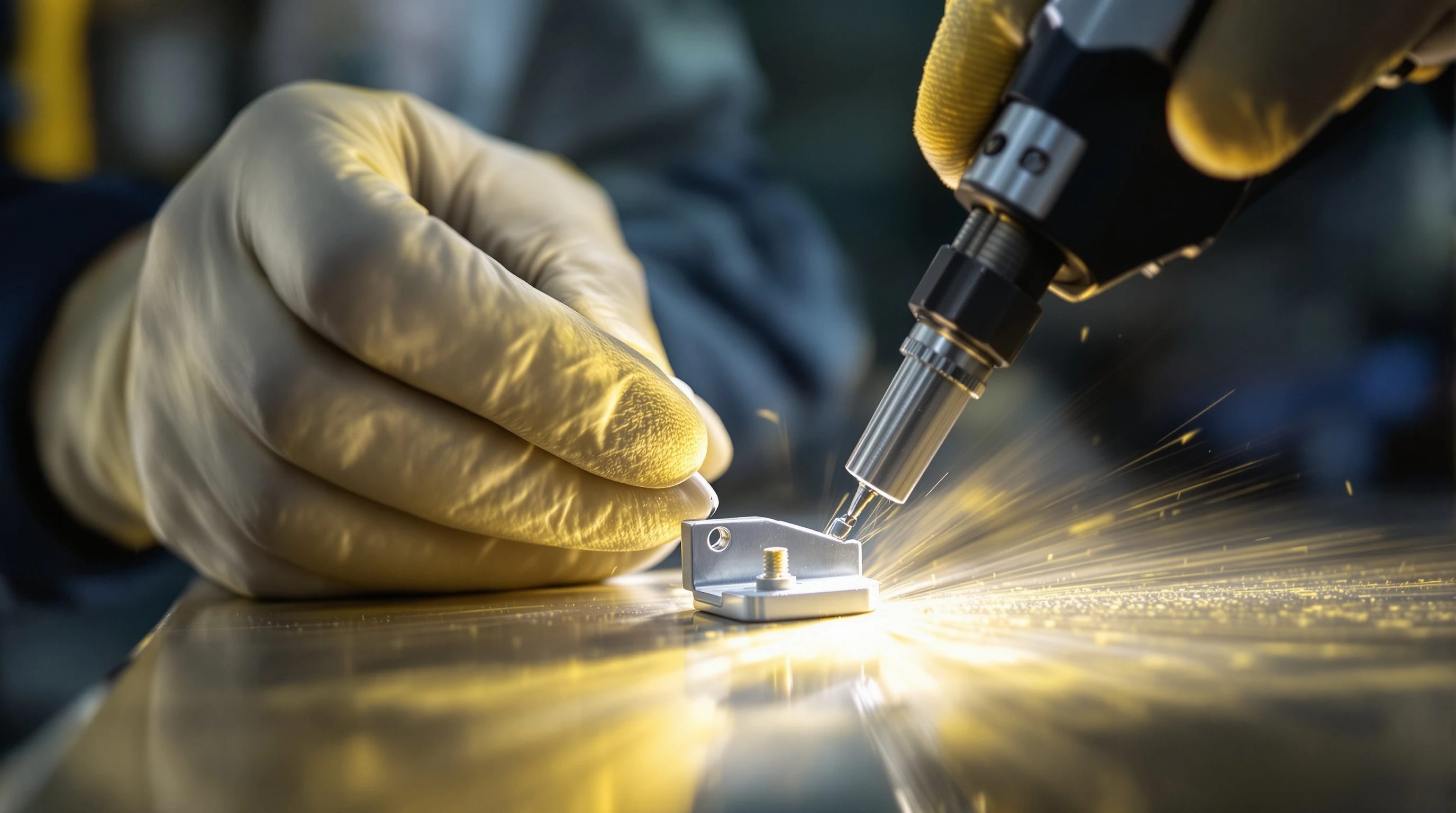
Material Assessment and Surface Preparation
Each AM part is identified by substrate: PA12, PA11, Ti-6Al-4V, AlSi10Mg, or Inconel. Polymer parts receive low-pressure aluminum oxide blasting at 30-40 PSI to prepare the surface without distorting thin walls or lattice features. Metal AM parts receive tailored blasting to remove support structure witness marks. Ultrasonic cleaning follows to eliminate residual media.
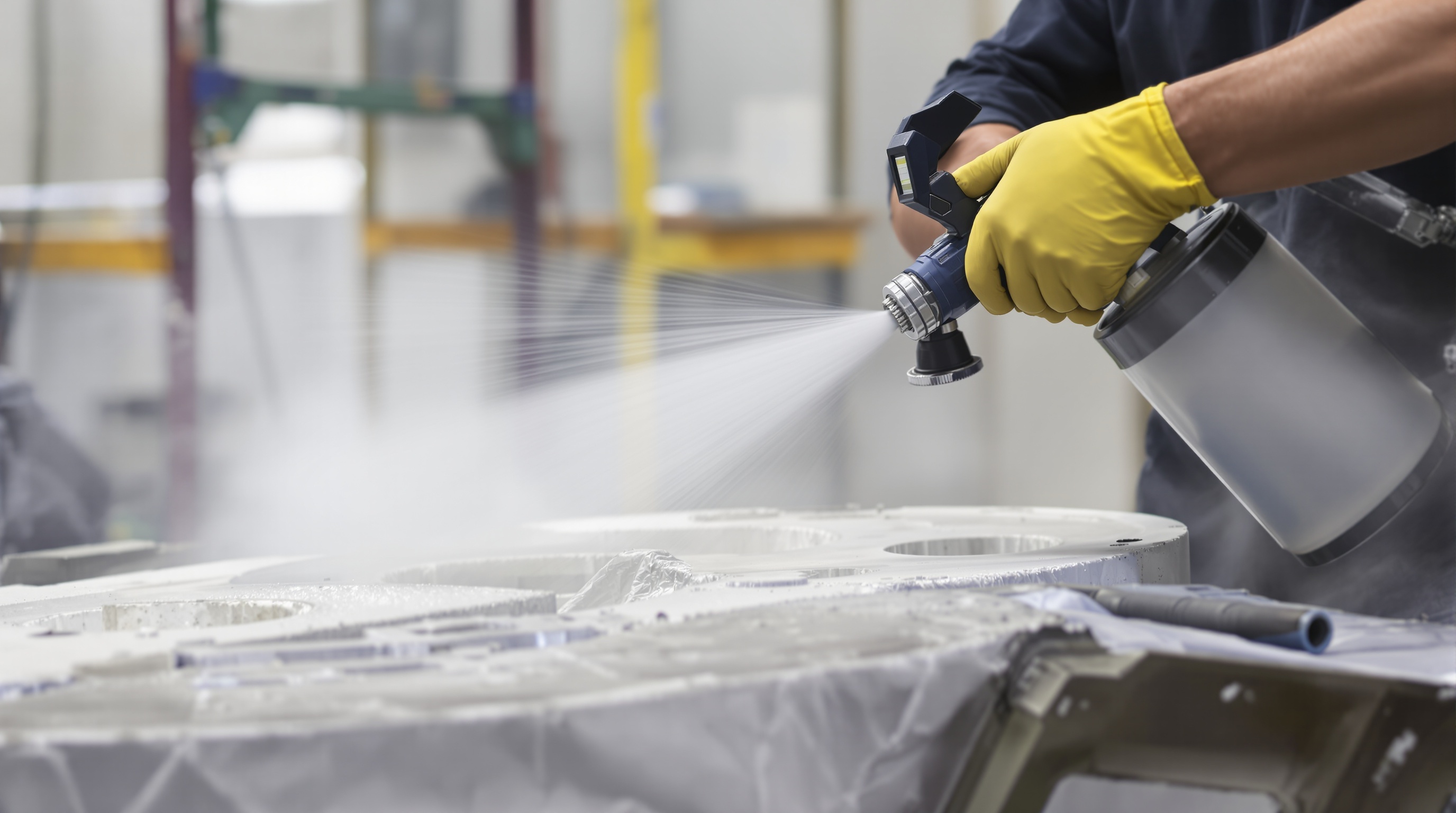
Thin-Film Coating Application
Cerakote is applied via calibrated HVLP equipment targeting 0.5-2 mils. In-process DFT measurements confirm uniform thickness across complex geometry, including lattice openings and internal passages. Polymer parts cure at 250 F, below PA12 heat deflection temperature, to prevent warping. Metal AM parts follow standard cure profiles at 250-300 F.

Weight Verification and Documentation
Pre- and post-coating weight measurements quantify actual coating mass added to each part. CMM measurement confirms parts remain within the plus or minus 0.005 inch tolerance envelope. Before-and-after Ra measurements document surface finish improvement. Certificate of Conformance includes weight data, DFT readings, and dimensional verification.

Verified Weight Savings for AM Components
Weight reduction claims are verified through gravimetric analysis on every AM production lot. Pre- and post-coating measurements document the actual mass added by thin-film application, providing your engineering team with data for weight budgets and design validation.
200-400g savings per part vs powder coating
At 0.5-2 mils versus 3-5 mils, each topology-optimized component retains its designed mass advantage. For aerospace AM programs, this data feeds directly into weight and balance documentation. Surface finish improves from Ra 8-15 micrometers to under 3 micrometers simultaneously, delivering two outcomes in a single coating step.
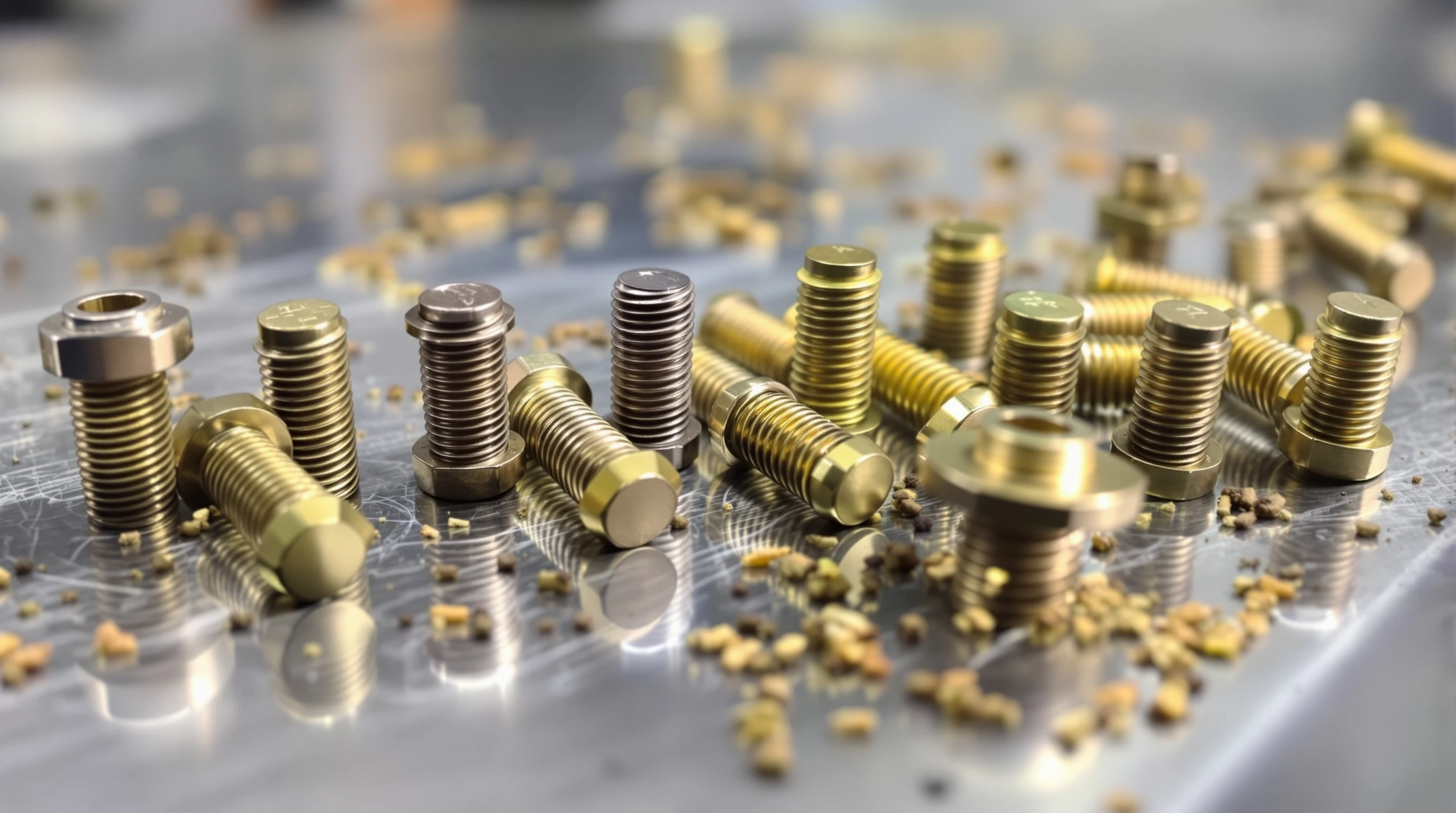
Weight savings vs powder coating
Other services to consider
Explore what else we offer.

Weight Reduction for Oil and Gas Equipment
Thick coatings add mass to equipment transported to remote wellsites and offshore platforms. Cerakote at 0.5-2 mils saves 200-400g per part versus powder coating. ISO 9001 certified.

Weight Reduction for Medical Device Components
Surgical instruments must be light enough for hours of precise use. Cerakote at 0.5-2 mils saves 200-400g per part versus powder coating without compromising protection. ISO 9001 certified.

Weight Reduction for Maritime Equipment
Heavy coatings add mass to marine hardware that affects vessel performance and handling. Cerakote at 0.5-2 mils saves 200-400g per part versus powder coating. ISO 9001 certified.
Weight Reduction for Industrial OEM Components
Thick coatings add unnecessary mass to engineered equipment. Cerakote at 0.5-2 mils delivers 200-400g savings per part versus powder coating while preserving tolerances. ISO 9001 certified.
Certified and compliant for your industry


Protect AM Parts Without Adding Mass
Send part files for a weight analysis. We respond within 24 hours with coating specifications.
Frequently Asked Questions
Find answers about our coating processes and technical capabilities
Chemical conversion coating is widely used on medical device aluminum housings and enclosures where corrosion resistance and paint adhesion are required. The sub-micron layer adds virtually zero dimensional change, which is critical for devices with tight mechanical tolerances. For medical components needing additional protection or specific colors, we can apply Cerakote over the conversion layer for 3,000 hours of salt spray resistance at just 0.5-2 mils.
Yes. At 0.5-2 mils, Cerakote preserves crisp edges, knurling detail, engraved text, and machined surface features that powder coating at 4-6 mils buries or rounds over. This is particularly important for branded components, serialized parts, and decorative hardware where surface detail is part of the design intent. The thin film also produces a more uniform surface appearance without the orange-peel texture common in thicker coatings.
Cerakote's ceramic matrix resists degradation from fertilizers, herbicides, pesticides, and other agricultural chemicals that attack conventional paint and powder coat finishes. The coating's molecular barrier prevents chemical penetration to the substrate, extending equipment life in chemically aggressive environments. Combined with 4,000 cycles per mil abrasion resistance, Cerakote handles both the chemical and physical abuse farm equipment endures.
Yes. Our spectrophotometer-verified color matching replicates OEM brand colors to within Delta E 1.5, ensuring coated components match your corporate identity specifications exactly. We document the color standard for each OEM program and maintain it across production runs for consistent branded appearance. This is particularly valuable for customer-visible equipment housings, control panels, and branded components.
Yes. Color-coded Cerakote finishes help surgical teams quickly identify instrument types, sizes, and sets during procedures. Our spectrophotometer-verified matching to Delta E 1.5 ensures consistent color across instrument sets ordered at different times. The coating maintains color accuracy through thousands of sterilization cycles, unlike anodized finishes that fade and discolor with repeated autoclave exposure.