Weight Reduction for Aerospace
Precision Cerakote ceramic coatings for aerospace, defense, and industrial components.
The Weight Problem in Aerospace Coating
Where every gram compounds across a fleet
The challenge
Harsh environments demand coatings that hold.
The solution
ColoradoKote ceramic coating stops corrosion cold.
Why Cerakote for Aerospace Weight Reduction
Thin-film protection that preserves design intent

200-400g savings per part
Cerakote at 0.5-2 mils replaces powder coating at 3-5 mils, removing 200-400g of unnecessary coating weight from each component. Across thousands of parts per airframe, the cumulative savings translate directly to improved fuel efficiency and increased payload capacity.
Dimensional precision maintained
A 1 mil application adds only 0.001 inches per side, preserving interference-fit fastener dimensions and press-fit tolerances. Parts coat to specification without post-coating machining, eliminating a rework step that adds cost and lead time to aerospace production programs.
Full AS9100 traceability
Every coating parameter is documented per AS9100 requirements. Certificate of Conformance includes material batch numbers, DFT measurements, cure records, and inspection results. Weight calculations are recorded for each production lot, giving your engineering team verified data for airworthiness documentation.
Universal substrate compatibility
Cerakote bonds to aluminum, steel, titanium, Inconel, and polymer substrates. One thin-film coating system protects your entire parts portfolio regardless of alloy, simplifying supplier management and consolidating documentation across mixed-material assemblies.
Weight Reduction Specs for Aerospace

How We Deliver Weight Reduction for Aerospace
Thin-film application with full traceability from intake through inspection
Substrate-Specific Surface Preparation
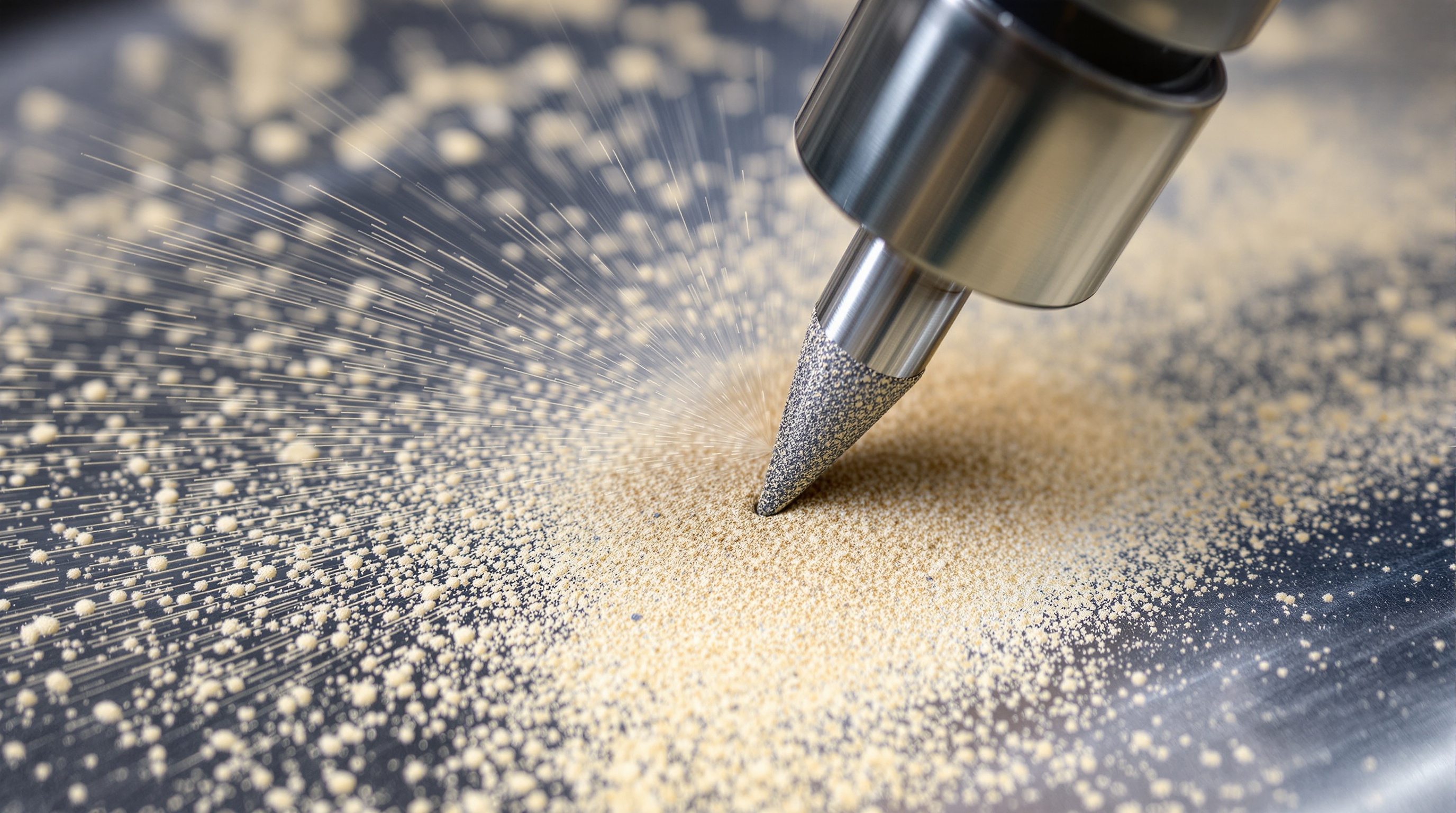
Each aerospace alloy follows a tailored cleaning and profiling sequence. Aluminum, titanium, and steel substrates receive specific blast media and pressure settings to achieve optimal adhesion without removing base material. Masking protects critical threads, bearing surfaces, and mating interfaces identified on engineering drawings.
Controlled Thin-Film Application
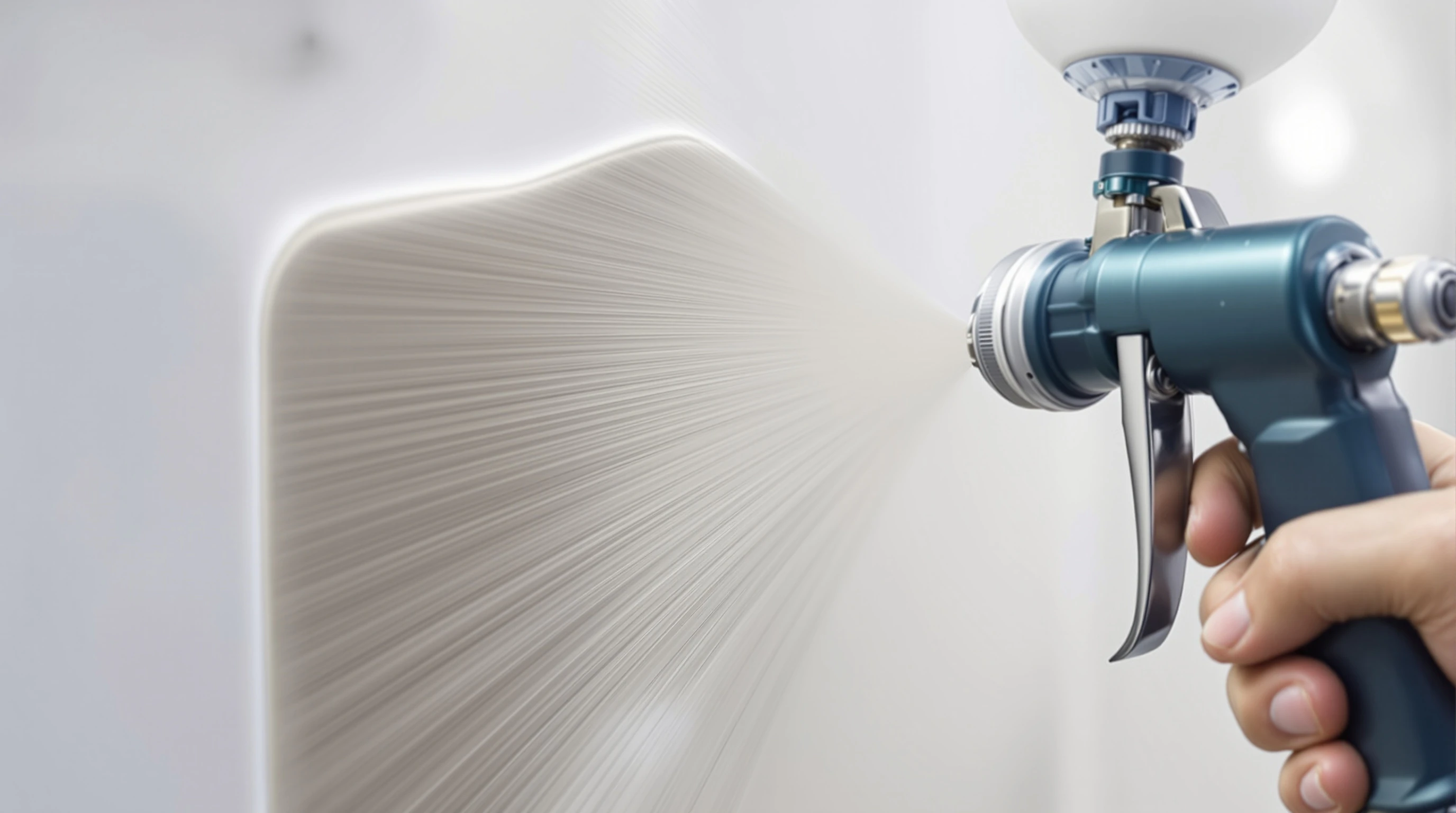
Cerakote is applied via calibrated HVLP equipment targeting the 0.5-2 mil range. In-process DFT measurements confirm thickness at multiple points on each part, ensuring uniform coverage without excess buildup. Application parameters, including air pressure, spray distance, and layer count, are documented for traceability.

Curing, Verification, and Weight Documentation
Parts cure per the prescribed schedule in temperature-monitored ovens. Final inspection verifies coating thickness, adhesion per ASTM D3359, and visual appearance. Pre- and post-coating weight measurements are recorded on the Certificate of Conformance, providing your engineering team with verified weight data for fleet documentation.

Verified Weight Savings for Aerospace
Weight reduction claims are verified through gravimetric analysis and dry film thickness measurement on every production lot. AS9100 documentation captures pre- and post-coating weight, DFT readings, and dimensional data for your airworthiness records.
200-400g savings per part vs powder coating
At 0.5-2 mils versus 3-5 mils, each component carries a fraction of the coating weight while retaining 9H pencil hardness and chip resistance 2-3x superior to powder coating. Across fleet-scale production volumes, the cumulative weight savings reduce fuel burn and increase available payload.
Weight savings vs powder coating

Other services to consider
Explore what else we offer.

Weight Reduction for Oil and Gas Equipment
Thick coatings add mass to equipment transported to remote wellsites and offshore platforms. Cerakote at 0.5-2 mils saves 200-400g per part versus powder coating. ISO 9001 certified.
Weight Reduction for Medical Device Components
Surgical instruments must be light enough for hours of precise use. Cerakote at 0.5-2 mils saves 200-400g per part versus powder coating without compromising protection. ISO 9001 certified.

Weight Reduction for Maritime Equipment
Heavy coatings add mass to marine hardware that affects vessel performance and handling. Cerakote at 0.5-2 mils saves 200-400g per part versus powder coating. ISO 9001 certified.
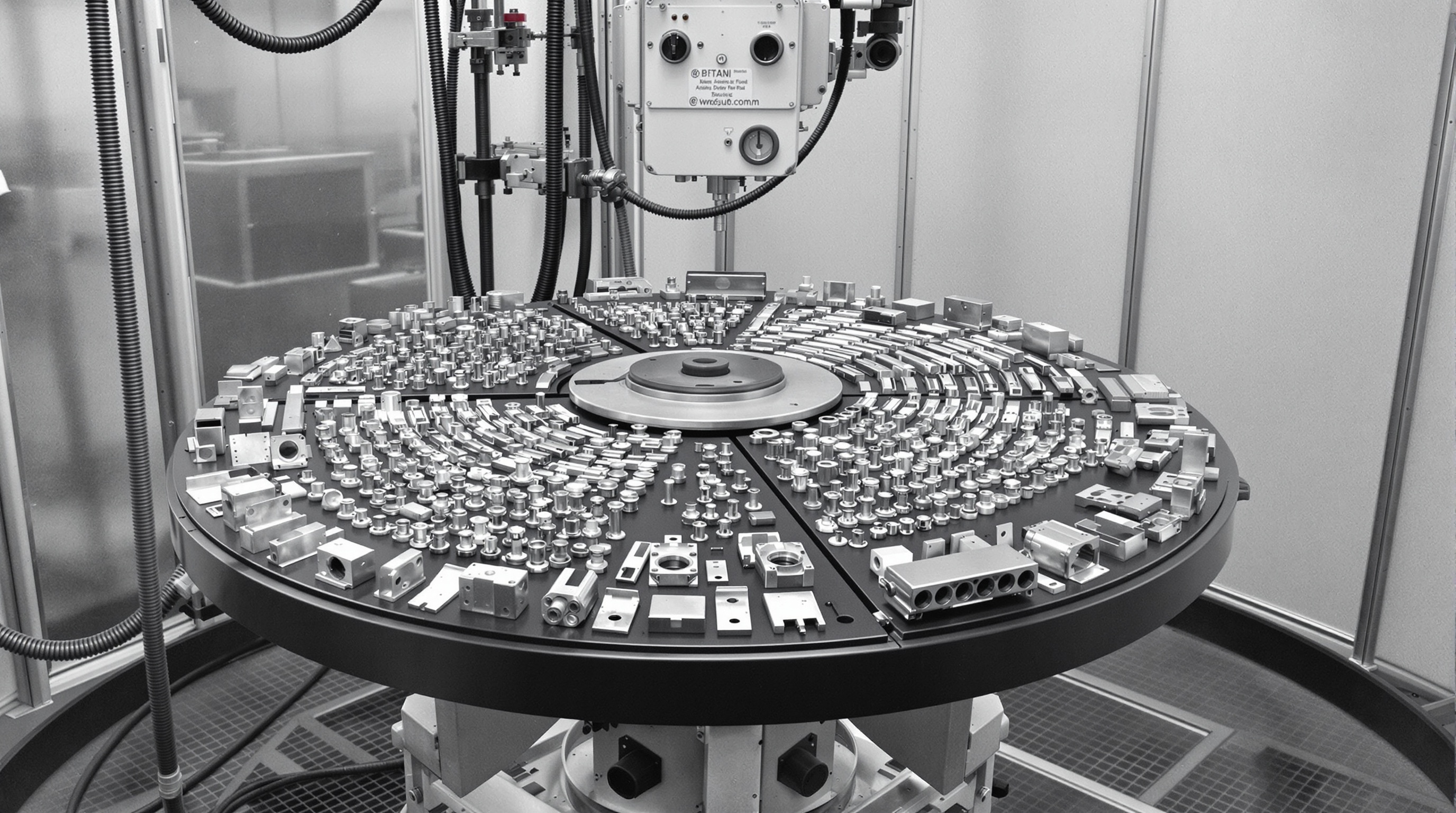
Weight Reduction for Industrial OEM Components
Thick coatings add unnecessary mass to engineered equipment. Cerakote at 0.5-2 mils delivers 200-400g savings per part versus powder coating while preserving tolerances. ISO 9001 certified.
Certified and compliant for your industry

Reduce Your Aerospace Coating Weight
Request a weight analysis for your aerospace parts. We respond within 24 hours with specifications.
Frequently Asked Questions
Find answers about our coating processes and technical capabilities
Yes. Surgical guides printed in SLS PA12 or MJF have the dimensional accuracy surgeons need but lack the surface quality and cleanability required for the operating room. Our post-processing sequence, 40-60 PSI blasting followed by Cerakote at 0.5-2 mils, transforms the rough printed surface into a smooth, sealed, sterilizable guide. The coating adds chemical resistance for cleaning protocols and color options for visual identification, all while preserving the dimensional accuracy the guide was printed to achieve.
We offer over 200 standard Cerakote colors spanning the full spectrum from flat tactical blacks to high-gloss automotive finishes. For proprietary colors, our custom color matching service can replicate Pantone references, RAL numbers, OEM paint codes, or physical samples to within Delta E 1.5. Multi-year production programs receive documented color standards that ensure consistency across reorders.
Cerakote delivers 3,000 hours of salt spray resistance (ASTM B117), which represents continuous salt fog exposure far more aggressive than intermittent marine spray. The coating bonds to steel, aluminum, stainless steel, and bronze substrates common in marine hardware. At 0.5-2 mils thickness, it preserves the fit of deck hardware, hinge pins, and fasteners while providing corrosion protection that outlasts marine paint systems by a wide margin.
Yes. We coat sample panels or test parts so you can evaluate color, finish, and coating performance before committing to a production order. Sample services are particularly valuable for custom color matching, new substrate qualification, and specification validation. This lets you verify the result meets your requirements before we process your production parts. Contact us to discuss your sample program needs.
Metal additive manufactured parts in stainless steel and titanium often have surface porosity that makes them more susceptible to corrosion than wrought equivalents. ColoradoKote's passivation plus Cerakote stack seals this porosity and provides 3,000-hour salt spray protection, qualifying AM parts for corrosive industrial service. This post-processing capability is what makes the difference between AM prototypes and AM production parts.