Weight Reduction for Automotive R&D
Precision Cerakote ceramic coatings for aerospace, defense, and industrial components.
The Weight Problem in Automotive Prototypes
Where coating mass undermines EV performance
The challenge
Harsh environments demand coatings that hold.
The solution
ColoradoKote ceramic coating stops corrosion cold.
Why Cerakote for Automotive Weight Reduction
Thin-film coating built for prototype programs

200-400g savings per prototype part
Cerakote at 0.5-2 mils replaces powder coating at 3-5 mils on EV battery enclosures, suspension components, and body panels. On a large enclosure with 40 square feet of surface area, Cerakote adds 0.8-3.2 oz versus 6-10 oz for powder coating, a 60-70 percent reduction in coating weight per component.
Dimensional accuracy for validation testing
A 1 mil application adds only 0.001 inches per side, preserving the fit and clearance specifications that prototype validation requires. Parts coat to dimension without post-coating modification, ensuring test results reflect production intent rather than coating artifacts.
ISO 9001 quality documentation
Certificate of Conformance includes DFT measurements, weight data, and color verification for every prototype batch. Consistent documentation supports the engineering validation process and provides traceability when prototypes advance to production qualification.
Multi-substrate color consistency
Carbon fiber, aluminum, titanium, steel, and 3D printed parts coated to Delta E of 1 or less across all substrates. One coating partner replaces four to six material-specific vendors. Prototype assemblies arrive with show-car finish and verified weight data from a single source.
Weight Reduction Specs for Automotive R&D
How We Deliver Weight Reduction for Auto R&D
Multi-substrate thin-film application with weight documentation for validation
Multi-Substrate Surface Preparation
Each substrate receives tailored preparation. Carbon fiber gets light scuff sanding and ultrasonic cleaning to preserve fiber structure. Aluminum receives sandblast and conversion coating. 3D printed parts follow material-specific protocols for PA12, metal, or polymer substrates. Masking protects mating surfaces and critical features.

Precision Thin-Film Application
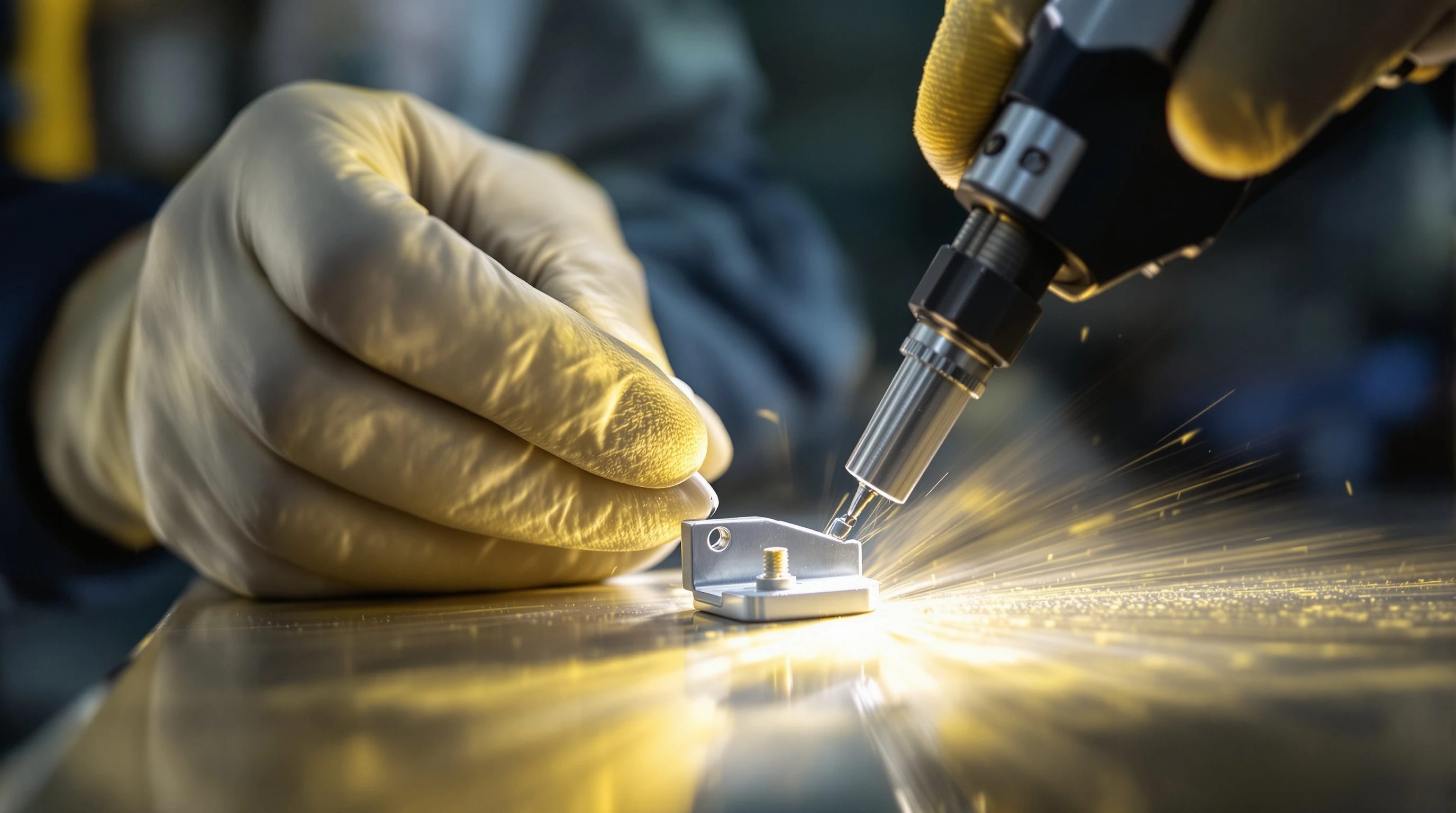
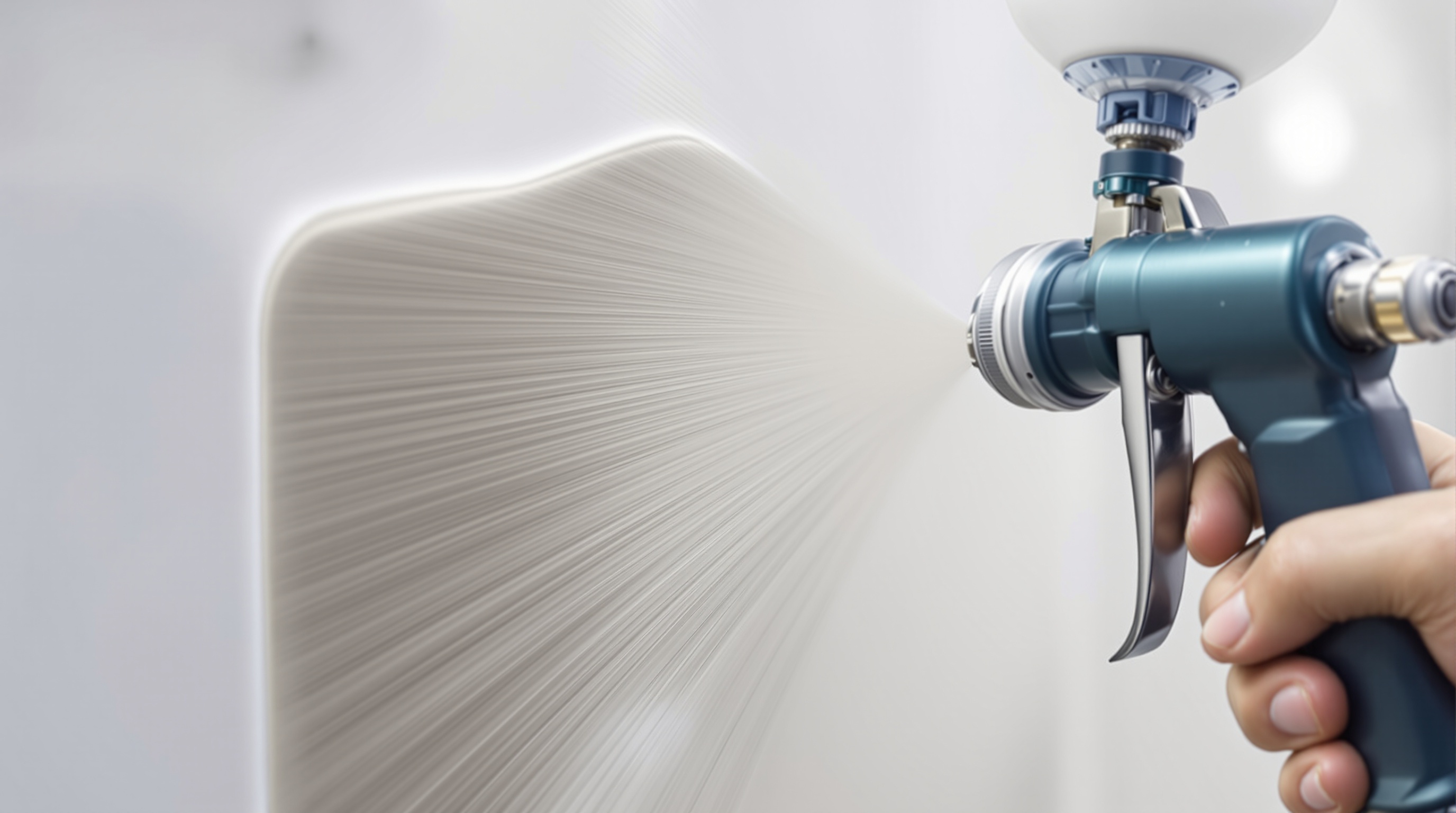
Cerakote is applied via calibrated HVLP equipment at 0.5-2 mil thickness. In-process DFT measurement confirms uniform coverage across mixed-material prototype batches. Color is verified by spectrophotometer to maintain Delta E of 1 or less across all substrates, ensuring carbon fiber panels match aluminum enclosures.
Weight Verification and Prototype Documentation
Pre- and post-coating weight measurements document actual coating mass per part. Dimensional verification confirms fit specifications for validation testing. Certificate of Conformance includes weight data, DFT readings, and color measurements. Expedited turnaround is available for auto show and investor presentation deadlines.

Verified Weight Savings for Auto Prototypes
Weight reduction claims are documented through gravimetric analysis on every prototype batch. Pre- and post-coating measurements provide the mass data that engineering teams need for accurate range projections and performance validation.
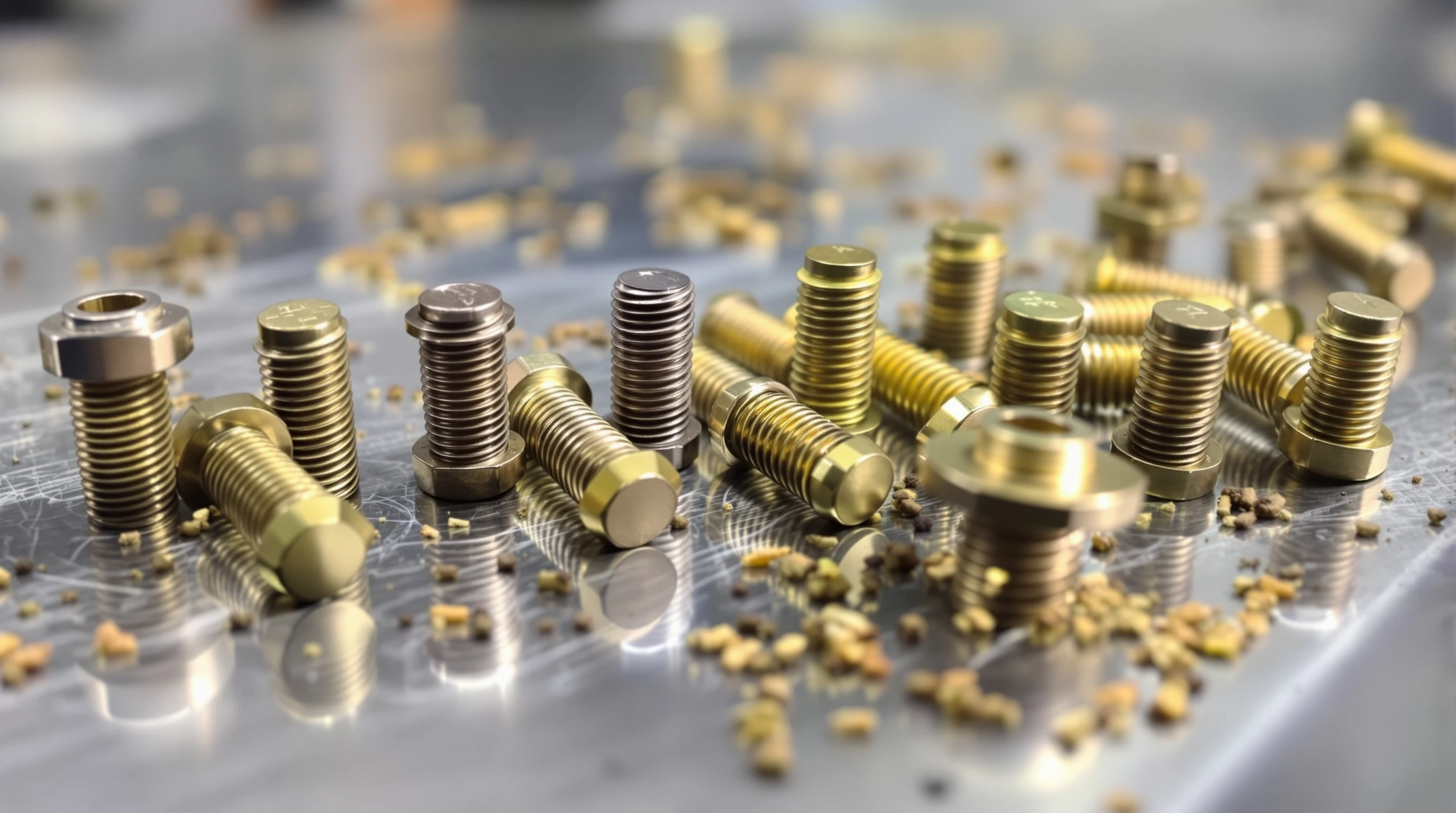
200-400g savings per part vs powder coating
At 0.5-2 mils versus 3-5 mils, each prototype component carries accurate coating weight for validation testing. Across a full vehicle with 200 or more coated parts, thin-film application saves 3-10 lbs of total coating weight, directly improving range estimates and performance data for production decisions.
Weight savings vs powder coating
Other services to consider
Explore what else we offer.

Weight Reduction for Oil and Gas Equipment
Thick coatings add mass to equipment transported to remote wellsites and offshore platforms. Cerakote at 0.5-2 mils saves 200-400g per part versus powder coating. ISO 9001 certified.

Weight Reduction for Medical Device Components
Surgical instruments must be light enough for hours of precise use. Cerakote at 0.5-2 mils saves 200-400g per part versus powder coating without compromising protection. ISO 9001 certified.

Weight Reduction for Maritime Equipment
Heavy coatings add mass to marine hardware that affects vessel performance and handling. Cerakote at 0.5-2 mils saves 200-400g per part versus powder coating. ISO 9001 certified.
Weight Reduction for Industrial OEM Components
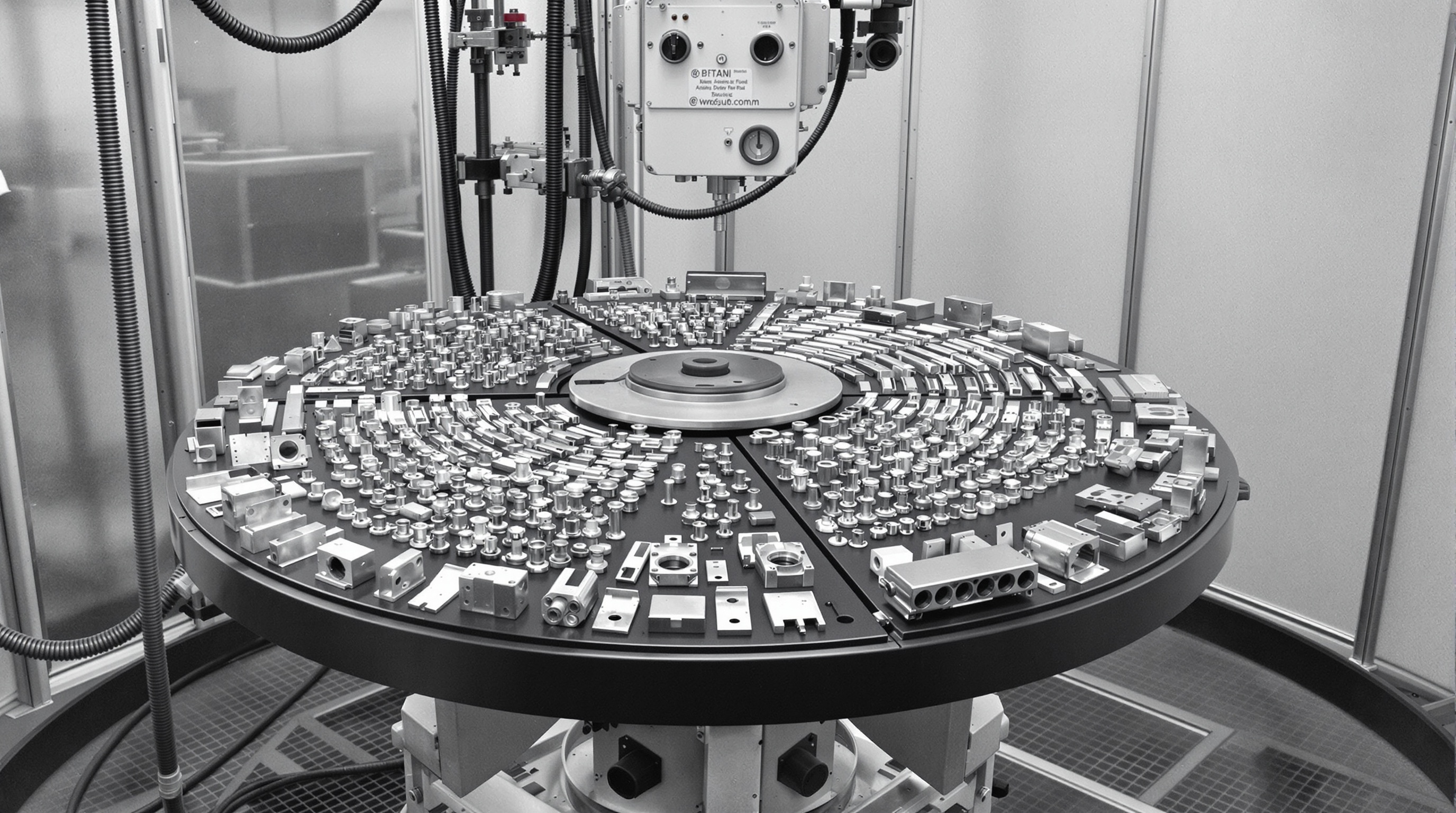
Thick coatings add unnecessary mass to engineered equipment. Cerakote at 0.5-2 mils delivers 200-400g savings per part versus powder coating while preserving tolerances. ISO 9001 certified.
Certified and compliant for your industry

Lighten Your Prototype Coating
Submit an RFP with your prototype specs. We respond within 24 hours with weight analysis.
Frequently Asked Questions
Find answers about our coating processes and technical capabilities
Hard anodizing provides good abrasion resistance but adds 1-3 mils of buildup and is limited to a narrow color range. The chemical conversion plus Cerakote stack delivers comparable or superior wear resistance at just 0.5-2 mils, with 3,000 hours of salt spray protection (ASTM B117) and hundreds of color options with Delta E 1.5 consistency. For parts needing both wear performance and aesthetic flexibility, the chem conversion plus Cerakote approach is the stronger system.
We process aluminum parts to MIL-DTL-5541 Type I (chromate) and Type II (non-chromate) chemical conversion coating specifications. Type I delivers 168-240+ hours of salt spray resistance per ASTM B117, while Type II provides 96-168+ hours. Our conversion coatings are spec-proven for multiple manufacturers and backed by over 20,000 parts processed with zero quality issues.
Yes. Ultrasonic cleaning, sandblasting, custom color matching, Cerakote application, and polymer coating are all performed in our Johnstown, Colorado facility under a single AS9100 quality system. This single-source approach means your parts never leave our controlled environment between process steps. One purchase order, one quality system, one Certificate of Conformance covering the complete finishing process. This eliminates the shipping damage, contamination, and documentation gaps inherent in multi-vendor supply chains.
Aerospace components are blasted to SSPC-SP 10 near-white cleanliness at 80-100 PSI using media selected for the specific alloy. Aluminum, titanium, stainless steel, and Inconel each receive tailored blast parameters to achieve optimal 2-4 mil anchor profile without hydrogen embrittlement risk or surface damage. The entire process is documented per AS9100 with traceable media certifications, pressure readings, and before/after surface condition records.
Medical devices require thorough removal of machining fluids, particulate debris, and handling contamination before coating application. Ultrasonic cavitation reaches contaminants in the complex geometries typical of medical instruments and devices, including lumens, articulating joints, and textured surfaces. Cleaning solution is selected for biocompatibility and substrate compatibility. Verification confirms surfaces are clean to the standard required for the device classification and intended use.